What Data Can Be Scraped from Travel Websites? Types of Travel Data Explained
Answer
Travel websites can provide structured datasets such as flight information, hotel pricing, customer reviews, booking itineraries, rental car availability, and seasonal demand trends. These datasets are commonly used for pricing optimization, market research, and travel analytics across the tourism industry.
Detailed Explanation
Travel platforms aggregate highly dynamic and competitive data because pricing and availability change in real time. Airlines, hotels, and car rental providers continuously update inventory based on demand, seasonality, and user behavior. When scraped, this data reflects not only static listings but also live market conditions, making it valuable for revenue management systems and predictive analytics.
Typical travel scraping targets include flight routes, fare classes, seat availability, hotel room types, nightly rates, guest ratings, cancellation policies, and promotional offers. In addition, many platforms expose structured review data that captures customer sentiment, helping businesses evaluate service quality and competitor positioning.
Because travel platforms often use security management systems and dynamic pricing algorithms, collecting accurate data requires handling JavaScript-rendered pages, rotating sessions, and managing bot detection challenges such as fingerprinting and request throttling.
Solutions / Methods
- Flight data extraction: Scrape flight schedules, pricing tiers, and seat availability across airlines and OTAs to monitor fare fluctuations and build comparison engines for users or analytics dashboards.
- Hotel and rental intelligence: Extract room pricing, occupancy trends, amenities, and cancellation policies to support dynamic pricing models and competitor benchmarking in hospitality markets.
- Automated scraping with security challenge handling: Use structured scraping pipelines combined with proxy rotation and CAPTCHA-solving services such as CapSolver to maintain access to protected travel platforms and ensure uninterrupted data collection at scale.
Best Practice / Tips
To ensure high-quality travel datasets, always normalize pricing formats, remove duplicates, and validate availability across multiple sources. It is also recommended to simulate real user behavior during collection and account for geo-based pricing differences, as travel platforms frequently adjust results based on location and session history.
👉 Related:
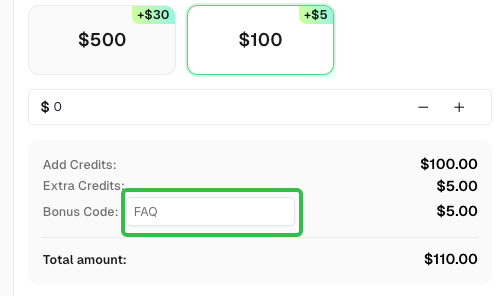
Use code
FAQwhen signing up at CapSolver to receive an additional 5% bonus on your recharge.
CapSolver FAQ — capsolver.com