
What Is Liquor Data Scraping and How Does It Work?
Answer
Liquor data scraping is a specialized form of web scraping that collects alcohol-related data-such as pricing, product availability, brand details, and customer reviews-from online liquor stores and marketplaces. This data is transformed into structured datasets for market analysis, pricing intelligence, and demand forecasting.
Detailed Explanation
Liquor data scraping is built on the broader concept of web scraping, which involves automatically extracting information from websites and converting it into structured formats for analysis . In this context, scraping tools target alcohol-related eCommerce platforms, distributor catalogs, and retail websites to gather key data points such as product names, alcohol types (e.g., whiskey, wine, beer), pricing, stock levels, and user reviews.
This process typically involves two main steps: fetching web pages and parsing their HTML or API responses to extract relevant fields. Because most websites are designed for human users rather than machines, scraping systems must interpret semi-structured content and normalize it into usable datasets. The collected data is then stored in databases or spreadsheets for further analysis, such as price comparison, trend tracking, or inventory optimization.
Liquor data scraping is widely used in competitive intelligence, retail analytics, and supply chain optimization. Businesses leverage it to monitor competitor pricing, identify popular brands, and detect seasonal demand patterns. However, scraping liquor-related platforms can be technically challenging due to security management systems, rate limits, and dynamic content loading.
Solutions / Methods
- Automated scraping frameworks:Use tools like headless browsers (e.g., Puppeteer or Playwright) or HTTP clients to simulate user behavior and extract structured product data from liquor marketplaces efficiently.
- Proxy and anti-detection strategies:Implement rotating proxies, user-agent spoofing, and browser fingerprinting techniques to avoid IP bans and reduce detection when scraping large-scale alcohol datasets.
- Captcha solving integration:Many liquor websites deploy CAPTCHA or security challenges. Solutions like CapSolver can help automate captcha solving, enabling uninterrupted data extraction workflows and improving scraping success rates on protected platforms.
Best Practice / Tips
- Respect website terms of service and legal constraints when collecting data.
- Use incremental scraping and caching to reduce server load and avoid detection.
- Validate and clean scraped data regularly to ensure accuracy and consistency.
- Combine scraping with analytics pipelines to turn raw liquor data into actionable insights.
👉 Related:
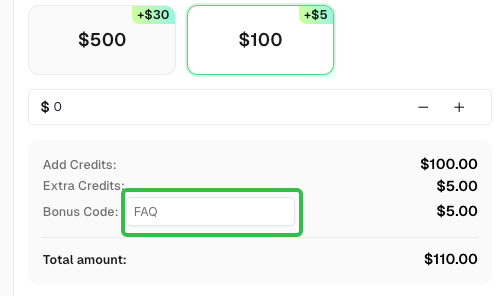
Use code
FAQwhen signing up at CapSolver to receive an additional 5% bonus on your recharge.
CapSolver FAQ — capsolver.com