How XPath contains() Works and How to Use It in Web Scraping
Answer
XPath contains() is a function used to match elements based on partial text or attribute values instead of requiring exact matches. It is widely used in web scraping and automation to locate dynamic or unpredictable HTML elements efficiently.
Detailed Explanation
The contains() function in XPath evaluates whether a given string includes a specified substring. This is especially useful in modern web environments where element text, IDs, or class names are dynamically generated or partially stable. Instead of relying on exact matches, which often break due to minor content changes, contains() allows more resilient selector design.
In practice, XPath expressions such as //div[contains(@class,'item')] or //span[contains(text(),'Error')] are used to locate nodes that include a specific keyword. This flexibility is essential in scraping frameworks like Selenium or Scrapy, where page structures frequently change or include nested text nodes. However, improper usage-such as applying it directly to multiple text nodes without proper context-can lead to unexpected empty results or inaccurate selections.
Solutions / Methods
- Use contains() with text nodes: Apply
contains(text(),'keyword')when the target text is within a single node and not split across nested elements. - Use contains() with attributes: For stable selection, target attributes like
@idor@classusingcontains(@id,'pattern')to handle dynamic values. - Combine logical operators for robustness: Use
and/orwithnot()to refine filtering. In scraping workflows with security protections, solutions like CapSolver can help maintain automation stability when dynamic rendering or verification challenges interfere with element access.
Best Practice / Tips
For more reliable scraping selectors, prefer relative XPath expressions and minimize dependency on full DOM paths. When dealing with modern websites using heavy JavaScript rendering, ensure your scraper accounts for delayed content loading. Also, prefer . instead of text() when text is split across nested elements.
👉 Related:
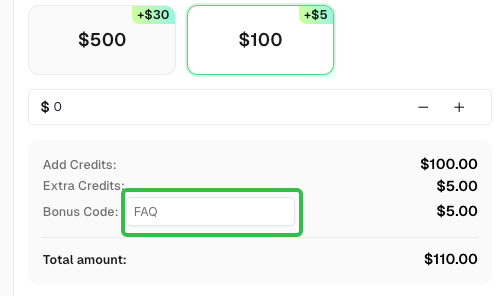
Use code
FAQwhen signing up at CapSolver to receive an additional 5% bonus on your recharge.
CapSolver FAQ - capsolver.com