🎉NEWCapSolver for AI agents-MCP, agent tools, and SDK integrations

Sora Fujimoto
AI Solutions Architect
Published Jan 20, 2026
Updated Jan 20, 2026 · min read
Data extraction is the backbone of modern business intelligence and AI development. In 2026, the ability to convert vast amounts of unstructured information into actionable insights is a competitive necessity. Companies now require tools that can handle dynamic web structures and complex document formats without constant manual oversight. This guide provides a comprehensive comparison of the best data extraction tools available this year. We focus on scalability, AI integration, and ease of use to help you choose the right solution for your specific needs. Whether you are building a RAG system or conducting market research, these platforms offer the reliability required for high-stakes data operations. Our analysis covers the most efficient ways to gather information while maintaining high data quality standards.
Data is the fuel for the current AI revolution. Most organizations now prioritize high-quality datasets to fine-tune their machine learning models. Traditional manual data entry is too slow and prone to errors for today's fast-paced market. Automated tools allow teams to gather information from thousands of sources simultaneously. This efficiency is vital for real-time price monitoring, sentiment analysis, and competitive tracking. The best data extraction tools 2026 are those that can adapt to the changing digital landscape with minimal human intervention.
The shift toward AI-powered workflows has changed what we look for in extraction software. We no longer just need raw text; we need structured, cleaned, and validated data. Modern tools now incorporate large language models to understand context and extract specific entities with high precision. This evolution ensures that the data you collect is immediately ready for analysis or storage in a vector database. Finding the best data extraction tools means looking for solutions that bridge the gap between raw web content and structured intelligence.
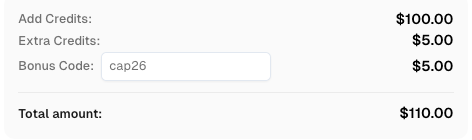
Use code
CAP26when signing up at CapSolver to receive bonus credits!
| Tool | Primary Use Case | Key Strength | Pricing Model |
|---|---|---|---|
| Octoparse | No-Code Web Scraping | Visual point-and-click interface | Freemium / Subscription |
| Airbyte | Data Integration (ETL) | 600+ pre-built connectors | Usage-based |
| Firecrawl | AI-Ready Web Data | Optimized for LLM and RAG | Subscription |
| ScraperAPI | Developer-First Scraping | Simple API for complex web pages | Monthly Plans |
| Nanonets | Document Extraction | AI-driven OCR for invoices/forms | Per-page pricing |
| Apify | Web Automation | Flexible "Actors" for any site | Credit-based |
| Fivetran | Enterprise ELT | Fully managed, automated pipelines | Volume-based |
| Octoparse | No-Code Scraping | Visual drag-and-drop interface | Freemium |
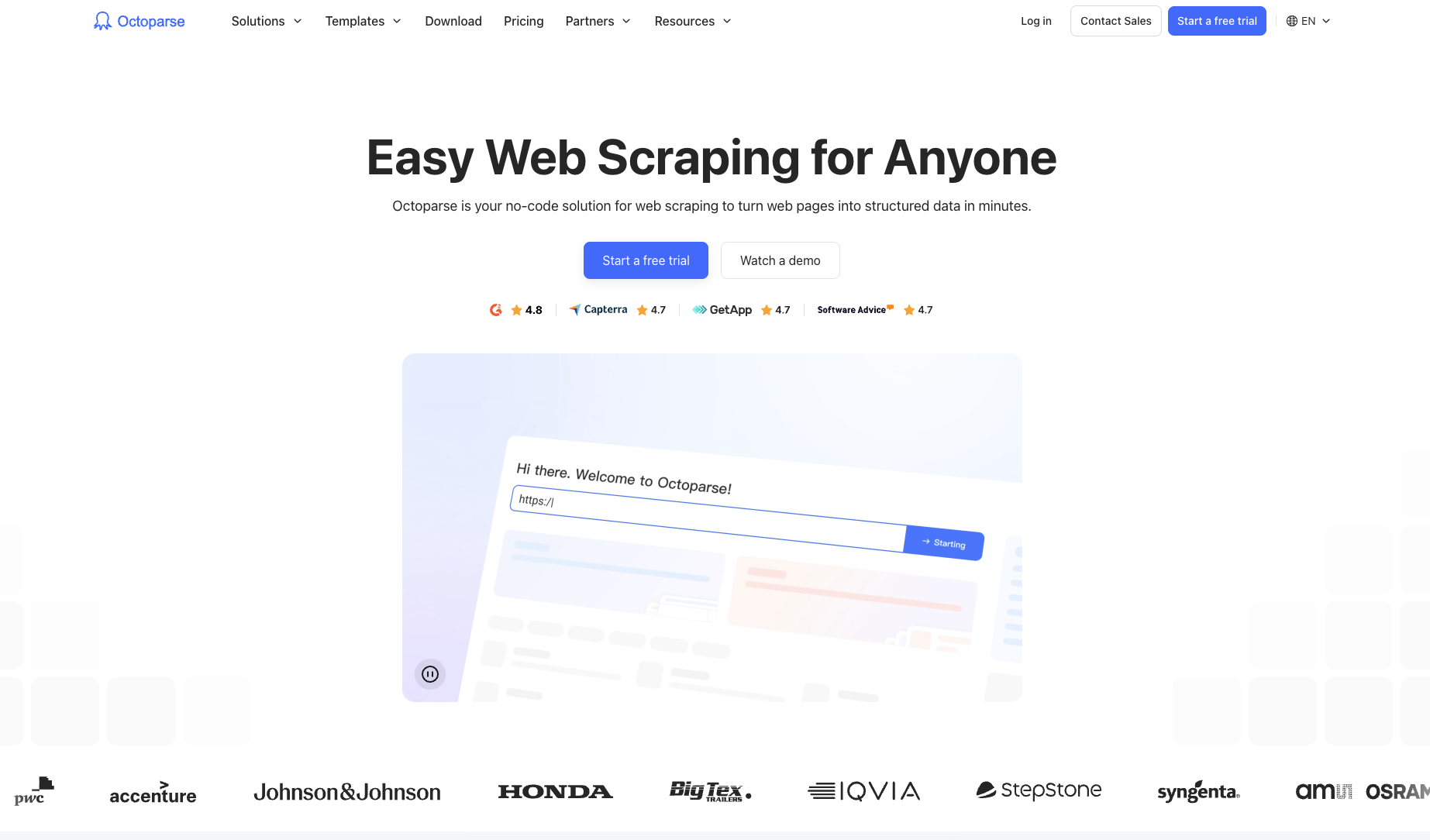
Octoparse has established itself as the premier choice for users who need professional-grade web scraping without writing a single line of code. Its intuitive visual interface allows you to point and click on web elements to define extraction rules. In 2026, Octoparse has integrated advanced AI auto-detection features that can identify lists, tables, and pagination automatically. This makes it one of the best data extraction Tools for researchers, marketers, and small business owners who need quick results.
The platform offers both a desktop application and a robust cloud service. The cloud service allows you to schedule extraction tasks to run 24/7, ensuring you always have the most up-to-date information. Octoparse also handles complex web features like infinite scrolling, AJAX, and login authentication with ease. For teams looking for a balance between power and simplicity, Octoparse is consistently ranked among the best data extraction Tools in the market. Its ability to export data directly to databases or via API makes it a versatile addition to any data stack.
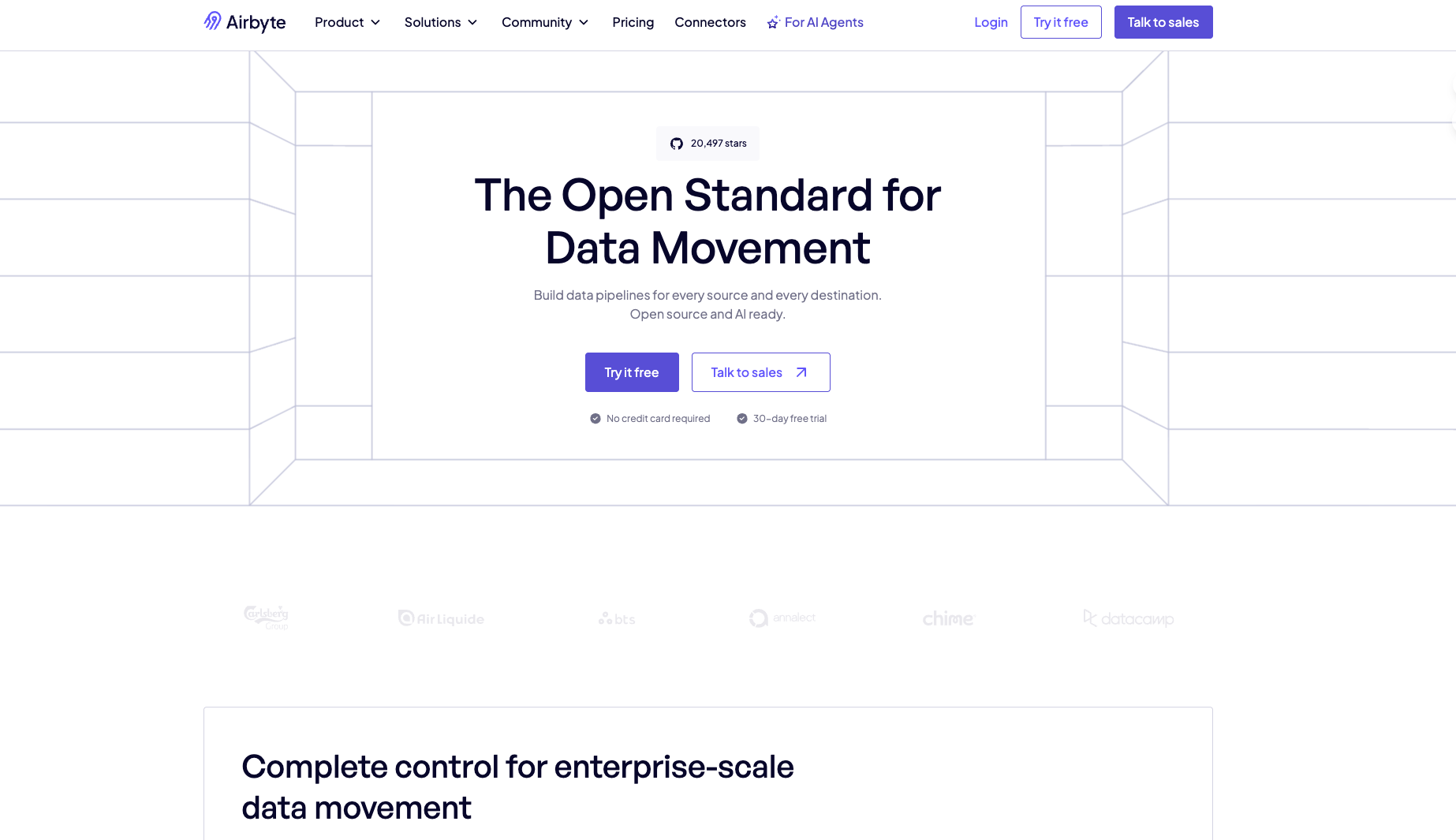
Airbyte has revolutionized the ETL space by offering an open-source alternative to traditional integration tools. It excels at moving data from various sources into data warehouses like Snowflake or BigQuery. With over 600 connectors, it supports almost any database or SaaS application you might use. It is a Top Data Extraction Tools choice for engineering teams who value flexibility and control.
In 2026, Airbyte's focus on AI-assisted connector building has made it even more accessible. Their "Connector Builder" uses AI to help users create new integrations in minutes. This reduces the reliance on specialized data engineers and speeds up the data pipeline setup. For teams looking for a scalable and transparent integration solution, Airbyte is a top contender. You can learn more about building automated systems in this guide on what is a scraping bot and how to build one.
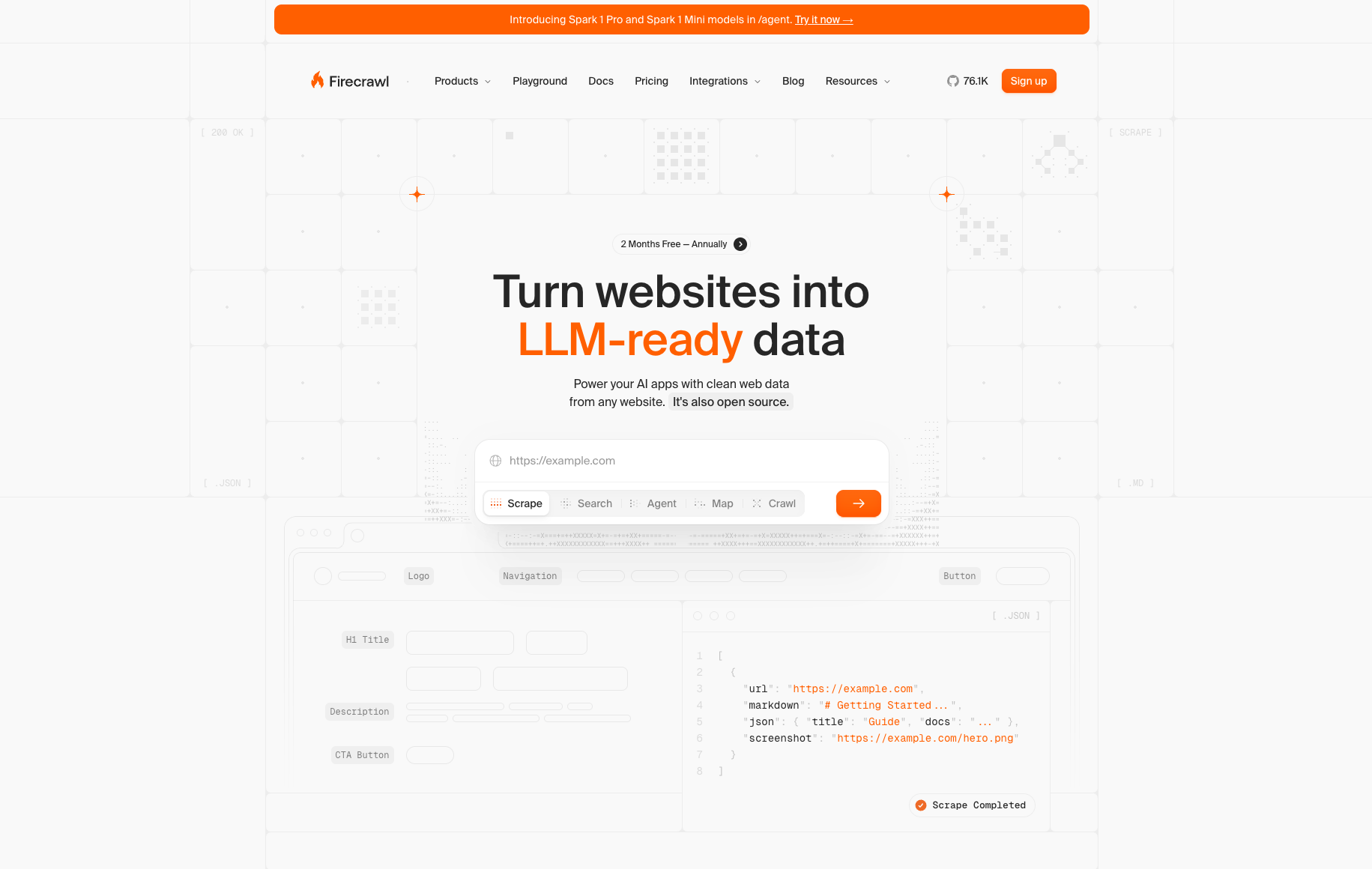
Firecrawl is a newer entrant that has quickly become a favorite for AI developers. It is specifically designed to turn entire websites into clean Markdown or JSON. This format is ideal for feeding into LLMs or building Retrieval-Augmented Generation (RAG) systems. Unlike traditional scrapers, Firecrawl handles the complexities of web crawling and content cleaning automatically. It is among the Best Data Extraction Tools 2026 for those focused on the AI ecosystem.
The tool is highly optimized for speed and accuracy. It can navigate through complex site structures to find the most relevant information. This makes it an essential part of the modern AI stack. If you are working on a project that requires fresh web data for an AI agent, Firecrawl is a highly recommended choice. It fits perfectly alongside other best AI scraping tools used in the industry today.
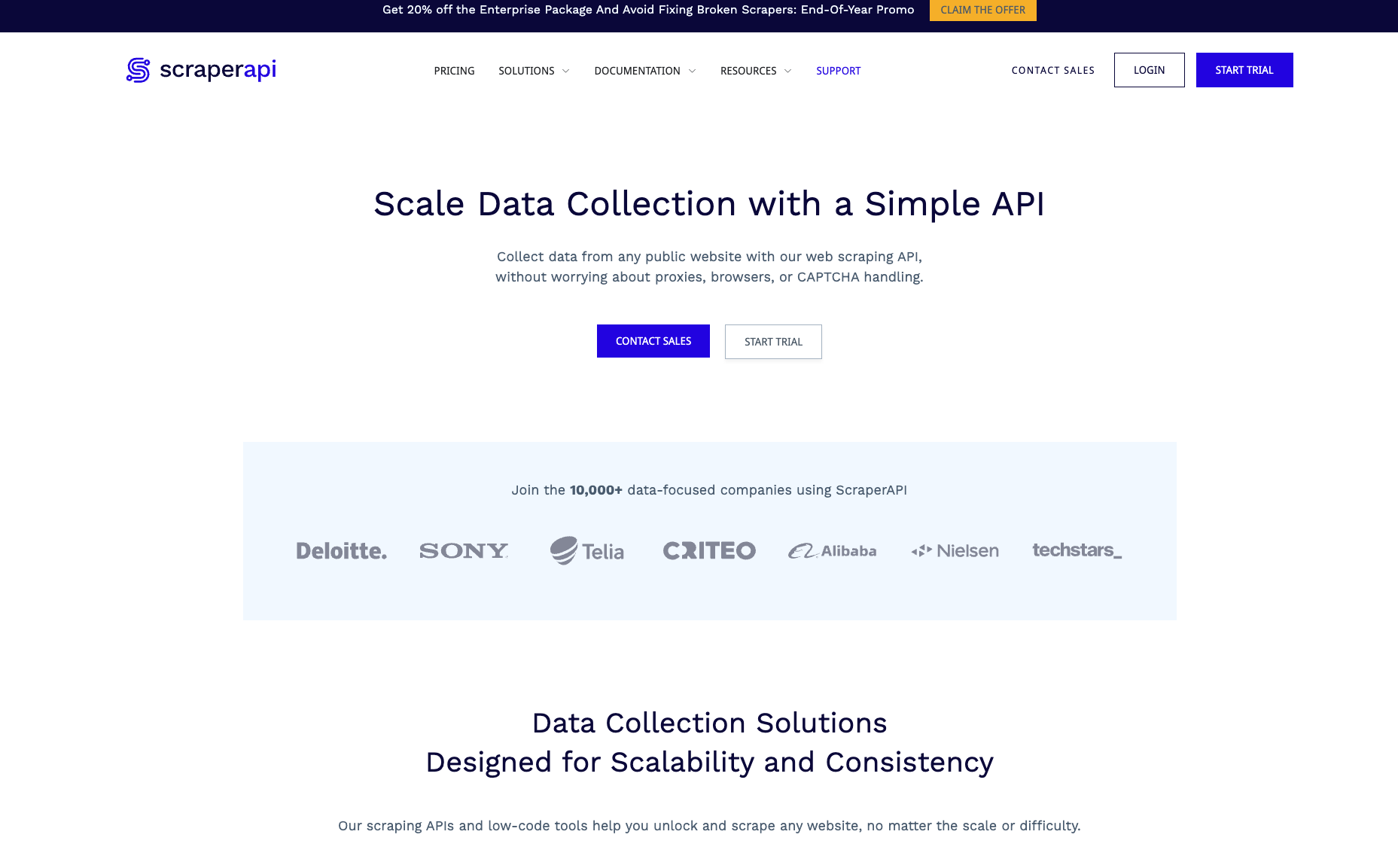
ScraperAPI provides a simple yet effective way for developers to extract data from the web. It handles proxies, browsers, and CAPTCHAs with a single API call. This allows you to focus on the data itself rather than the technical hurdles of web scraping. It is particularly good at rendering JavaScript-heavy sites that traditional libraries might struggle with. Many developers rank it as one of the best data extraction Tools for its ease of integration.
The service is built for scale, supporting millions of requests per day. It offers various customization options, such as custom headers and geographic targeting. This flexibility is why it remains a staple in the developer community. For those using Python, it integrates seamlessly with the top python web scraping libraries to enhance your data collection workflows. The reliability of their API ensures that your data pipelines remain stable even as websites change.
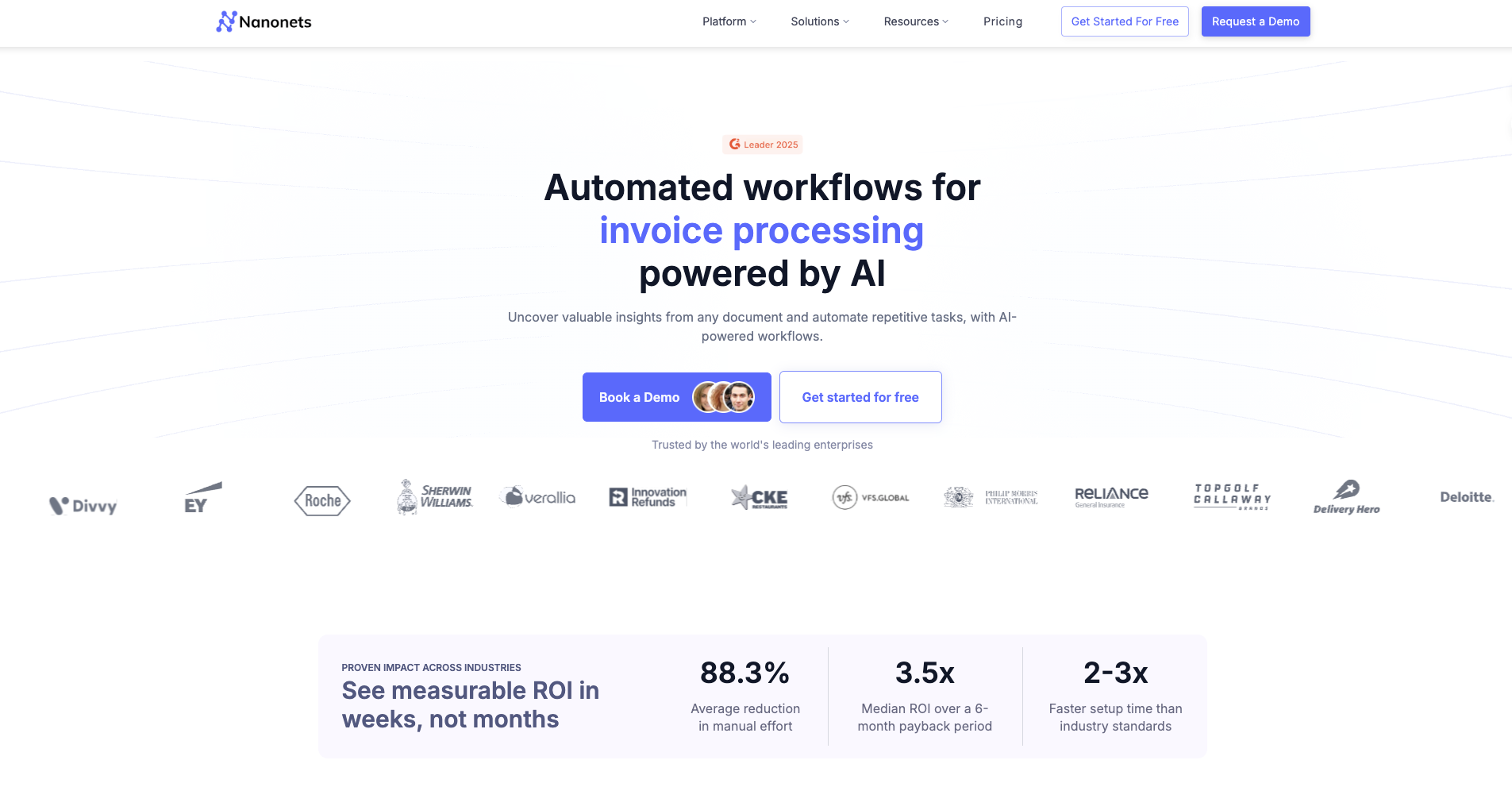
Nanonets is the leader in AI-powered document data extraction. It uses advanced OCR technology to extract structured data from PDFs, images, and handwritten notes. This is incredibly useful for automating accounts payable, processing insurance claims, or managing legal documents. The platform learns from your corrections, becoming more accurate over time. It is one of the Best Data Extraction Tools for handling unstructured physical and digital documents.
The setup process is straightforward, requiring no coding knowledge. You simply upload your documents, and the AI identifies the relevant fields. Nanonets also offers pre-trained models for common document types like invoices and receipts. This "plug-and-play" approach saves businesses hundreds of hours of manual data entry every month. It is a perfect example of how AI is transforming the data extraction landscape.
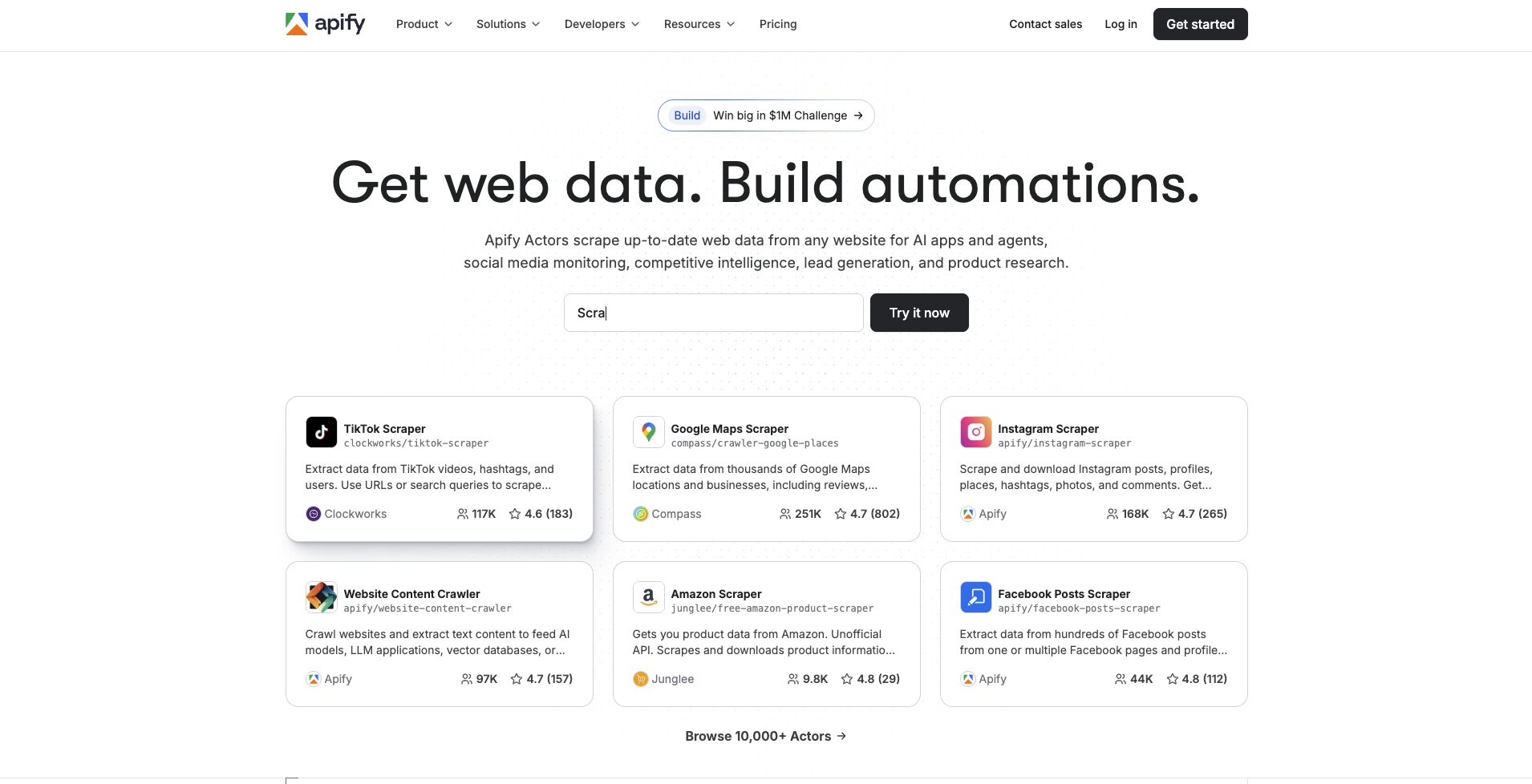
Apify is a cloud-based platform that allows you to automate any task you can perform in a web browser. It features a marketplace of "Actors"—pre-built scraping and automation tools for popular websites. You can also build your own custom Actors using JavaScript or Python. This flexibility makes it one of the Top Data Extraction Tools for complex web automation projects.
The platform provides built-in support for proxy rotation and browser fingerprinting. This ensures that your automation tasks run smoothly without being blocked. Apify's integration with other cloud services makes it easy to build end-to-end data workflows. Whether you need to scrape social media or monitor e-commerce prices, Apify offers the tools to get the job done efficiently. You can explore more about web automation in this review of the best 7 AI agents tools for web automation.
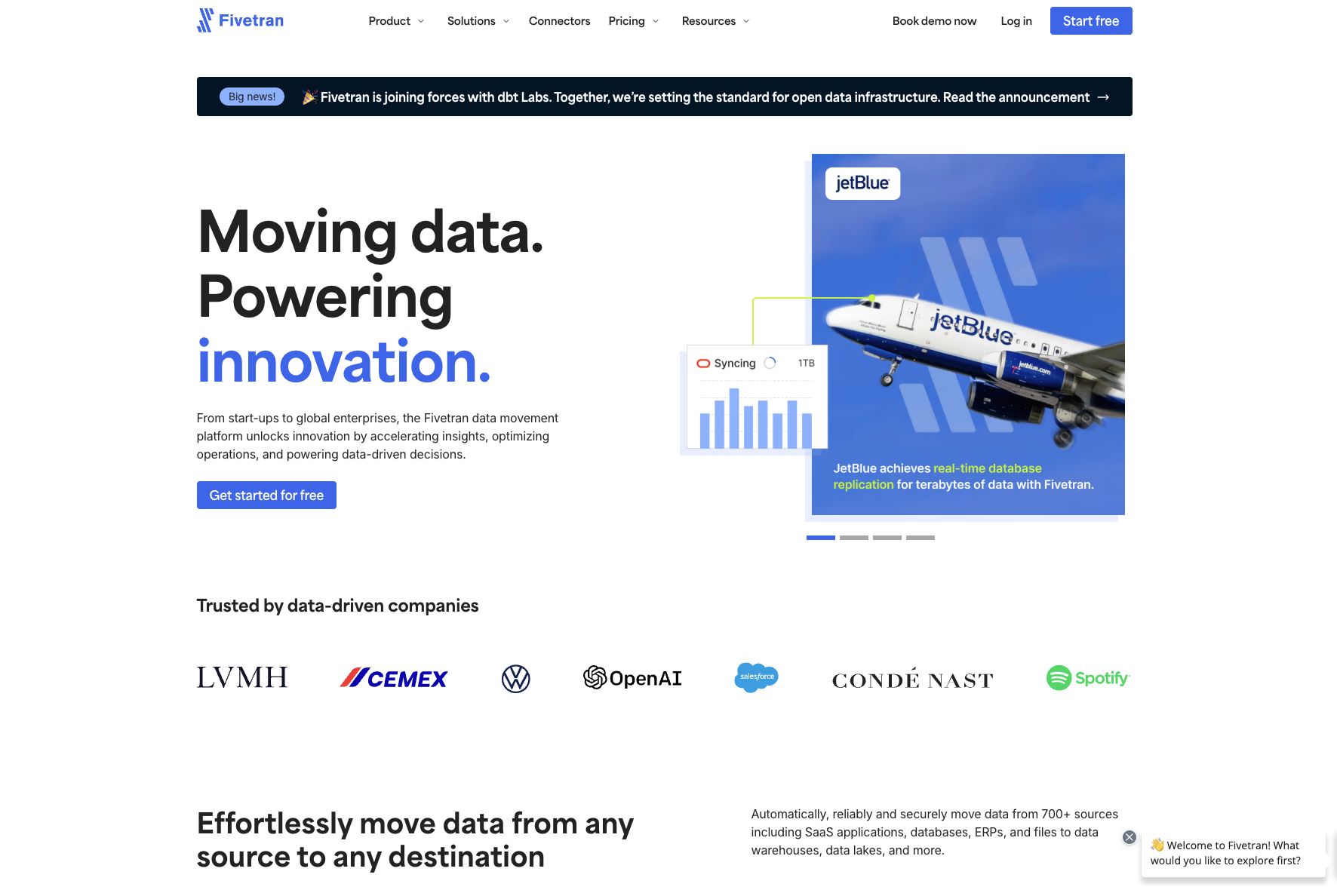
Fivetran is a fully managed data integration service that focuses on reliability and ease of use. It automatically adapts to schema changes in your source applications, ensuring that your data warehouse is always up to date. This "set it and forget it" approach is ideal for busy data teams who need to focus on analysis rather than maintenance. It is consistently rated as one of the Best Data Extraction Tools for enterprise-level data movement.
The platform supports a wide range of connectors, from popular SaaS apps to legacy databases. Fivetran's security features are top-notch, making it a safe choice for handling sensitive business data. While it may be more expensive than some open-source alternatives, the time saved on engineering more than justifies the cost for many organizations. It is a cornerstone of the modern data stack for many Fortune 500 companies.
Selecting the right software depends on your specific data source and technical expertise. If your primary goal is to collect information from websites, a dedicated web scraping platform like Bright Data or ScraperAPI is best. These tools are built to handle the unique challenges of the web. For internal data movement between apps and databases, an ETL tool like Airbyte or Fivetran is more appropriate. Evaluating the Best Data Extraction Tools requires a clear understanding of your data's origin and destination.
Consider the output format you need for your project. AI-focused tasks often require Markdown or structured JSON, which tools like Firecrawl provide out of the box. On the other hand, business reporting might require CSV or direct database integration. Always evaluate the scalability of a tool to ensure it can grow with your data needs. The best data extraction Tools 2026 are those that offer the most flexibility in how data is delivered.
Modern data extraction tools must offer more than just basic scraping. Look for platforms that provide built-in data validation to ensure accuracy. AI-powered parsing is another essential feature, as it allows the tool to adapt to layout changes without breaking. Reliability is also paramount; the tool should have a high success rate even when facing complex web security measures. The Best Data Extraction Tools are those that prioritize data integrity above all else.
Integration capabilities are equally important. Your chosen tool should easily connect with your existing data stack, whether it's a cloud warehouse or an AI orchestration framework. Many top platforms now follow IBM Information Extraction Standards that follow industry best practices. Additionally, ensure the provider complies with data privacy regulations like GDPR to protect your organization. You can find more information on industry standards through Talend Data Extraction Insights. Another great resource for technical details is Amazon Textract Guide.
The industry is moving toward fully autonomous data collection. In the near future, we expect to see AI agents that can navigate the web just like humans. These agents will be able to reason about the content they find and make decisions on what to extract. This will eliminate the need for writing specific scraping rules for every new site. The Best Data Extraction Tools 2026 are already showing signs of this autonomous future.
We are also seeing a rise in the use of AI in modern data extraction to handle multi-modal data. This means tools will be able to extract information from text, images, and video simultaneously. This holistic approach will provide a much deeper understanding of the data landscape. Staying updated on these trends is crucial for any data-driven organization. You can find more insights on these shifts by looking at best alternative data providers in the market. The best data extraction Tools will continue to evolve, making data more accessible than ever before.
The landscape of data extraction is evolving rapidly, driven by advancements in artificial intelligence. Choosing the right tool from this list of the best data extraction Tools will significantly impact your project's success. Whether you need the massive scale of Bright Data or the AI-readiness of Firecrawl, there is a solution tailored to your needs. Start by identifying your core requirements and testing a few options to see which fits your workflow best. As we move through 2026, staying adaptable and leveraging these powerful technologies will be the key to staying ahead. The best data extraction Tools 2026 are here to help you turn raw information into a strategic advantage.
Web scraping is a specific type of data extraction focused on gathering information from websites. Data extraction is a broader term that includes collecting data from various sources like databases, PDFs, and emails.
Most data extraction tools are legal as long as you comply with the source's terms of service and data privacy laws like GDPR. Always ensure you are extracting publicly available data and not violating any copyrights.
Many modern platforms like Nanonets and Bright Data offer no-code or low-code options. However, some developer-focused tools like ScraperAPI or Airbyte's open-source version may require some technical knowledge for advanced configurations.
Pricing varies widely based on usage and features. Some tools offer pay-as-you-go models starting at a few dollars, while enterprise-grade solutions can cost hundreds or thousands per month. Most providers offer a free trial to help you evaluate their service.
Yes, many top-tier data extraction tools have built-in mechanisms to handle common web challenges. This ensures a higher success rate and more reliable data collection for your automated workflows.In addition to this, CapSolver helps the data extracting process to be free from CAPTCHA interference
Sora Fujimoto
AI Solutions Architect
Connecting agents, browsers, and APIs into one workflow.
ABOUT THE AUTHOR
Discover how AI agents transform web scraping and competitive intelligence. Learn about automated data collection, anti-bot challenges, and CAPTCHA solutions for scalable workflows.
Discover the key differences between AI agent vs chatbot. Learn how agentic AI outperforms traditional AI in automation, decision-making, and complex workflows.