How to Select Sibling Elements in XPath (preceding-sibling & following-sibling)
Answer
To select sibling elements in XPath, use the preceding-sibling and following-sibling axes. These allow you to navigate horizontally within the DOM, selecting elements that share the same parent before or after a reference node, enabling precise data extraction in structured or semi-structured HTML.
Detailed Explanation
XPath provides multiple navigation axes to traverse the DOM, and sibling selection is one of the most useful techniques in web scraping and automation workflows. Sibling elements are nodes that share the same parent in the document structure, making them especially relevant when target elements lack unique identifiers or attributes.
The following-sibling:: axis selects all nodes that appear after the current node at the same hierarchy level, while preceding-sibling:: selects those that appear before it. For example, //label[text()='Email']/following-sibling::input can locate an input field associated with a label.
You can refine these queries by adding filters, indexing, or conditions. For instance, following-sibling::*[1] selects only the immediate next sibling, while combining conditions like [preceding-sibling::h2 and following-sibling::h2] allows you to isolate elements between specific markers.
This technique is widely used in scraping dynamic pages, extracting structured blocks (e.g., product specs, tables), and navigating layouts where elements are context-dependent rather than uniquely identifiable.
Solutions / Methods
- Use directional sibling axes:Apply
preceding-sibling::tagorfollowing-sibling::tagto navigate relative to a known element. This is effective when elements are grouped but lack unique attributes. - Combine with conditions and indexing:Use predicates like
[1],[last()], or attribute filters to narrow results. For example,//div/following-sibling::p[1]selects the first paragraph after a div. - Handle security management protected pages:When extracting sibling-based data from protected websites, automation may trigger CAPTCHA challenges. Solutions like CapSolver can help solve captcha interruptions, ensuring XPath-based scraping workflows continue reliably without manual intervention.
Best Practice / Tips
- Prefer relative XPath expressions over absolute paths for better resilience against DOM changes.
- Use wildcard selectors (
*) when element types vary but structure remains consistent. - Combine sibling axes with parent or ancestor navigation for complex layouts.
- Test XPath queries in browser dev tools or automation frameworks before scaling scraping tasks.
👉 Related:
Use code
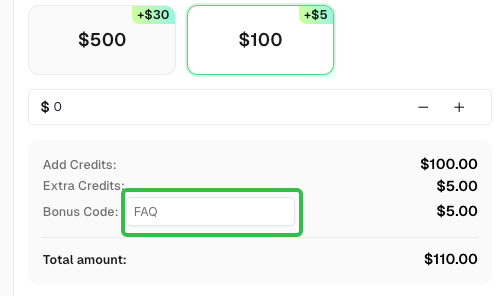
FAQwhen signing up at CapSolver to receive an additional 5% bonus on your recharge.
CapSolver FAQ — capsolver.com