How to Select Elements by Text Using XPath
Answer
XPath allows selecting HTML elements based on visible text using functions like text() for exact matches and contains() for partial matching. These techniques are widely used in web scraping and automation when stable attributes are unavailable or dynamic page structures require text-based targeting.
Detailed Explanation
Selecting elements by text in XPath is a common strategy in web scraping when elements lack unique IDs or stable attributes. XPath evaluates the DOM tree and can match nodes based on their text content. The most basic approach uses text() for exact matching, which requires the element’s visible text to match precisely, including spacing and case sensitivity.
For more flexible matching, contains() is widely used. It allows partial text matching, which is essential in dynamic websites where labels or UI text may change slightly. In more complex cases, developers also rely on functions like starts-with() or normalize-space() to handle whitespace inconsistencies and improve selector reliability. These techniques are essential in scraping workflows where DOM structures are unpredictable or frequently updated.
Solutions / Methods
- Exact text matching: Use
//tag[text()='exact value']when the content is static and fully predictable. This method is precise but fragile when UI text changes even slightly. - Partial text matching: Use
//tag[contains(text(),'keyword')]to locate elements containing a substring. This is the most common approach for dynamic web pages and UI components. - Robust scraping approach with automation tools: Combine XPath text matching with browser automation frameworks and security challenge handling techniques. In environments protected by CAPTCHA or bot detection, solutions such as CapSolver can be integrated to ensure uninterrupted scraping workflows and reduce automation failures.
Best Practice / Tips
When selecting elements by text, prefer attribute-based selectors whenever possible, as they are more stable and performant than text-based queries. Use text matching only when attributes like id, class, or data-* markers are unavailable. For large-scale scraping, always scope XPath queries to a smaller DOM subtree to improve speed and reduce unnecessary evaluations.
👉 Related:
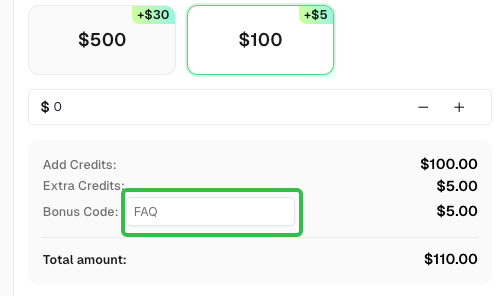
Use code
FAQwhen signing up at CapSolver to receive an additional 5% bonus on your recharge.
CapSolver FAQ - capsolver.com