
Is Python Requests Deprecated?
Answer
No, the Python Requests library is not deprecated. It remains actively maintained, widely used, and continues to receive updates and bug fixes. While newer HTTP clients exist, Requests is still a reliable choice for web scraping, API calls, and automation workflows.
Detailed Explanation
The Python Requests library is one of the most popular tools for sending HTTP requests in Python-based applications. Despite rumors and confusion, it has not been deprecated and continues to be actively developed with regular releases and community support.
Much of the misunderstanding comes from specific environments, such as cloud SDKs or bundled dependencies, where older embedded versions of Requests were deprecated. This led developers to incorrectly assume the entire library was outdated. In reality, only those bundled versions were removed or replaced-not the official package itself.
Requests remains widely adopted due to its simplicity, intuitive API, and built-in handling of sessions, cookies, authentication, and JSON data. Even with the emergence of alternatives like async-based HTTP clients, Requests is still highly relevant for synchronous workflows and remains a standard tool in web scraping and automation pipelines.
Solutions / Methods
- Continue Using Requests for Standard Workflows:For most use cases such as API calls, data extraction, and lightweight scraping, Requests provides a stable and easy-to-use interface without requiring major changes.
- Adopt Async Libraries When Needed:If your project requires high concurrency or non-blocking requests, consider async alternatives like httpx or aiohttp, especially for large-scale scraping systems.
- Handle security management systems with Specialized Tools:When using Requests in web scraping, you may encounter CAPTCHA or bot protection systems. Solutions like CapSolver can help automate CAPTCHA solving and improve request success rates without modifying your core HTTP client.
Best Practice / Tips
- Always use the latest version of Requests to avoid compatibility issues.
- Combine Requests with proxy rotation and proper headers to reduce detection risk.
- For protected targets, integrate CAPTCHA-solving workflows alongside your scraping logic.
👉 Related:
Use code
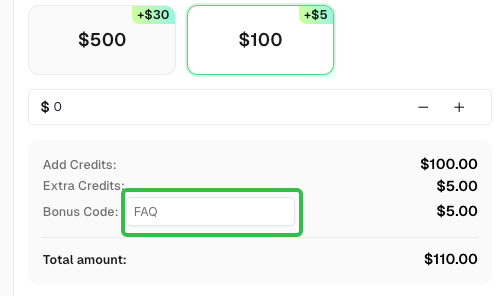
FAQwhen signing up at CapSolver to receive an additional 5% bonus on your recharge.
CapSolver FAQ — capsolver.com