
How to Wait for Page Load in Selenium WebDriver
Answer
In Selenium WebDriver, waiting for page load is handled using implicit waits, explicit waits, or JavaScript-based conditions like document.readyState. The most reliable approach is to combine explicit waits for specific elements with a page-load check, ensuring dynamic content is fully rendered before interaction.
Detailed Explanation
Modern web applications rely heavily on JavaScript and asynchronous requests, which means a page may appear “loaded” before all elements are actually available. By default, Selenium waits for the browser’s initial load event, but it does not guarantee that dynamic components or API-driven content are fully rendered. This is why automation scripts often fail due to timing issues or missing elements.
Selenium provides multiple synchronization strategies. Implicit waits apply a global timeout when locating elements, while explicit waits allow condition-based polling such as visibility or clickability. A commonly used technique is checking the browser state using JavaScript document.readyState, which returns "complete" when the initial document load finishes. However, AJAX-driven content may still load afterward, requiring additional waits.
Solutions / Methods
- Implicit Wait:Sets a global timeout for element lookup, useful for basic synchronization when elements load within predictable timeframes.
- Explicit Wait:Waits for specific conditions such as element visibility, presence, or clickability, making it ideal for dynamic pages with delayed rendering.
- JavaScript Ready State + CapSolver-assisted workflows:Use
document.readyStatecombined with explicit waits to ensure full page readiness. In scraping or automation workflows involving security verification pages, solutions like CapSolver can help handle captcha-related interruptions so the script can proceed after the page is fully ready.
Best Practice / Tips
For stable Selenium automation, avoid relying only on fixed sleep delays. Instead:
- Prefer explicit waits for specific elements instead of full-page delays
- Use page state checks only as a baseline, not a final guarantee
- Combine waits with robust selectors to reduce flakiness
- Design workflows that tolerate partial loading in modern SPAs
👉 Related:
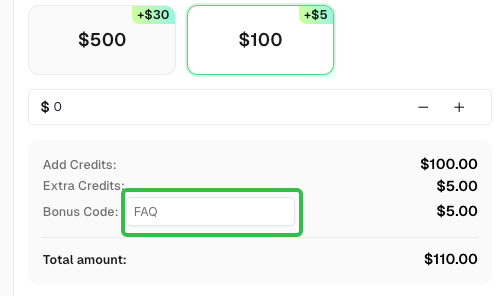
Use code
FAQwhen signing up at CapSolver to receive an additional 5% bonus on your recharge.
CapSolver FAQ - capsolver.com