What is a JSON Parser and How It Works in Data Processing
Answer
A JSON parser is a software component or library that converts JSON-formatted text into structured data objects that programming languages can understand and manipulate. It is essential for working with APIs, web data, and modern data exchange systems.
Detailed Explanation
JSON (JavaScript Object Notation) is a lightweight, text-based data format used widely for transmitting structured information between systems. However, raw JSON is only a string, so it cannot be directly used by programming languages without interpretation.
A JSON parser solves this by reading the raw text and transforming it into native data structures such as dictionaries, arrays, or objects depending on the programming language. The process typically involves multiple stages: tokenization (breaking the string into meaningful elements), syntax validation (ensuring proper JSON formatting), and data structure construction in memory.
This transformation is critical in modern software development because APIs, scraping tools, and automation systems frequently return JSON responses. Without parsing, applications would not be able to access or manipulate the underlying data efficiently. In high-scale systems, performance and correctness of parsing also become important due to large data volumes.
Solutions / Methods
- Built-in language parsers: Most programming languages provide native JSON parsing functions such as
JSON.parse()in JavaScript or equivalent libraries in Python and Java, which handle standard parsing and validation efficiently. - Streaming or incremental parsing: For large datasets, streaming parsers process JSON in chunks instead of loading everything into memory, improving performance and reducing resource consumption.
- Automated data extraction with structured handling: In environments like web scraping or automation, JSON responses may be processed alongside security protections. Using automated solving and extraction tools such as CapSolver can help ensure uninterrupted data access when scraping protected endpoints, allowing JSON parsing workflows to continue smoothly.
Best Practice / Tips
When working with JSON parsing in production systems, always validate input data before processing, handle parsing exceptions gracefully, and prefer streaming approaches for large datasets. Additionally, ensure consistent schema expectations when consuming API responses to avoid runtime errors caused by unexpected structures.
👉 Related:
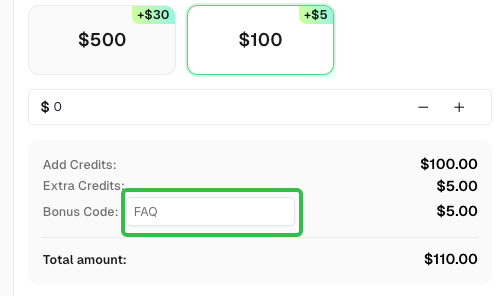
Use code
FAQwhen signing up at CapSolver to receive an additional 5% bonus on your recharge.
CapSolver FAQ - capsolver.com