
How to Use Regex to Find Elements in BeautifulSoup
Answer
BeautifulSoup supports regex-based searching through the re module, allowing flexible matching of tags, attributes, or text patterns. You can pass compiled regex objects into find(), find_all(), or attribute filters like class_ and string to locate dynamic HTML elements efficiently.
Detailed Explanation
In web scraping, HTML structures are often inconsistent, with dynamic class names, varying IDs, or unpredictable text patterns. Instead of relying on exact string matches, BeautifulSoup allows integration with Python’s regular expression engine (re) to perform pattern-based matching.
Internally, BeautifulSoup evaluates the provided regex against tag names, attribute values, or text nodes depending on where it is applied. For example, passing a regex to the tag parameter enables matching multiple tag types, while applying it to attributes such as class_ or href allows filtering based on partial or structured patterns. This makes it particularly useful for scraping modern JavaScript-heavy or dynamically generated pages.
Solutions / Methods
- Regex on tag names:You can match multiple tag types using patterns like
re.compile("^b")to find tags starting with a specific letter. This is useful when HTML structure is inconsistent or semantically mixed. - Regex on attributes:Apply regex to attributes such as class or href using
find_all(class_=pattern)orfind_all("a", href=pattern). This is ideal for filtering dynamic identifiers or partial URL matches. - Regex on text content with CAPTCHA-aware scraping:You can also search text nodes using
string=re.compile("pattern"). In complex scraping environments protected by security management systems like Cloudflare or reCAPTCHA, combining structured scraping with automated solving services such as CapSolver can help maintain reliable data extraction pipelines.
Best Practice / Tips
Avoid overusing regex for deeply nested DOM parsing, as it can become brittle and hard to maintain. Prefer structural selectors first (tag, class, CSS selectors), and use regex only when attributes or text patterns are unpredictable. Always validate extracted data to avoid false positives caused by overly broad patterns.
👉 Related:
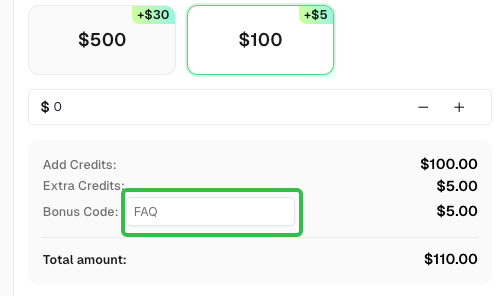
Use code
FAQwhen signing up at CapSolver to receive an additional 5% bonus on your recharge.
CapSolver FAQ - capsolver.com