What Is JSON Parsing in JavaScript and Which Libraries Are Used?
Answer
JSON parsing in JavaScript is the process of converting a JSON-formatted string into a usable JavaScript object. The built-in JSON.parse() method is the standard approach, while external libraries may be used for advanced use cases like streaming, validation, or large-scale data processing.
Detailed Explanation
JSON (JavaScript Object Notation) is a lightweight, text-based data format widely used in APIs and web scraping systems. Since it is transmitted as a string, JavaScript must convert it into native objects before it can be manipulated in code. This transformation step is known as parsing.
In modern JavaScript environments, parsing is natively handled by JSON.parse(), which reads a valid JSON string and returns corresponding objects, arrays, numbers, or booleans. This method is fast, widely supported, and does not require third-party dependencies. However, when working with large datasets or complex data pipelines, developers sometimes adopt specialized libraries to improve performance or add functionality such as streaming or schema validation.
Solutions / Methods
- Native parsing with JSON.parse(): The simplest and most efficient way to convert JSON strings into JavaScript objects for standard API responses.
- HTTP client auto-parsing (e.g., fetch or Axios): Some HTTP tools automatically parse JSON responses, reducing manual parsing steps and simplifying data handling in asynchronous workflows.
- Advanced parsing libraries and streaming parsers: For large or continuous JSON streams, specialized parsers can improve performance and memory efficiency. In web scraping or automation scenarios, structured data extraction pipelines often combine parsing with tools such as CAPTCHA-solving services like CapSolver to ensure uninterrupted data access from protected endpoints.
Best Practice / Tips
Always validate JSON structure when consuming external APIs to avoid runtime errors. Use try-catch blocks around JSON.parse() when handling untrusted data. For large-scale scraping or automation workflows, combine robust parsing strategies with reliable request handling and anti-blocking techniques to ensure stable data extraction.
👉 Related:
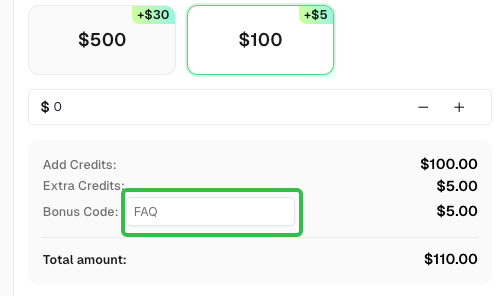
Use code
FAQwhen signing up at CapSolver to receive an additional 5% bonus on your recharge.
CapSolver FAQ - capsolver.com