How to Solve CAPTCHA Challenges Using Python Requests

Rajinder Singh
Deep Learning Researcher
23-Jan-2025

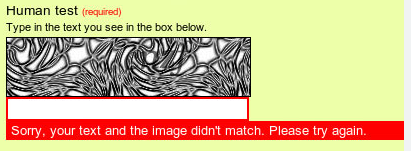
"Frustrating captcha..."
1. Why CAPTCHA Solving Matters

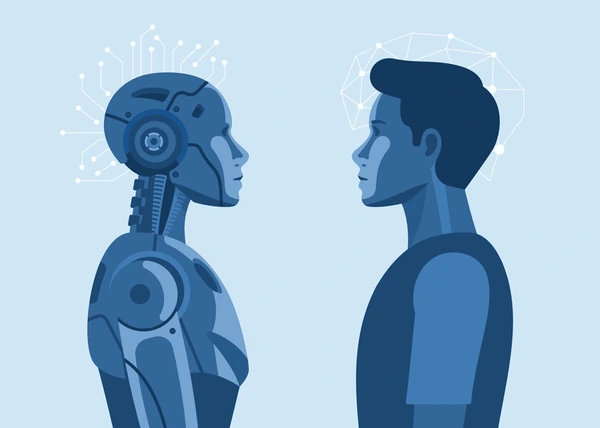
The eternal struggle - CAPTCHAs try to tell humans and bots apart
While CAPTCHAs protect websites from spam, they can block legitimate automation for:
- Research Projects: Academic and market research often require large-scale data collection from websites.
- Accessibility Tools: Tools designed to assist users with disabilities might need to navigate CAPTCHAs to provide content.
- Data Migration Scripts: When transferring data between systems, automated scripts may encounter CAPTCHAs.
- Academic Research: Scholars collecting data for studies on internet trends, user behavior, or technology adoption.
- Price Comparison and Market Analysis: Scraping product prices from e-commerce sites to analyze market trends.
- E-commerce Product Scraping: Monitoring competitors' websites to track product availability and pricing.
- Ad Verification: Ensuring that online advertisements are displayed correctly and not manipulated by bots.
- SEO and Website Monitoring: Checking website performance, uptime, and content changes in an automated manner.
- Social Media Data Collection: Aggregating public posts or trends from social platforms for sentiment analysis.
- Cybersecurity Research: Analyzing potential vulnerabilities or testing the robustness of security measures.
- Content Aggregation: Automatically collecting articles or blog posts for news aggregation services.
2. Setting Up Your Toolkit

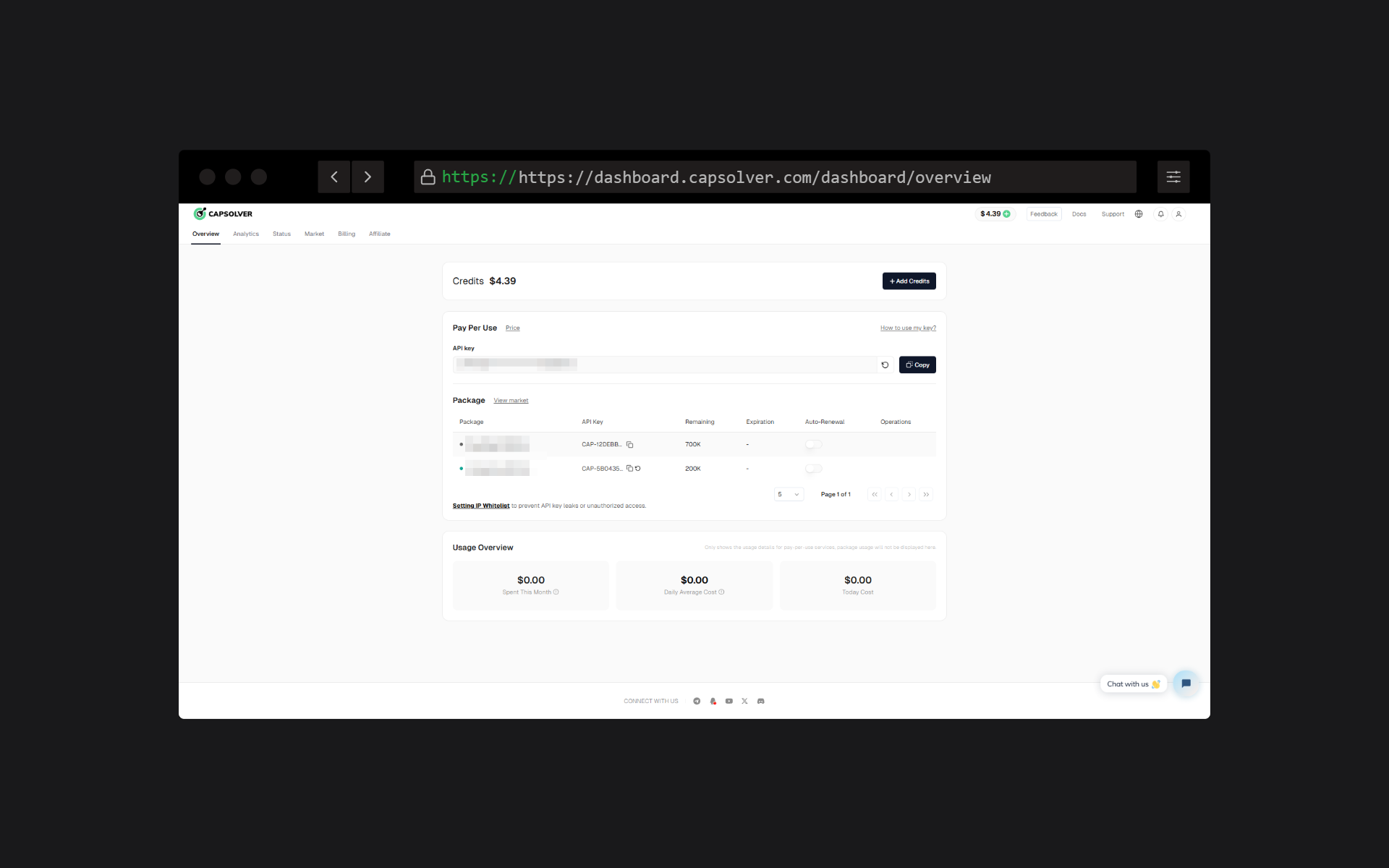
Your Capsolver dashboard - where API keys live
Install requirements:
bash
pip install requests
Get your API key:
- Create account at capsolver.com
- Navigate to API Overview
- Copy your
clientKey
3. Step-by-Step Implementation

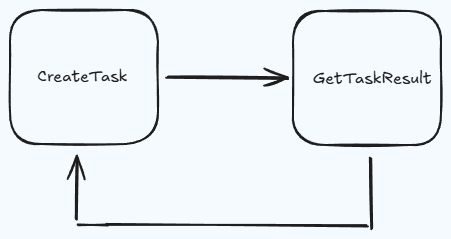
How the CAPTCHA solving process works
Complete code walkthrough:
python
# pip install requests
import requests
import time
# TODO: set your config
api_key = "YOUR_API_KEY" # your api key of capsolver
site_key = "6Le-wvkSAAAAAPBMRTvw0Q4Muexq9bi0DJwx_kl-" # site key of your target site
site_url = "" # page url of your target site
def capsolver():
payload = {
"clientKey": api_key,
"task": {
"type": 'ReCaptchaV3TaskProxyLess',
"websiteKey": site_key,
"websiteURL": site_url,
"pageAction": "login",
}
}
res = requests.post("https://api.capsolver.com/createTask", json=payload)
resp = res.json()
task_id = resp.get("taskId")
if not task_id:
print("Failed to create task:", res.text)
return
print(f"Got taskId: {task_id} / Getting result...")
while True:
time.sleep(1) # delay
payload = {"clientKey": api_key, "taskId": task_id}
res = requests.post("https://api.capsolver.com/getTaskResult", json=payload)
resp = res.json()
status = resp.get("status")
if status == "ready":
return resp.get("solution", {}).get('gRecaptchaResponse')
if status == "failed" or resp.get("errorId"):
print("Solve failed! response:", res.text)
return
token = capsolver()
print(token)
4. Understanding Task Types
Common CAPTCHA types you'll encounter
| Task Type |
|---|
| ReCaptchaV2Task / ReCaptchaV2TaskProxyless |
| ReCaptchaV3Task / ReCaptchaV3TaskProxyless |
| GeeTestTask / GeeTestTaskProxyless |
| AntiTurnstileTaskProxyless |
| ImageToTextTask |
5. Troubleshooting Common Issues

When your CAPTCHA solution fails...
Common Fixes:
- Double-check API key permissions
- Verify website URL, websiteKey, pageAction or other required / optional parameters matches exactly
- Test with different CAPTCHA types
- Contact capsolver support
Compliance Disclaimer: The information provided on this blog is for informational purposes only. CapSolver is committed to compliance with all applicable laws and regulations. The use of the CapSolver network for illegal, fraudulent, or abusive activities is strictly prohibited and will be investigated. Our captcha-solving solutions enhance user experience while ensuring 100% compliance in helping solve captcha difficulties during public data crawling. We encourage responsible use of our services. For more information, please visit our Terms of Service and Privacy Policy.
More

CAPTCHA AI Powered by Large Models: Why It's More Suitable for Enterprise Scenarios
How AI visual models are reshaping CAPTCHA recognition and why enterprise-grade solvers need data, scale, and custom training.

Ethan Collins
13-Mar-2026

How to Solve AWS WAF in n8n with CapSolver
Automatically solve AWS WAF invisible CAPTCHAs in your n8n workflows using CapSolver AI โ build enterprise-grade scrapers, login automation, and reusable solver APIs without writing a single line of code.

Lucas Mitchell
13-Mar-2026

WebMCP vs MCP: Whatโs the Difference for AI Agents?
Explore the key differences between WebMCP and MCP for AI agents, understanding their roles in web automation and structured data interaction. Learn how these protocols shape the future of AI agent capabilities.

Emma Foster
12-Mar-2026

How to Solve Cloudflare Challenge in n8n with CapSolver
Build a working Cloudflare Challenge scraper in n8n using CapSolver and a ChromeโTLS Go server to bypass bot protection.

Ethan Collins
12-Mar-2026

OpenClaw vs. Nanobot: Choosing Your AI Agent for Automation
Compare OpenClaw and Nanobot, two leading AI agent frameworks, for efficient automation. Discover their features, performance, and how CapSolver enhances their capabilities.

Nikolai Smirnov
11-Mar-2026

How to Solve reCAPTCHA v2/v3 Using CapSolver and n8n
Build a eCAPTCHA v2/v3 solver API using CapSolver and n8n. Learn how to automate token solving, submit it to websites, and extract protected data with no coding.

Lucas Mitchell
10-Mar-2026