
How to Find Elements by XPath in Selenium
Answer
In Selenium, elements can be located using XPath via findElement(By.xpath()) for a single match or findElements(By.xpath()) for multiple matches. XPath allows navigation through the DOM structure using paths, attributes, and conditions to identify elements even when IDs or classes are dynamic or missing.
Detailed Explanation
XPath (XML Path Language) is a query syntax used to traverse and locate nodes in an HTML or XML document. Since web pages are structured as a DOM tree, Selenium leverages XPath expressions to search within this hierarchy. Internally, the WebDriver sends locator instructions to the browser, which evaluates the DOM and returns matching nodes. This makes XPath especially useful for dynamic pages where static selectors like IDs or class names are unreliable.
There are two main evaluation modes: absolute XPath (full path from root) and relative XPath (starting from any node). Relative XPath is preferred because it is more stable and less sensitive to UI changes. Selenium executes the locator in the current context and returns either the first matched element or a list of all matches depending on the method used. This behavior is consistent with standard WebDriver element search mechanisms.
Solutions / Methods
- Use findElement with XPath: Retrieve the first matching element using a precise XPath expression like
//input[@name='email']. - Use findElements for bulk extraction: When scraping lists or repeated components, return all matches and iterate over them safely.
- Use robust relative XPath + automation support: Prefer expressions with
contains(),starts-with(), or attribute filters. In heavily protected or dynamic pages, automation frameworks combined with captcha-solving solutions such as CapSolver can help maintain scraping continuity when access challenges occur.
Best Practice / Tips
Avoid absolute XPath whenever possible, as it breaks easily when page structure changes. Instead, design locators based on stable attributes like data-* fields or semantic roles. Additionally, always combine XPath usage with explicit waits to handle asynchronous rendering and prevent NoSuchElementException errors in dynamic applications.
👉 Related:
- How to Solve Recaptcha in Web Scraping Using Python
- Solve Captcha in Web Scraping Using Python
- How to Integrate Selenium
- Web Scraping with Selenium and Python
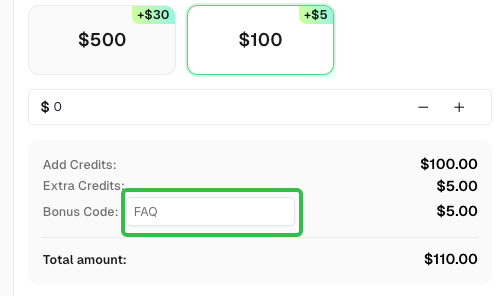
Use code
FAQwhen signing up at CapSolver to receive an additional 5% bonus on your recharge.
CapSolver FAQ - capsolver.com