
Are Certain Websites Restricted or Blocked for Scraping?
Answer
Yes, some websites are restricted or blocked for scraping due to legal, ethical, or security reasons. These typically include sensitive platforms like financial services or government portals, as well as sites that actively detect and block automated traffic through security systems and CAPTCHA challenges.
Detailed Explanation
In web scraping and automation, not all targets are equally accessible. Some websites explicitly restrict automated access due to compliance requirements, data sensitivity, or abuse prevention. Common examples include banking platforms, payment gateways, and government services, where scraping may violate policies or regulations.
Beyond explicit restrictions, many websites implement advanced security management systems to detect and block scraping activity. These systems analyze signals such as IP reputation, request frequency, browser fingerprints, and behavioral patterns. When suspicious activity is detected, the server may respond with HTTP errors like 403 (Forbidden) or 429 (Too Many Requests), effectively blocking access.
Modern protection layers-such as CAPTCHA challenges and behavioral analysis-are designed to distinguish real users from automated scripts. As a result, even publicly accessible pages can become “blocked” for bots if the traffic appears non-human. This makes scraping a dynamic challenge that depends on both the target site’s policies and its detection capabilities.
Solutions / Methods
- Respect target limitations and policies:Before scraping, review the website’s terms of service and avoid restricted categories such as financial or identity-sensitive platforms. This reduces legal risks and prevents unnecessary blocking.
- Improve anti-detection techniques:Use rotating proxies, realistic headers, and headless browsers to mimic human behavior. Reducing request frequency and distributing traffic helps avoid triggering rate limits or IP bans.
- Handle CAPTCHA and security challenges:When encountering CAPTCHA systems or advanced protections (e.g., Cloudflare or DataDome), automated solving solutions like CapSolver can help maintain access continuity by solving challenges programmatically and integrating into scraping workflows.
Best Practice / Tips
- Start with low request rates and scale gradually to avoid detection spikes.
- Monitor HTTP status codes (e.g., 403, 429) to identify early blocking signals.
- Combine proxy management, fingerprint simulation, and CAPTCHA solving for stable large-scale scraping.
👉 Related:
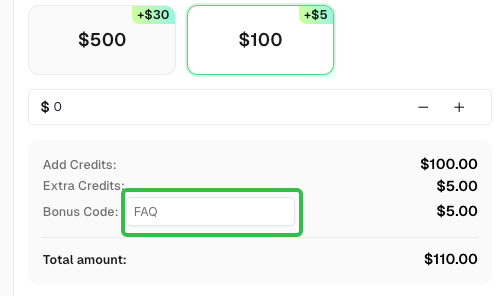
Use code
FAQwhen signing up at CapSolver to receive an additional 5% bonus on your recharge.
CapSolver FAQ — capsolver.com