
How to Convert Single Link Extraction into Multiple Links in Web Scraping Workflows
Answer
You can convert a single link extraction into multiple links by replacing the fixed starting URL with a URL list and running the scraper inside a loop structure. This allows each URL to be processed sequentially or in parallel, enabling scalable multi-page or multi-source extraction workflows.
Detailed Explanation
In web scraping workflows, a single starting URL is often used to define the entry point of data extraction. However, many real-world scraping tasks require collecting data from multiple pages or multiple sources with similar structures. Instead of manually duplicating tasks, the workflow can be redesigned using a list-based input system.
The core idea is to replace a static URL with a dynamic URL collection. Each URL in the list becomes an iteration target, allowing the scraper to reuse the same extraction logic repeatedly. This approach is especially useful for paginated websites, product catalogs, or aggregated article sources where structure remains consistent across pages.
This method also improves efficiency and scalability, since modern scraping systems can distribute URL-based tasks across parallel execution nodes. As a result, workflows become faster and easier to maintain compared to single-link extraction setups that require repeated manual configuration.
Solutions / Methods
- Replace starting URL with a URL list: Instead of using a single entry point, input multiple URLs into the workflow’s starting configuration so each page is processed individually.
- Use loop-based execution: Create a loop structure that iterates over a list of URLs, ensuring each link is visited and processed using the same extraction rules.
- Integrate structured automation tools: Advanced scraping systems allow “List of URLs” modes or sequential command execution. For more complex cases involving automated data collection under security protections, solutions like CapSolver can help maintain stable scraping flows when encountering captcha-based interruptions.
Best Practice / Tips
Always ensure your URL list is normalized and validated before execution to avoid broken requests. When dealing with large-scale scraping, prefer batch or cloud-based execution to improve performance. Additionally, reuse extraction templates across URLs to maintain consistency and reduce maintenance overhead.
👉 Related:
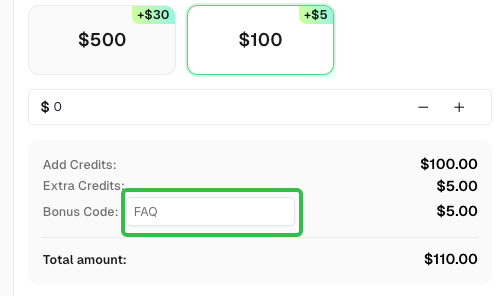
Use code
FAQwhen signing up at CapSolver to receive an additional 5% bonus on your recharge.
CapSolver FAQ - capsolver.com