
How Does Web Scraping Enhance Quick Commerce Price Monitoring and Dynamic Pricing?
Answer
Web scraping enables quick commerce businesses to collect real-time pricing data from competitors, marketplaces, and delivery platforms. This allows automated price monitoring, rapid detection of discounts, and dynamic price adjustments, helping companies stay competitive, optimize margins, and respond instantly to market changes.
Detailed Explanation
Quick commerce operates in an extremely fast-moving environment where product prices, availability, and promotions can change multiple times per day. Traditional manual tracking methods are too slow and inaccurate to keep up with these fluctuations. Web scraping solves this by automating the extraction of structured data-such as product prices, stock levels, and promotional offers-directly from competitor websites and marketplaces.
This continuous data flow forms the foundation of dynamic pricing systems. Businesses combine scraped external data with internal metrics (like inventory levels and sales velocity) to make pricing decisions in near real time. For example, if a competitor reduces prices or runs a flash discount, scraping tools can detect the change immediately and trigger a pricing response.
Additionally, web scraping enables deeper market intelligence by tracking trends over time-such as recurring discounts, seasonal demand spikes, and competitor stockouts. This allows businesses not only to react quickly but also to predict pricing patterns and optimize strategies proactively. In fast-paced delivery ecosystems, this level of responsiveness directly impacts conversion rates, customer retention, and profitability.
Solutions / Methods
- Real-time competitor price tracking:Deploy automated scraping pipelines to continuously monitor competitor product pages, capturing price changes, discounts, and availability across multiple platforms.
- Dynamic pricing engines:Integrate scraped data into rule-based or AI-driven pricing systems that adjust prices automatically based on competitor behavior, demand signals, and margin thresholds.
- Handling CAPTCHA and security challenges:Large-scale price monitoring often triggers security management systems such as CAPTCHA or WAF protections. Solutions like CapSolver can help automate CAPTCHA solving, ensuring stable data collection without interruptions in scraping workflows.
Best Practice / Tips
- Use proxy rotation and request throttling to avoid IP bans during high-frequency scraping.
- Normalize and validate scraped data to ensure accuracy across different marketplaces.
- Combine historical price data with real-time feeds to improve forecasting and pricing strategies.
- Monitor security defenses regularly and update scraping logic to maintain reliability.
👉 Related:
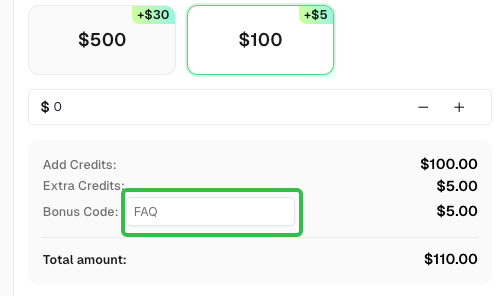
Use code
FAQwhen signing up at CapSolver to receive an additional 5% bonus on your recharge.
CapSolver FAQ — capsolver.com