
🎉NEWCapSolver for AI agents-MCP, agent tools, and SDK integrations
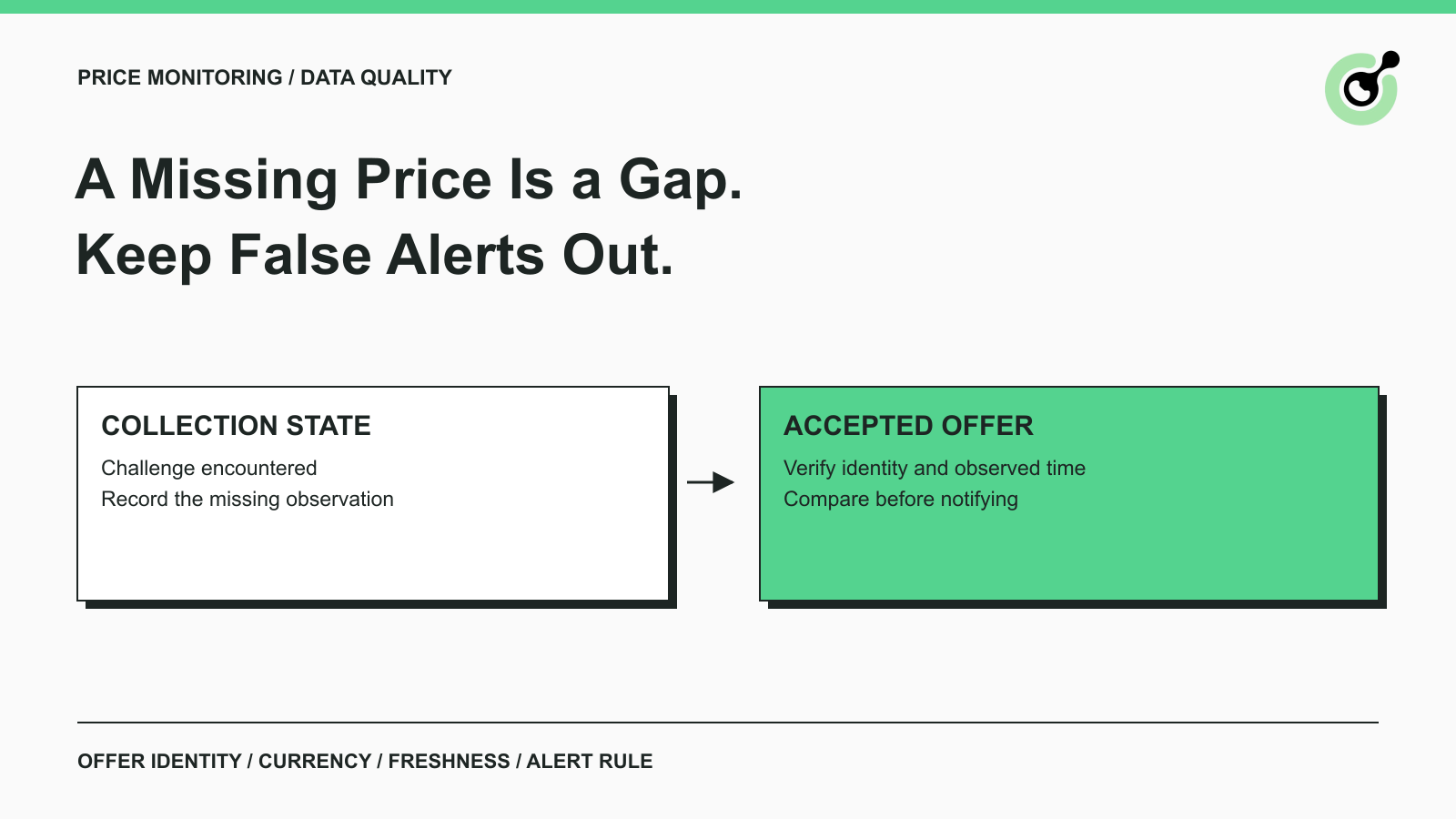
Prevent false price alerts in CAPTCHA-affected product monitoring by checking offer identity, currency, freshness, challenge states, and comparison eligibility.

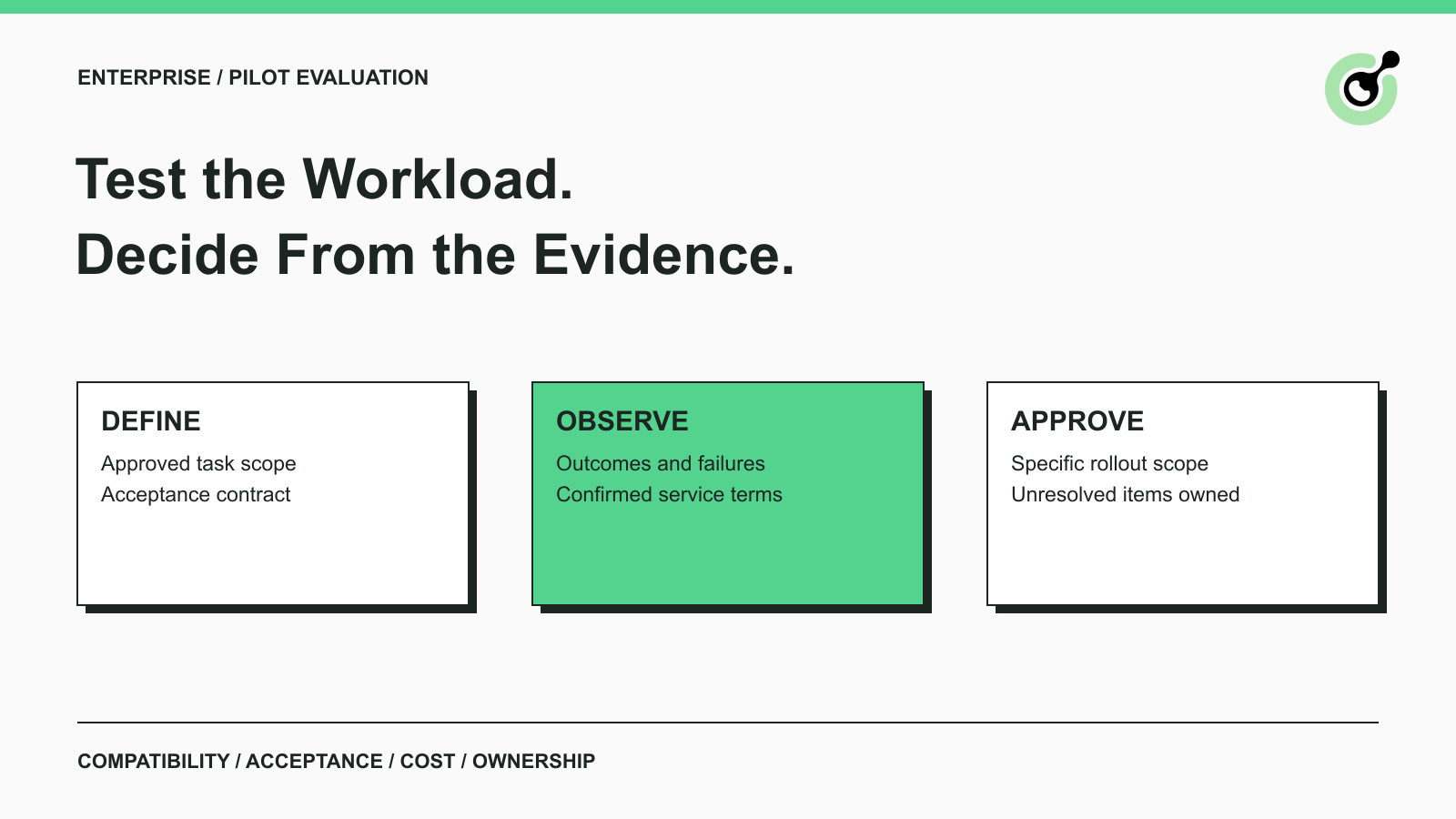
Evaluate enterprise CAPTCHA services with a focused pilot covering task compatibility, accepted outcomes, cost attribution, security evidence, and support.

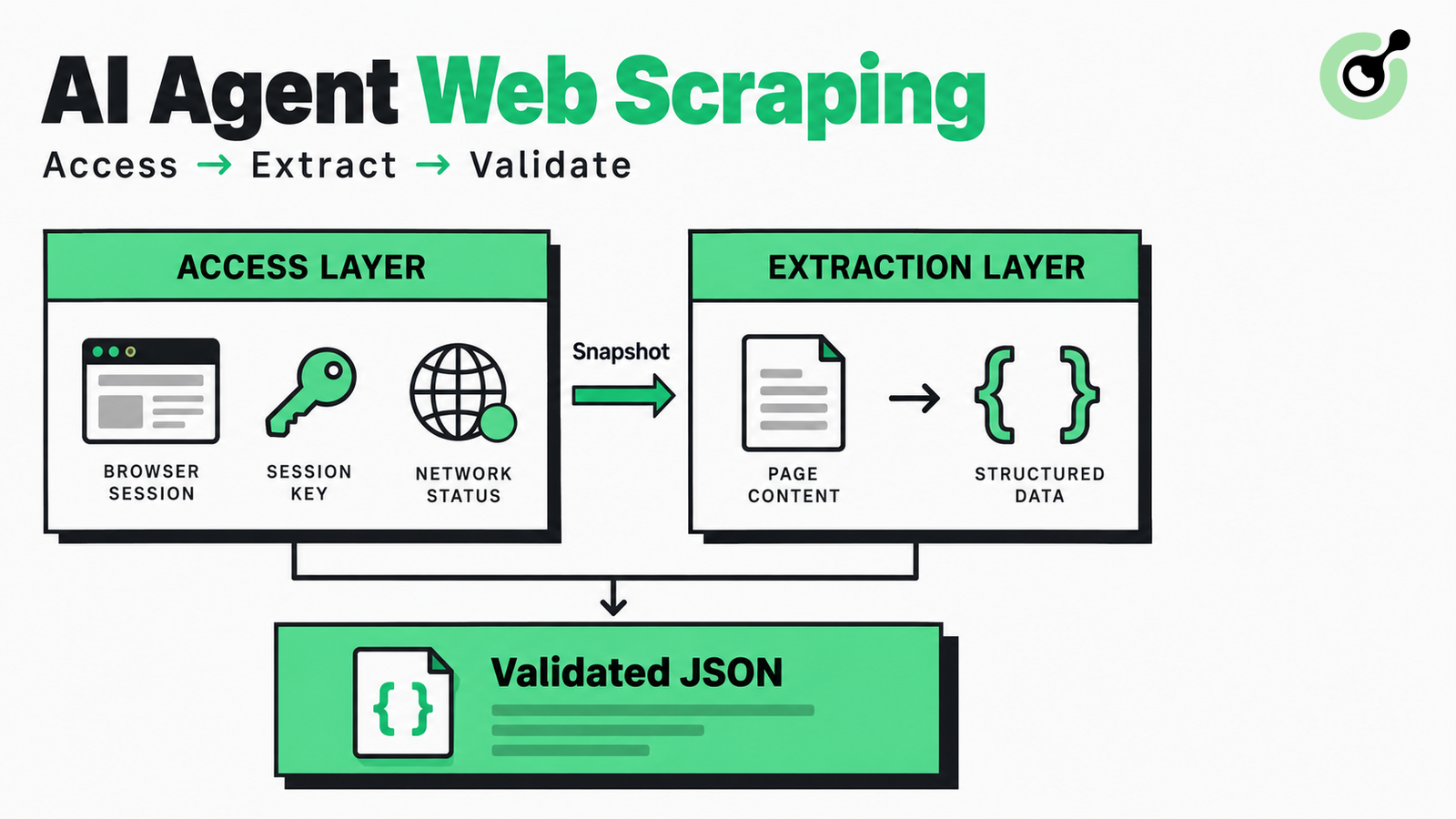
Design AI agent web scraping with separate access and extraction layers, runnable Python, bounded retries, retained snapshots, and structured data checks.


Struggling with 'Unusual traffic from your computer network' errors on Google? Our guide explains the triggers and offers solutions to solve captchas, including tips and a look at how CAPSOLVER.COM can streamline your browsing experience by automatically resolving these interruptions.
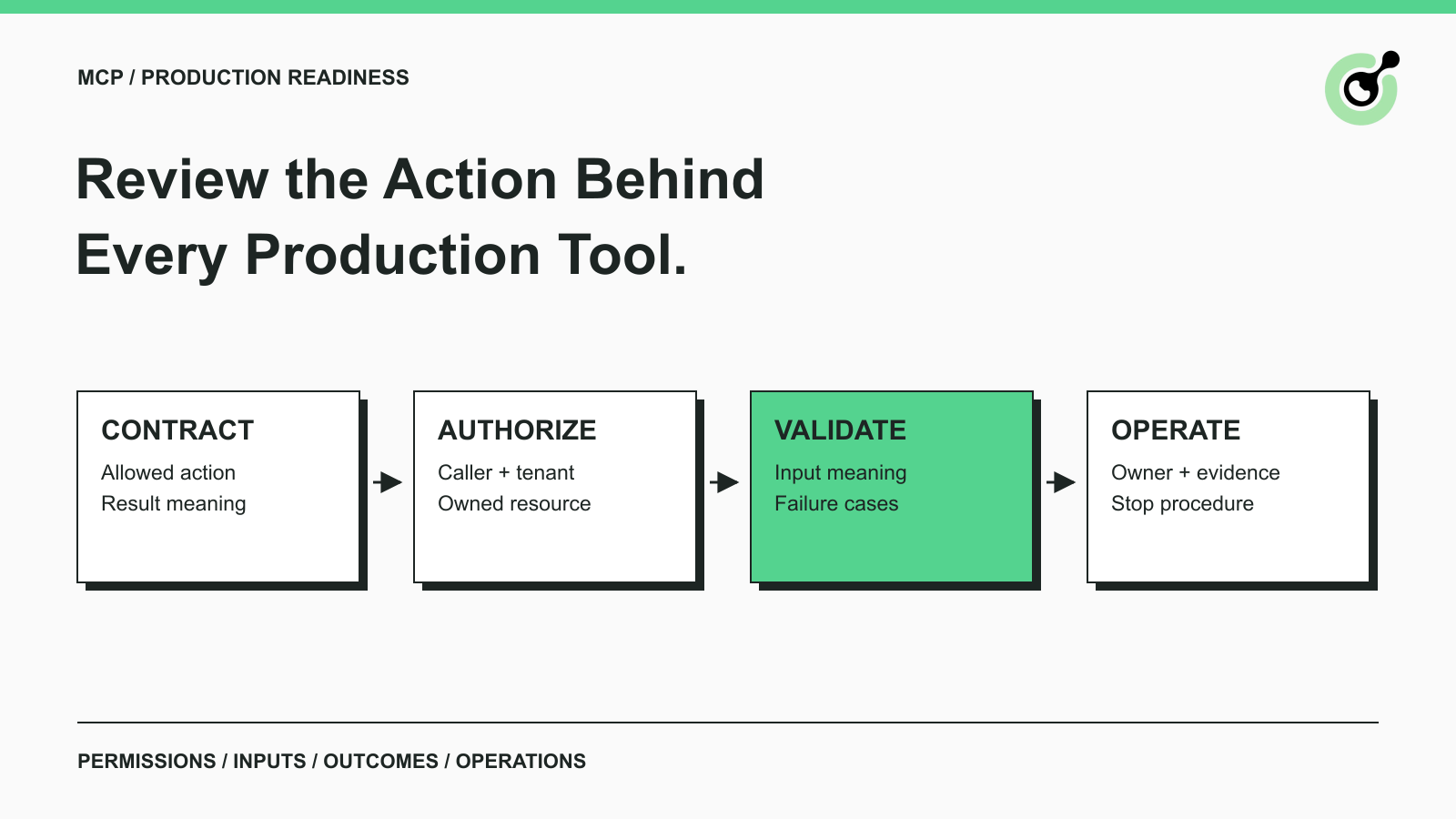
Use a production MCP server checklist to review tool permissions, tenant isolation, inputs, failure handling, logs, and release evidence before deployment.
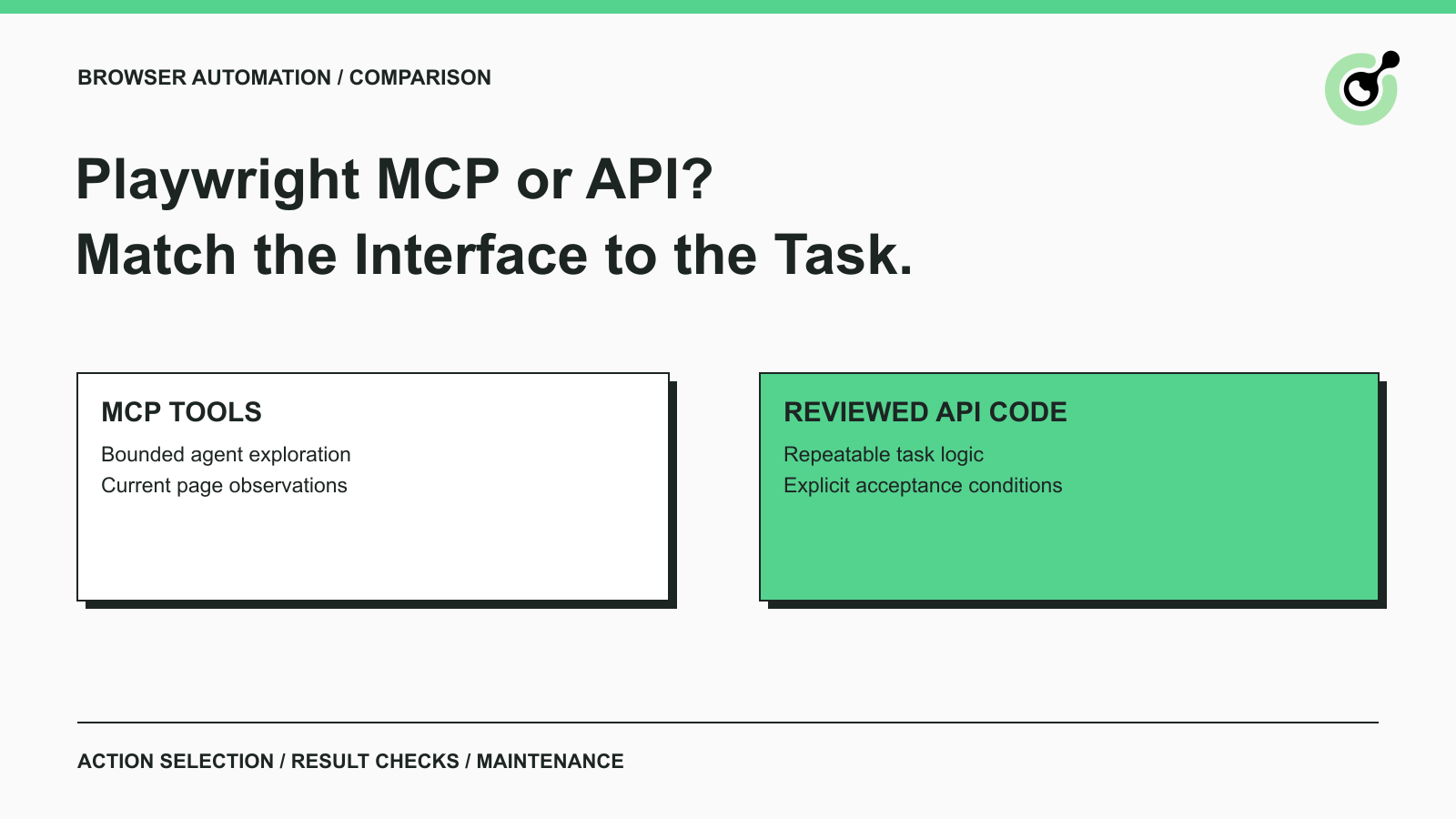
Compare Playwright MCP and the Playwright API for exploratory agents and repeatable browser tasks, including evidence, maintenance, and CAPTCHA boundaries.
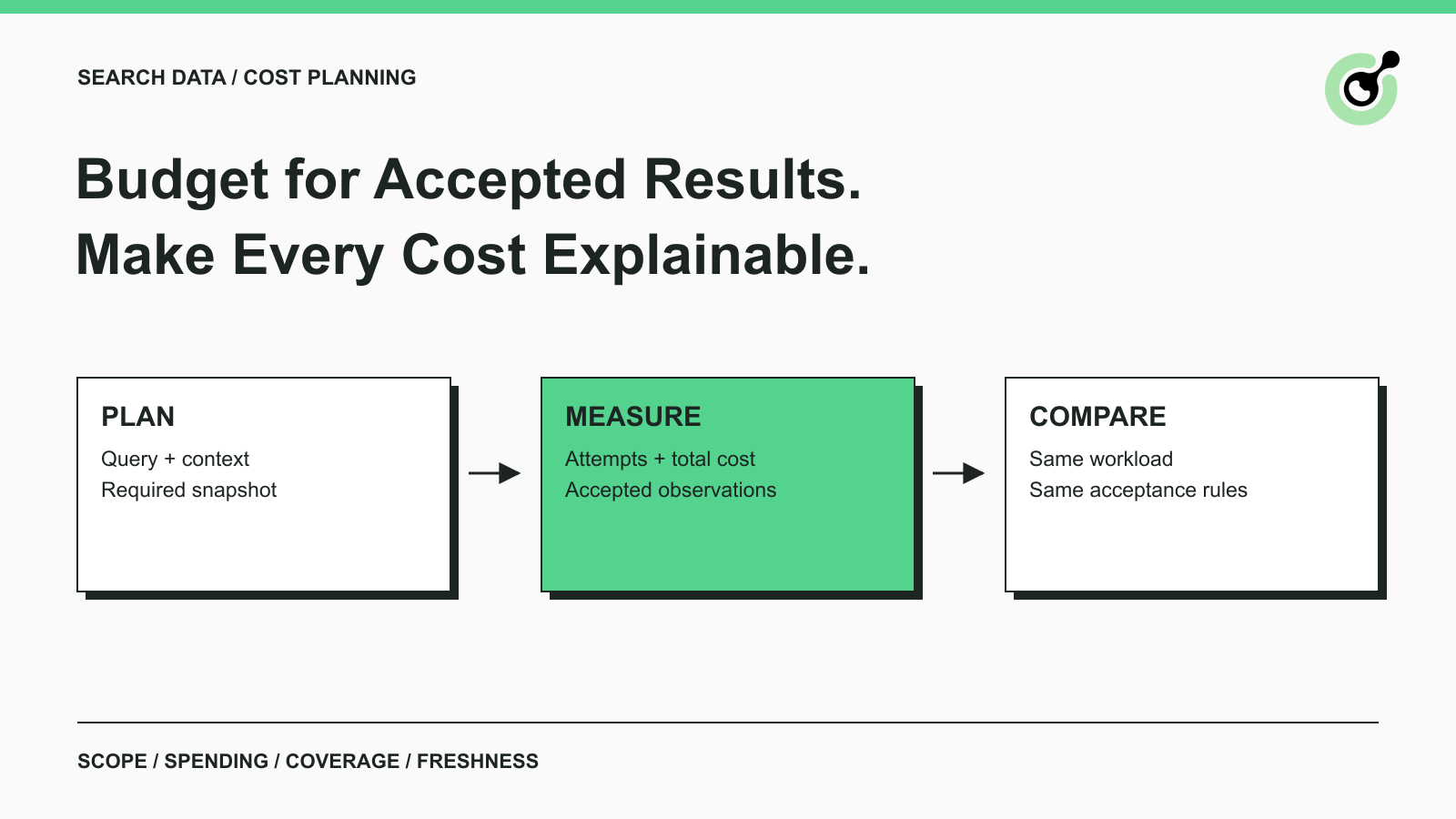
Estimate search data collection cost with a worked budget, accepted-result metrics, retry accounting, and practical checks for reliable reporting workflows.
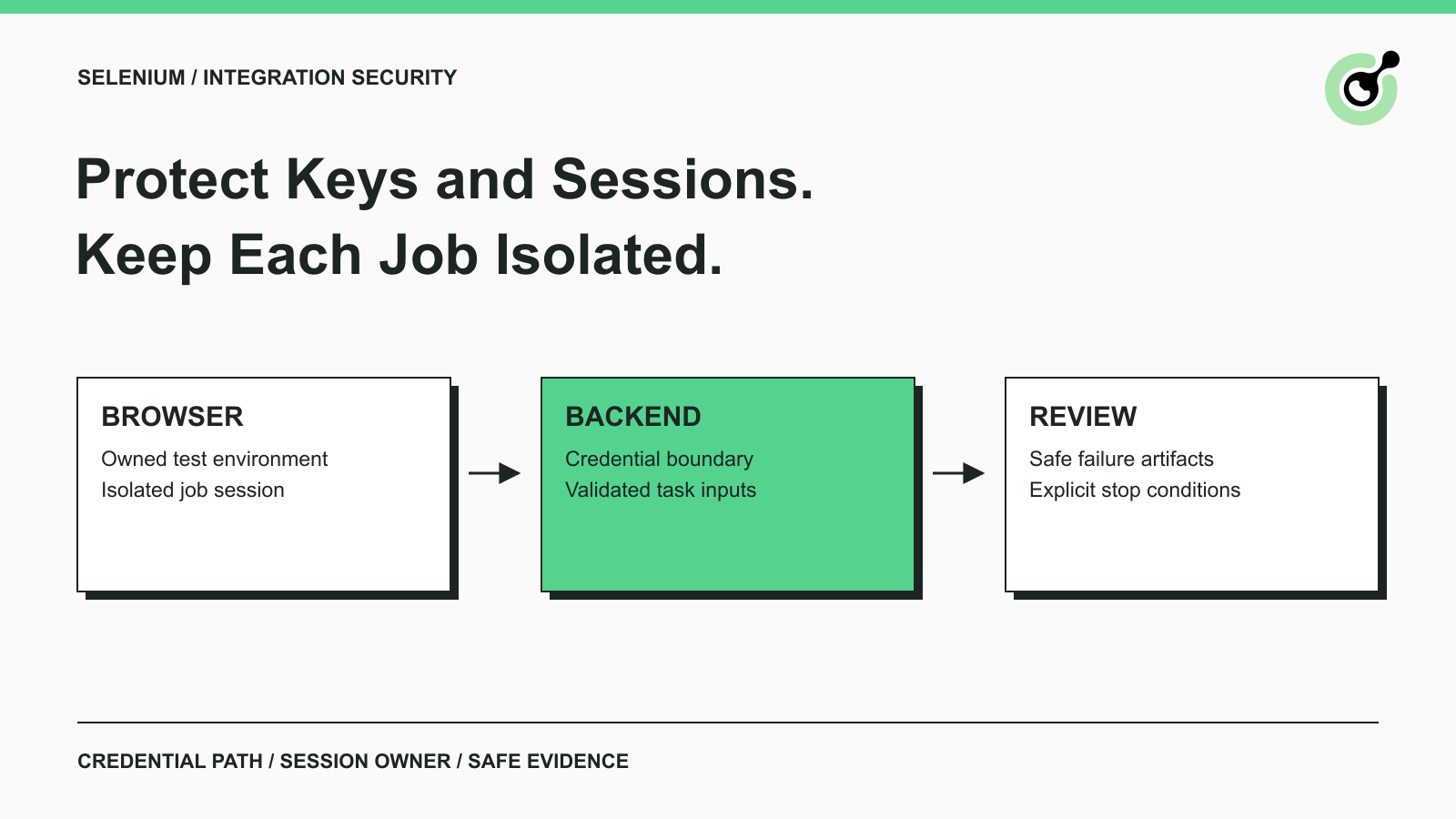
Learn how to protect keys, sessions, logs, and test environments in Selenium CAPTCHA integrations, with practical review checks for authorized automation.

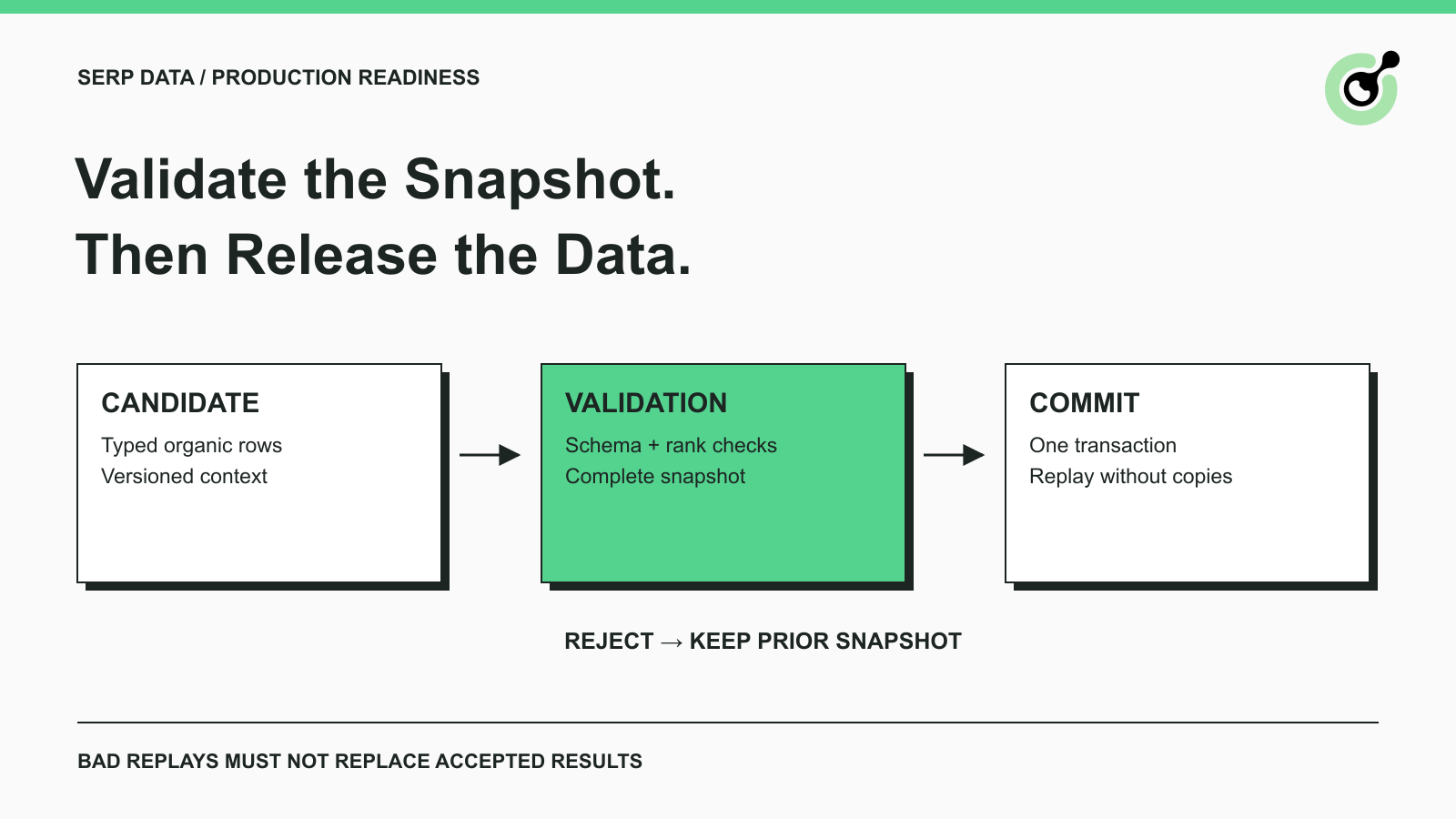
Use a SERP data collection production checklist for typed results, snapshot validation and safe replay. Test a SQLite gate before releasing data to reports.
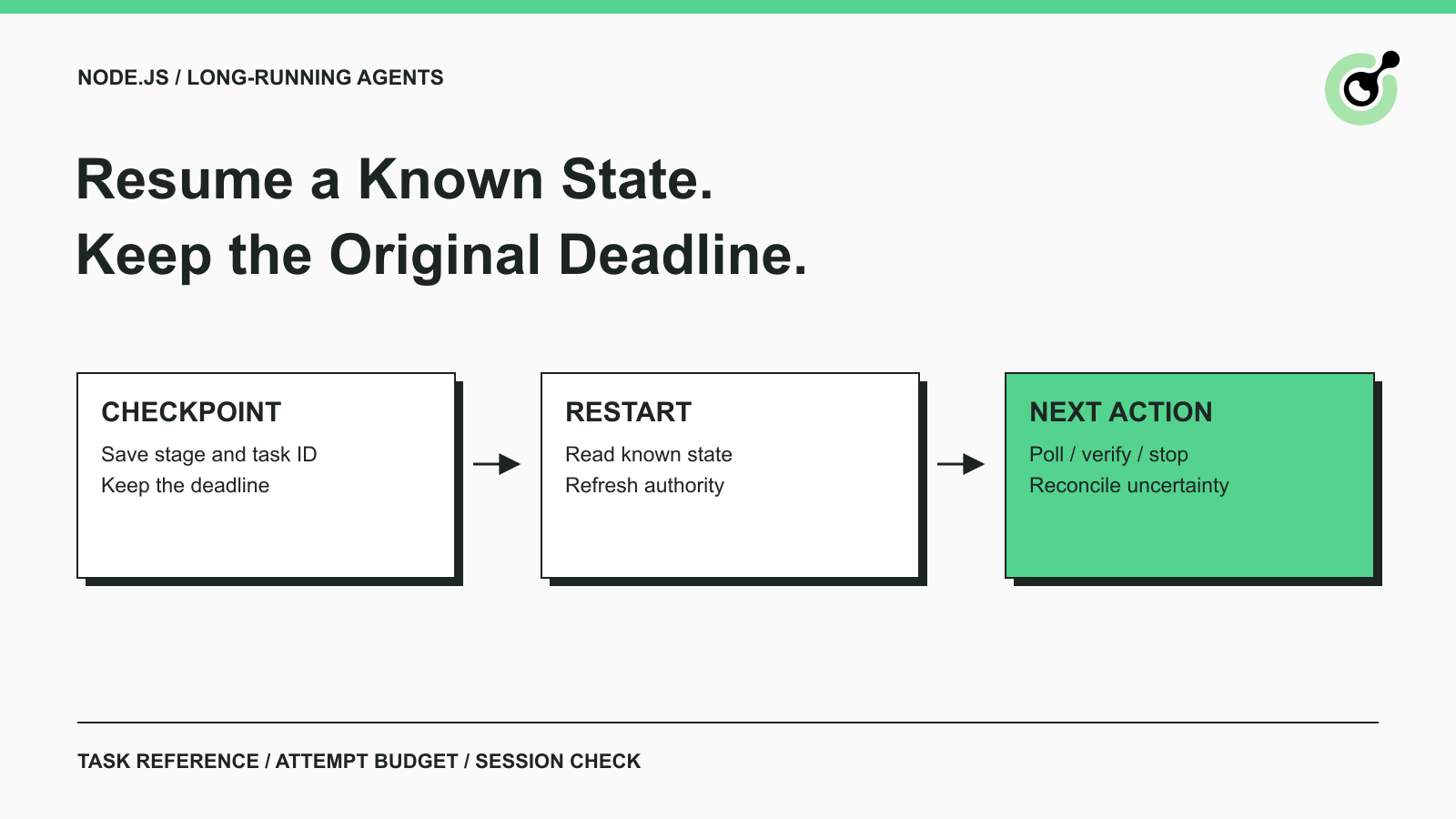
Design Node.js agent CAPTCHA handling with persisted checkpoints, original deadlines and separate submission states. Test restart decisions before integration.
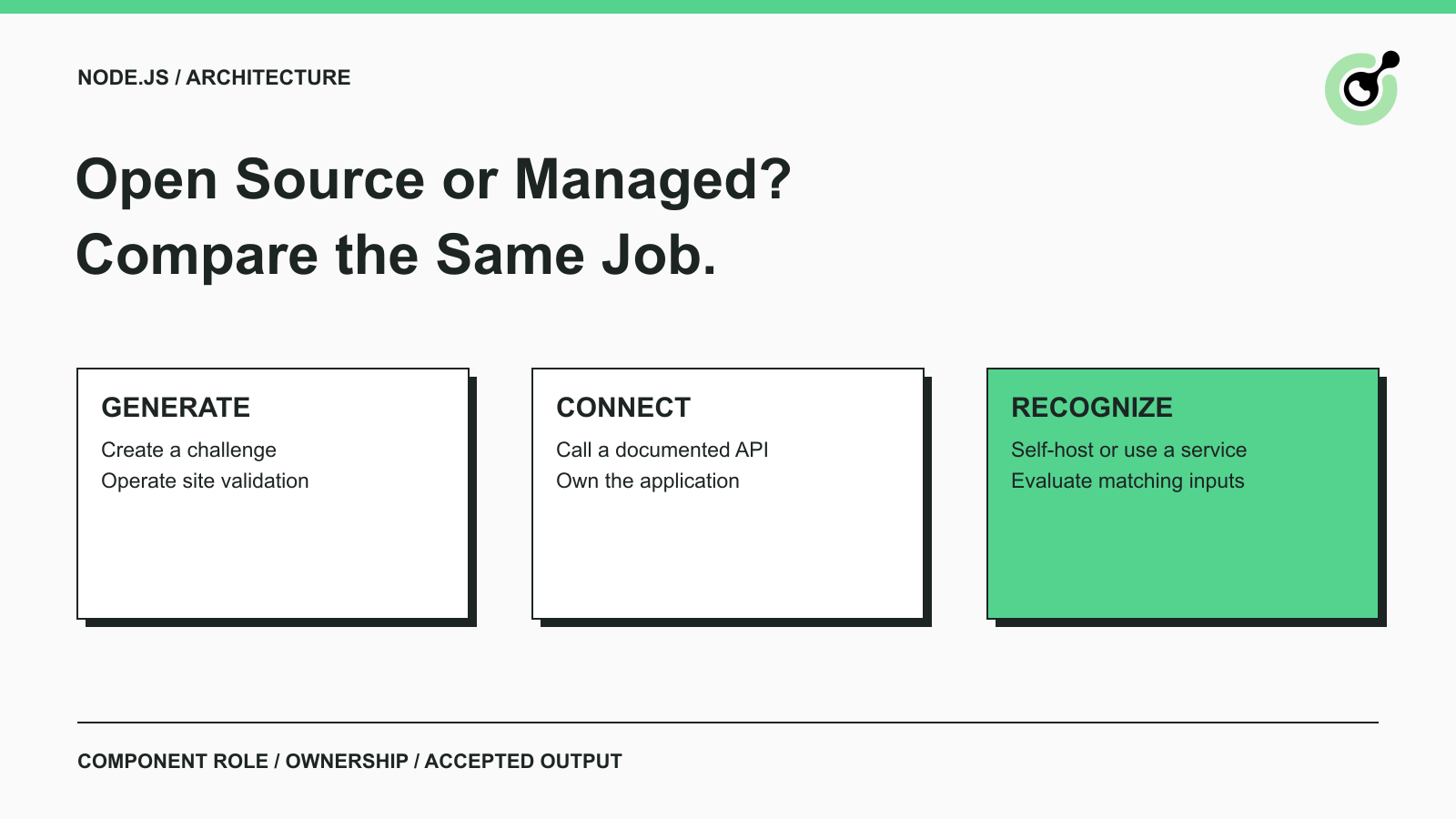
Compare Node.js CAPTCHA API options by separating generators, open-source clients and managed solving, then evaluate workload fit, ownership and real cost.
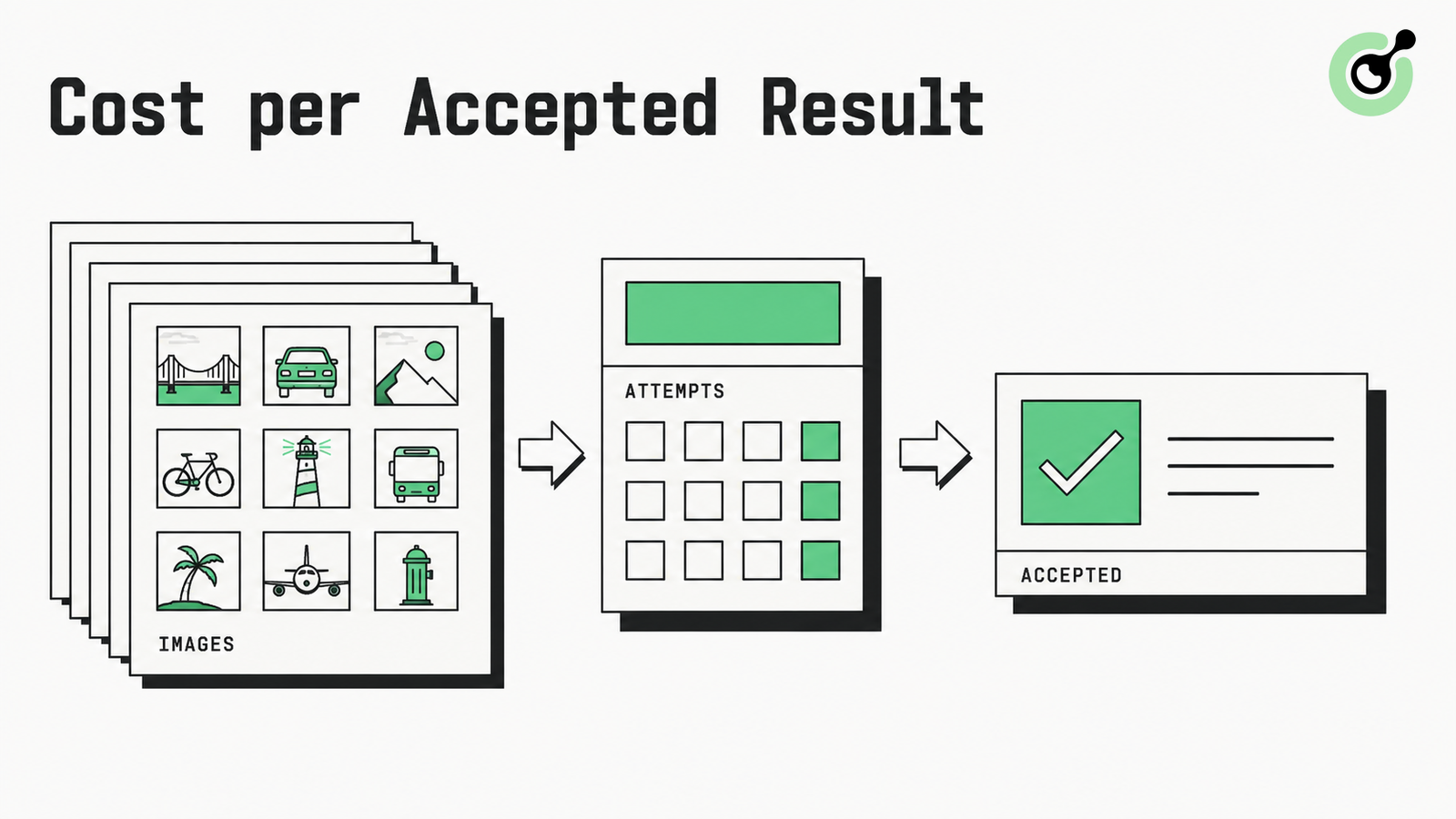
Calculate image CAPTCHA API cost at scale with billable attempts, accepted results and operating costs. Use a tested Python model and current CapSolver pricing.