🎉NEWCapSolver for AI agents-MCP, agent tools, and SDK integrations

Aloísio Vítor
Image Processing Expert
Published Feb 12, 2026
Updated Feb 13, 2026 · min read
The landscape of search engine optimization is undergoing a fundamental shift toward system-oriented efficiency. Modern SEO professionals no longer spend hours manually auditing backlinks or drafting individual meta descriptions. Instead, they build automated pipelines that handle data extraction, analysis, and content production at scale. This transition to AI SEO automation allows businesses to respond to search engine algorithm updates in real-time. By integrating advanced scraping techniques with generative intelligence, teams can achieve a level of topical authority that was previously impossible for smaller organizations. The goal is to move from performing tasks to managing systems that deliver consistent organic growth. This evolution requires a deep understanding of how data flows from the search results to the final published article.
At the heart of any automated SEO system lies the ability to extract data from Search Engine Results Pages (SERP). This process, known as serp scraping, provides the raw intelligence needed to understand what Google currently prioritizes. Automated tools crawl thousands of queries to analyze titles, snippets, and featured snippets. This data reveals the "intent" behind keywords, allowing AI models to align content with user expectations. Without accurate data from serp scraping, your AI models are essentially guessing. The accuracy of your content strategy depends entirely on the quality of the data you feed into your automation pipeline.
However, scaling this process presents significant technical challenges. Search engines employ sophisticated protection mechanisms to prevent automated access. When your scraping scripts encounter these blocks, they often face complex challenges that halt data collection. Using a reliable captcha solver is essential for maintaining the continuity of your data pipeline. Without it, your automation fails, leading to incomplete datasets and stalled content strategies. Professional teams use dedicated infrastructure to ensure that their serp scraping operations remain undetected and efficient. This infrastructure is the backbone of any successful AI SEO automation strategy.
| Feature | Manual SEO Workflow | AI-Automated SEO Workflow |
|---|---|---|
| Data Collection | Manual exports from GSC/Semrush | Real-time automated SERP scraping |
| Keyword Research | Spreadsheet-based brainstorming | AI-driven topical clustering |
| Content Drafting | 4-8 hours per 1,500 words | 15-30 minutes for AI-generated base |
| Scalability | Limited by headcount | Virtually unlimited via API integration |
| Error Rate | High (Human oversight errors) | Low (Consistent data processing) |
| Cost per Page | $200 - $500 (Writer + Editor) | $10 - $50 (API + Human Review) |
Once the SERP data is collected, the focus shifts to transformation. Modern systems use large language models to turn raw data into structured content briefs. These models analyze the top-ranking pages to identify common themes, frequently asked questions, and semantic keywords. This ensures that the generated content isn't just a collection of words, but a strategically designed asset that answers the user's query more comprehensively than existing results. The integration of AI SEO automation at this stage allows for the rapid creation of topical clusters that dominate search rankings.
Effective AI-powered content generation requires a "Human-in-the-loop" approach. While the AI handles the heavy lifting of research and drafting, human editors provide the creative nuance and brand-specific insights. This collaboration ensures that the final output meets the high standards required for E-E-A-T (Experience, Expertise, Authoritativeness, and Trustworthiness). Recent data from seoClarity indicates that 83% of large enterprises have seen improved SEO performance after incorporating AI into their content workflows. By using AI SEO automation, these companies can produce 5x more content without increasing their budget. This efficiency is what allows smaller players to compete with established giants in the search results.
Building a robust SEO system means planning for failure points. One of the most common reasons why web automation keeps failing is the inability to handle advanced bot detection. As you scale your serp scraping efforts to cover more regions or languages, you will inevitably trigger security layers like reCAPTCHA or Cloudflare Turnstile. These security measures are designed to distinguish between human users and automated scripts. If your system cannot solve these challenges, your AI SEO automation will come to a grinding halt.
For professional SEO system builders, these aren't just minor annoyances; they are critical bottlenecks. Integrating a service like CapSolver allows your automation to proceed without manual intervention. By providing a 99.9% success rate on the most difficult challenges, CapSolver ensures that your content generation engine stays fed with fresh, accurate data. This level of reliability is what separates basic scripts from enterprise-grade SEO automation.
To maintain high-volume serp scraping, you need to integrate automated solving into your Python scripts. Below are the official implementation patterns for reCAPTCHA v2 and v3 using the CapSolver API.
The following code demonstrates how to create a task and retrieve the solution for a standard reCAPTCHA v2 challenge:
import requests
import time

# Configuration
api_key = "YOUR_API_KEY"
site_key = "6Le-wvkSAAAAAPBMRTvw0Q4Muexq9bi0DJwx_mJ-"
site_url = "https://www.google.com/recaptcha/api2/demo"

def solve_recaptcha_v2():
    payload = {
        "clientKey": api_key,
        "task": {
            "type": 'ReCaptchaV2TaskProxyLess',
            "websiteKey": site_key,
            "websiteURL": site_url
        }
    }
    res = requests.post("https://api.capsolver.com/createTask", json=payload)
    task_id = res.json().get("taskId")

    if not task_id:
        return None

    while True:
        time.sleep(1)
        status_res = requests.post("https://api.capsolver.com/getTaskResult",
                                   json={"clientKey": api_key, "taskId": task_id})
        resp = status_res.json()
        if resp.get("status") == "ready":
            return resp.get("solution", {}).get('gRecaptchaResponse')
        if resp.get("status") == "failed":
            return None

token = solve_recaptcha_v2()
print(f"v2 Token: {token}")For v3, which relies on a score-based system, the implementation includes a pageAction parameter to ensure high-score results:
import requests
import time

api_key = "YOUR_API_KEY"
site_key = "6Le-wvkSAAAAAPBMRTvw0Q4Muexq9bi0DJwx_kl-"
site_url = "https://www.google.com"

def solve_recaptcha_v3():
    payload = {
        "clientKey": api_key,
        "task": {
            "type": 'ReCaptchaV3TaskProxyLess',
            "websiteKey": site_key,
            "websiteURL": site_url,
            "pageAction": "login"
        }
    }
    res = requests.post("https://api.capsolver.com/createTask", json=payload)
    task_id = res.json().get("taskId")

    while True:
        time.sleep(1)
        resp = requests.post("https://api.capsolver.com/getTaskResult",
                             json={"clientKey": api_key, "taskId": task_id}).json()
        if resp.get("status") == "ready":
            return resp.get("solution", {}).get('gRecaptchaResponse')
Use code
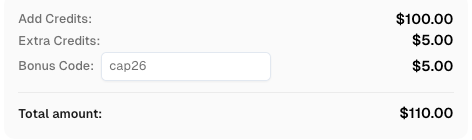
CAP26when signing up at CapSolver to receive bonus credits!
Large language models for SEO are not just for writing articles. They are increasingly used for technical tasks like generating schema markup, optimizing robots.txt files, and creating hreflang tags for international sites. This aspect of seo automation is often overlooked but provides significant value in terms of site health and indexability. By automating these technical audits, SEO teams can ensure that their sites are always optimized for the latest search engine requirements. This proactive approach to technical SEO is a hallmark of advanced AI SEO automation strategies.
Furthermore, these models can analyze log files to identify how search engine bots are crawling your site. By processing this data through an AI SEO automation pipeline, you can identify crawl budget issues and prioritize your most important pages. This level of insight was previously only available to large agencies with dedicated data science teams. Today, any business can use AI SEO automation to gain a competitive edge.
The future of search is increasingly moving toward "zero-click" results. According to a 2026 report by Position Digital, nearly 93% of searches in "AI Mode" end without a user clicking through to a website. This makes AEO critical for modern brands. Your content must be structured in a way that AI search engines can easily parse and present as the definitive answer. This is where AI SEO automation becomes truly powerful, as it can analyze the structure of existing "answers" and suggest optimizations for your own content.
Automation helps you optimize for these AI overviews by identifying the exact structure of successful answers. By scraping the "People Also Ask" sections and featured snippets, your system can automatically suggest the best formatting—such as tables, lists, or concise definitions—to increase the likelihood of being cited by AI agents. This is a significant part of best data extraction practices in the current era. AI SEO automation is the only way to stay ahead of this trend at scale.
Link building remains one of the most difficult aspects of SEO, but even here, automation is making an impact. AI SEO automation can be used to identify high-quality backlink prospects by analyzing the link profiles of your competitors. By using serp scraping to find pages that mention your competitors but not you, you can create highly targeted outreach campaigns. These systems can even draft personalized outreach emails that are tailored to the specific content of the prospect's page.
While the actual relationship building still requires a human touch, the discovery and initial outreach phases can be significantly accelerated. This allows SEO teams to focus their energy on high-value partnerships rather than manual data entry. By integrating link building into your broader AI SEO automation strategy, you create a holistic growth engine that covers all three pillars of SEO: technical, content, and authority.
As we rely more on AI SEO automation, it is important to address the ethical considerations. Using serp scraping to collect public data is a standard industry practice, but it must be done responsibly. Ensuring that your automation does not overwhelm the target servers is both a matter of ethics and technical stability. Most professional SEO automation tools include rate-limiting features to maintain a respectful footprint on the web.
Additionally, the use of AI-powered content generation brings up questions of originality. The goal of AI SEO automation should not be to create "spammy" or low-value content. Instead, it should be used to enhance the research process and provide a better experience for the user. By focusing on "helpful content," you align your automation strategy with Google's long-term goals. This ethical approach to AI SEO automation ensures that your site remains safe from future algorithm updates.
AI SEO automation is no longer an optional luxury for digital marketers. It is the new standard for competing in a crowded digital marketplace. By mastering serp scraping and integrating it with intelligent content generation, you can build a sustainable organic traffic engine. Focus on creating systems that handle the repetitive data tasks, allowing your team to focus on high-level strategy and creative differentiation. The companies that embrace AI SEO automation today will be the leaders of the search results tomorrow.
If you are ready to scale your SEO efforts, ensure your technical foundation is secure. Don't let bot detection slow down your growth. Implement a robust solution for data access to keep your systems running 24/7. The transition to automated SEO is a journey of continuous optimization and technical refinement. Start by automating your most time-consuming tasks and gradually build toward a fully integrated AI SEO automation pipeline.
1. Is AI-generated content penalized by Google?
Google's guidelines state that content is rewarded based on quality and helpfulness, regardless of how it is produced. However, using AI to manipulate search rankings without providing value can lead to penalties. Always prioritize the user's needs and ensure human oversight when using AI SEO automation.
2. How does serp scraping improve keyword research?
It provides real-time data on what is actually ranking, rather than relying on historical database averages. This allows you to see seasonal trends and new competitor entries immediately, giving you a faster response time. This is a core benefit of modern seo automation.
3. Why do I need a captcha solver for SEO automation?
High-frequency scraping often triggers security checks designed to stop bots. A solver like CapSolver automates the resolution of these checks, ensuring your data collection remains uninterrupted and your content systems stay updated. It is an essential tool for any AI SEO automation stack.
4. What are the best tools for AI SEO automation?
A modern stack typically includes a scraping API for data collection, an LLM like GPT-4 for content generation, and a technical layer like CapSolver to handle security challenges and avoid ip bans during large-scale operations.
5. How often should I update my automated SEO content?
Because search intent and competitor strategies change, you should set your system to re-crawl and analyze top-ranking pages at least once a quarter. This ensures your content remains the most relevant answer for your target keywords. Consistent updates are a key part of AI SEO automation.
Aloísio Vítor
Image Processing Expert
Interpreting the visual signals behind web workflows.
ABOUT THE AUTHOR
Discover how AI agents transform web scraping and competitive intelligence. Learn about automated data collection, anti-bot challenges, and CAPTCHA solutions for scalable workflows.

Discover the key differences between AI agent vs chatbot. Learn how agentic AI outperforms traditional AI in automation, decision-making, and complex workflows.