What is the difference between headless and non-headless browsers?
Answer
A headless browser runs without a graphical user interface (GUI), making it ideal for automation testing, CI/CD pipelines, and web scraping at scale. In contrast, a non-headless or real browser provides a full visual interface, essential for manual testing, debugging, and pixel-perfect layout verification.
Detailed Explanation
A headless browser is a web browser engine that runs without a graphical user interface (GUI). It still performs HTML parsing, rendering JavaScript, network communication, cookies, and storage but does not display a window. This makes it suitable for tasks like automation testing, CI/CD pipelines, and web scraping at scale. On the other hand, a real browser provides a full visual interface with tabs, toolbars, address bar, and browser UI, making it ideal for manual testing, debugging, and pixel-perfect layout verification.
The key differences between headless and non-headless browsers lie in their graphical user interfaces, ergonomics for debugging tools, and how well each fits into automation, headless testing, and CI/CD pipelines. Modern headless browsers perform very similarly to full browsers in terms of JavaScript execution and DOM behavior.
Solutions / Methods
- Headless Mode with Puppeteer: Use the `headless` option when launching a browser instance with Puppeteer. For example, `const browser = await puppeteer.launch({ headless: true });`. This will run the browser in headless mode.
- Real Browser with Visual Interface: To use a real browser with a visual interface, simply set the `headless` option to `false` when launching the browser instance. For example, `const browser = await puppeteer.launch({ headless: false });`. This will launch the browser in non-headless mode.
Best Practice / Tips
To effectively implement a solution that leverages both headless and real browsers, consider using a combination of residential proxies with automatic User-Agent rotation. This will help ensure that your browser automation tasks are executed from different IP addresses, reducing the risk of being blocked by websites.
👉 Related:
- NanoBrowser + CapSolver: Lightweight Browser
- Setup Selenium Driverless: Headless CAPTCHA
- Automating CAPTCHA Solving in Headless Browsers
Use code
FAQwhen signing up at CapSolver to receive an additional 5% bonus on your recharge.
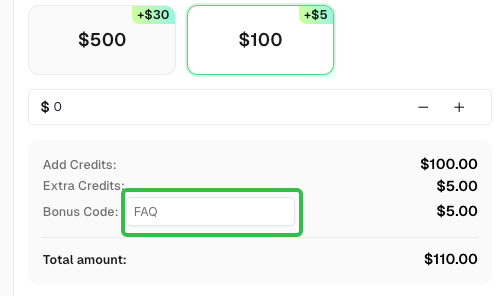
CapSolver FAQ — capsolver.com