
How does geolocation targeting work in proxies?
Answer
Geolocation targeting in proxies works by emulating a user's location through IP address spoofing. Proxies can be configured to mimic specific geographic locations, allowing advertisers to target users based on their perceived location rather than their actual one.
Detailed Explanation
Proxies use various techniques to manipulate the user's IP address and geolocation data. This can include using residential proxies that are assigned to specific geographic locations, or rotating through a pool of proxy servers to create the illusion of multiple users accessing content from different areas. By doing so, advertisers can target users based on their perceived location rather than their actual one, which is particularly useful for geo-targeted advertising campaigns.
The process typically involves setting up a proxy server that is configured to mimic a specific geographic location. The user's IP address is then spoofed to match the location of the proxy server, allowing the advertiser to target users based on their perceived location rather than their actual one. This can be done using various types of proxies, including residential proxies, data center proxies, and mobile proxies.
However, it's worth noting that geolocation targeting in proxies can be affected by various factors, such as the accuracy of the proxy server's geolocation data, the quality of the user's internet connection, and the complexity of the ad platform's geolocation algorithms. As a result, advertisers may need to experiment with different types of proxies and configurations to achieve optimal results.
Solutions / Methods
- Proxy Rotation: This involves rotating through a pool of proxy servers to create the illusion of multiple users accessing content from different areas. By doing so, advertisers can target users based on their perceived location rather than their actual one.
- Residential Proxy Setup: This involves setting up a residential proxy that is assigned to a specific geographic location. The user's IP address is then spoofed to match the location of the proxy server, allowing the advertiser to target users based on their perceived location rather than their actual one.
Best Practice / Tips
To implement geolocation targeting in proxies effectively, it's recommended to use a combination of residential proxies with automatic User-Agent rotation and set page.setRequestInterception(true) to block unnecessary resources. Additionally, advertisers should experiment with different types of proxies and configurations to achieve optimal results.
👉 Related:
- ProxyMa + CapSolver: Proxy Automation
- Rampage Proxy + CapSolver: High-Performance Setup
- Proxidize + CapSolver: Proxy Management
Use code
FAQwhen signing up at CapSolver to receive an additional 5% bonus on your recharge.
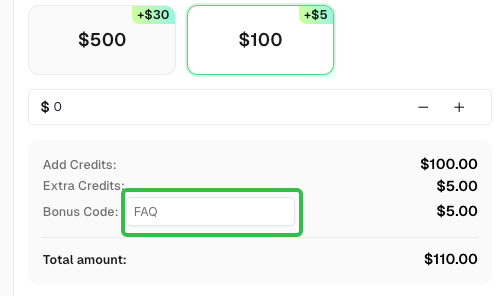
CapSolver FAQ — capsolver.com