
How Does Proxy Authentication Work?
Answer
Proxy authentication is the process of verifying a user's identity before granting access to a proxy server. It typically works through either username/password credentials or IP whitelisting, ensuring that only authorized users or devices can route traffic through the proxy infrastructure.
Detailed Explanation
Proxy authentication is a fundamental security mechanism used to control access to proxy servers. When a client (such as a browser, scraper, or automation script) attempts to connect to a proxy, the server must verify whether the request is authorized.
There are two widely used authentication methods. The first is username and password authentication, where credentials are included in the request-often via headers like Proxy-Authorization. This method is flexible and allows access from any location, making it suitable for distributed scraping systems or cloud-based automation workflows.
The second method is IP whitelisting, where the proxy server checks the client’s IP address against a predefined list of approved addresses. If the IP matches, access is granted automatically without requiring credentials. This method is efficient and reduces overhead but depends on having stable IP addresses.
In web scraping and automation scenarios, proxy authentication is critical not only for access control but also for managing usage limits, preventing abuse, and ensuring reliable connections across distributed systems.
Solutions / Methods
- Use Username & Password Authentication:Configure your proxy client (e.g., browser, scraper, or HTTP library) to send credentials with each request. This method is highly compatible with most tools and supports dynamic environments like rotating proxies or cloud deployments.
- Implement IP Whitelisting:Register your server or device IP in the proxy provider’s allowlist. This removes the need for credentials and simplifies automation pipelines, especially for stable infrastructure such as dedicated servers.
- Combine Proxy + CAPTCHA Solving Tools:In real-world scraping, authentication alone is not enough. security management systems often trigger CAPTCHA challenges after proxy validation. Solutions like CapSolver can help automate CAPTCHA solving, ensuring uninterrupted data extraction when working with authenticated proxies.
Best Practice / Tips
- Use username/password authentication for distributed or rotating environments.
- Prefer IP whitelisting for stable servers to reduce latency and simplify setup.
- Rotate credentials or IPs regularly to avoid detection in large-scale scraping.
- Monitor for errors like
407 Proxy Authentication Required, which indicate failed authentication. - Combine proxy authentication with anti-detection strategies such as user-agent rotation and CAPTCHA solving.
👉 Related:
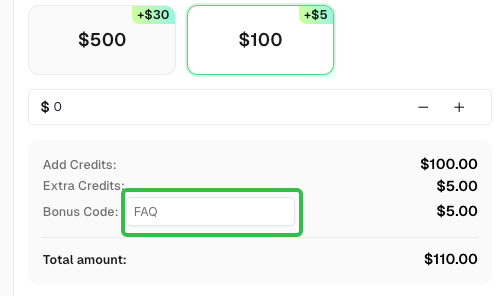
Use code
FAQwhen signing up at CapSolver to receive an additional 5% bonus on your recharge.
CapSolver FAQ — capsolver.com