
How Are Proxy Speed and Success Rate Benchmarks Conducted?
Answer
Proxy speed and success rate are typically measured by sending multiple HTTP requests through proxies and recording response time and success status. Tools like Python’s requests library are used to simulate real traffic, while metrics such as average latency and HTTP 200 success rate determine performance reliability.
Detailed Explanation
Benchmarking proxy performance involves simulating real-world usage through automated scripts that send repeated requests to a stable target endpoint. Each request is timed from the moment it is sent until a response is received, producing a latency or response time metric. This reflects the proxy’s network efficiency, including routing delays and server processing time.
Success rate is calculated by dividing the number of successful responses (typically HTTP 200 with valid content) by the total number of requests. Modern testing frameworks often execute hundreds or thousands of requests per proxy to ensure statistical reliability. For example, sending 500 sequential requests and averaging the total duration provides a stable estimate of response time, while also capturing failure patterns.
To ensure fairness, tests are usually conducted under controlled conditions: consistent endpoints, identical request volumes, and geographic alignment between proxy location and target server. Advanced benchmarks may also include metrics like percentile latency (P95/P99), IP rotation diversity, and uptime stability.
Solutions / Methods
- Automated Python-based testing:Use scripts with libraries like
requestsandtimeto send repeated requests, log response times, and calculate average latency and success rate. - Multi-metric benchmarking:Incorporate additional indicators such as median latency, failure rate, and IP diversity to gain a more realistic view of proxy performance across different scenarios.
- Handling CAPTCHA and security management systems:When testing against protected websites, failed requests may result from CAPTCHA challenges rather than proxy issues. Solutions like CapSolver can help solve captcha barriers, ensuring that success rate measurements reflect proxy quality rather than security management interference.
Best Practice / Tips
- Always test proxies against multiple target websites to avoid biased results.
- Run tests at different times of day to account for network variability.
- Validate response content, not just HTTP status codes, to avoid counting blocked pages as successful requests.
- Use rotating sessions to simulate real scraping or automation workflows.
👉 Related:
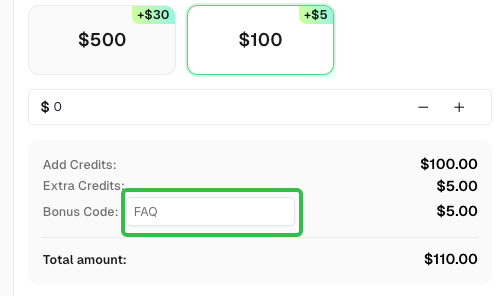
Use code
FAQwhen signing up at CapSolver to receive an additional 5% bonus on your recharge.
CapSolver FAQ — capsolver.com