Which Proxy Ports Should You Use for Scraping and Automation?
Answer
The proxy port you should use depends on the protocol: HTTP typically uses ports like 80 or 8080, HTTPS uses 443, and SOCKS proxies commonly use 1080. Some providers also offer custom high ports. The correct choice depends on your use case, security needs, and target website behavior.
Detailed Explanation
A proxy port is the communication endpoint that routes your traffic through a proxy server. It works alongside the proxy IP address to determine how requests are forwarded and processed. Different ports correspond to different protocols and behaviors, which directly impact scraping performance, anonymity, and compatibility.
For example, HTTP proxies typically operate on ports such as 80, 8080, or 3128, handling standard web traffic. HTTPS proxies use port 443 to encrypt data via TLS, making them essential for interacting with modern secure websites. SOCKS proxies-especially SOCKS5-commonly use port 1080 and can handle a broader range of traffic types beyond HTTP, including TCP and UDP connections.
In real-world scraping and automation, proxy providers often assign dynamic or high-numbered ports (e.g., 10000+) to manage sessions, geolocation routing, or load balancing. These ports are not arbitrary-they may represent specific configurations like sticky sessions or rotating IP pools. Choosing the wrong port can result in connection failures, blocked requests, or triggering security management systems such as CAPTCHA challenges.
Solutions / Methods
- Select ports based on protocol type:Use port 80 or 8080 for HTTP traffic, 443 for secure HTTPS requests, and 1080 for SOCKS5 when you need flexibility across different protocols or applications.
- Match port configuration with your scraping stack:Ensure your tools (e.g., Puppeteer, Selenium, or HTTP clients) support the selected proxy protocol and port. Incorrect combinations can cause timeouts or connection errors.
- Combine proxies with CAPTCHA-solving solutions:When accessing protected sites, even correct port usage may not prevent blocks. Solutions like CapSolver can help automate CAPTCHA solving and improve request success rates when paired with properly configured proxies.
Best Practice / Tips
- Prefer HTTPS (port 443) for secure and modern websites to avoid detection risks.
- Use SOCKS5 (port 1080) for advanced automation or multi-protocol scraping tasks.
- Avoid hardcoding ports-many providers rotate ports dynamically for better anti-detection.
- Monitor response codes (e.g., 403, 429) to detect misconfigured ports or blocked traffic early.
👉 Related:
CapSolver FAQ — capsolver.com
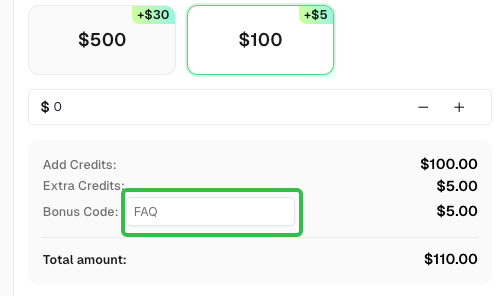
Use code
FAQwhen signing up at CapSolver to receive an additional 5% bonus on your recharge.