How to scrape JavaScript-heavy websites efficiently?
Answer
To scrape JavaScript-heavy websites efficiently, you can leverage browser automation tools like Playwright, Selenium, and Puppeteer. These frameworks allow you to execute JavaScript in a real browser environment, enabling you to access dynamic content that would otherwise be inaccessible through traditional web scraping methods.
Detailed Explanation
JavaScript-heavy websites are those where the initial HTML document returned by the server does not contain the actual data to collect. Instead, the content is dynamically fetched and rendered by JavaScript in the user's browser. This presents a challenge for traditional web scraping methods, which rely on parsing static HTML documents.
Browser automation tools address this issue by allowing you to write scripts that launch and control web browsers, executing the necessary JavaScript to fully render the page. By accessing the rendered DOM (Document Object Model), you can extract the data you need using standard HTML element selection and data extraction APIs provided by these tools.
When dealing with JavaScript-heavy websites, it's essential to understand the underlying mechanisms driving dynamic content rendering. This includes identifying the types of interactions that trigger new content loading, such as user-driven actions or asynchronous data fetching via AJAX calls.
Solutions / Methods
- Wait for DOM Parsing: Use a library like Puppeteer to wait for the DOM parsing to complete before attempting to extract data. This can be achieved by setting a timeout or using an event listener to detect when the page is fully loaded.
- Integrate Dedicated CAPTCHA Solving APIs: When encountering CAPTCHAs, integrate dedicated CAPTCHA solving services like CapSolver into your script to solve this obstacle. This ensures that your scraper can proceed without being blocked by security management systems.
Best Practice / Tips
To implement the most effective solution, use a combination of residential proxies with automatic User-Agent rotation and set page.setRequestInterception(true) to block unnecessary resources. This setup will help you avoid being detected by security management systems while ensuring that your scraper can access dynamic content.
👉 Related:
- Web Scraping in Node.js: Async Guide
- Web Scraping Challenges and How to Solve
- Web Scraping Without Getting Blocked
- Web Scraping with Cheerio: Node.js + CAPTCHA
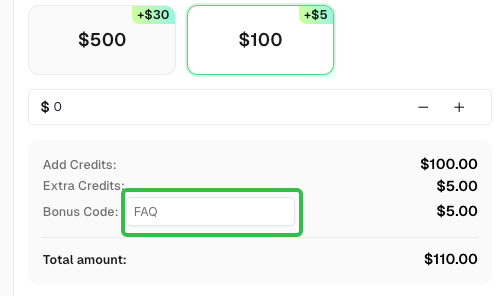
Use code
FAQwhen signing up at CapSolver to receive an additional 5% bonus on your recharge.
CapSolver FAQ — capsolver.com