What Is HTTP 444 Status Code and How to Avoid It in Web Scraping?
Answer
HTTP 444 is a non-standard status used by servers to silently close a connection without returning any response. It typically indicates that the request was blocked due to suspicious behavior, such as aggressive scraping or invalid headers. Avoiding it requires improving request quality, reducing detection signals, and mimicking real user traffic.
Detailed Explanation
The HTTP 444 status code is not part of official HTTP specifications but is commonly used by Nginx-based servers to terminate connections without sending any data back to the client. Instead of returning a standard error response, the server simply drops the connection, making debugging more difficult.
This behavior is typically intentional and tied to server-side security rules. When a request matches suspicious patterns-such as high-frequency traffic, malformed headers, or bot-like behavior-the server may treat it as a threat and block it instantly. In web scraping scenarios, repeated automated requests from a single IP or unnatural request patterns are common triggers.
Unlike traditional HTTP errors, a 444 response provides no feedback to the client. This makes it particularly challenging for developers, as the only indication is a dropped connection. It is often used as part of security management or firewall strategies to prevent abuse, scraping, or malicious traffic without exposing server logic.
Solutions / Methods
- Optimize request behavior:Reduce request frequency, introduce delays, and avoid sending bursts of traffic from a single IP. Human-like interaction patterns significantly lower the chance of triggering server-side blocking rules.
- Improve headers and fingerprinting:Ensure that headers such as User-Agent, Accept, and cookies closely resemble real browser requests. Inconsistent or missing headers are common signals used to detect bots.
- Use proxies and captcha solving services:Rotating IP addresses and distributing traffic across residential or mobile proxies helps avoid rate limits. Additionally, solutions like CapSolver can assist in handling CAPTCHA challenges and security management systems that often precede or trigger 444 responses.
Best Practice / Tips
- Monitor server responses and logs to identify patterns leading to 444 errors
- Combine proxy rotation with session persistence to simulate real users
- Use headless browsers with stealth configurations to reduce detection risk
- Integrate adaptive retry logic instead of aggressive request loops
👉 Related:
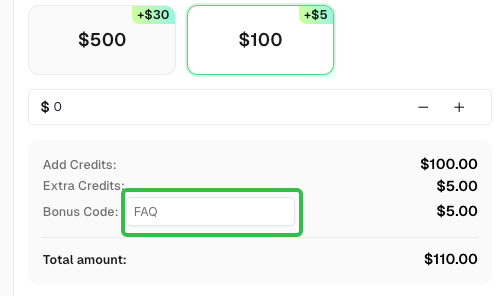
Use code
FAQwhen signing up at CapSolver to receive an additional 5% bonus on your recharge.
CapSolver FAQ — capsolver.com