HTTP 499 Error (Client Closed Request): How to Avoid It
Answer
HTTP 499 (Client Closed Request) occurs when the client terminates the connection before the server finishes processing the request. It is commonly seen in NGINX-based systems, proxy networks, and web scraping pipelines when timeouts, latency, or request cancellations occur prematurely.
Detailed Explanation
The HTTP 499 status code is a non-standard response used mainly by NGINX and similar reverse proxy systems to indicate that the client closed the connection before a response could be delivered. Unlike typical HTTP errors such as 4xx or 5xx codes, 499 does not reflect a server-side failure but rather a premature termination of the request lifecycle by the client or an upstream component. According to technical definitions, this can happen when a browser tab is closed, a script aborts a request, or an API client times out while waiting for a slow response.
In proxy-heavy environments or high-concurrency scraping systems, this issue becomes more frequent. Network latency, slow upstream processing, overloaded proxies, or aggressive timeout settings can all contribute to the client abandoning the request before completion. In many cases, the server is still processing data when the connection is already dropped, resulting in a logged 499 status code. This makes debugging challenging because the failure is not always caused by a direct server error but by timing mismatches between client expectations and server response time.
Solutions / Methods
- Increase client timeout thresholds: Adjust request timeout settings in HTTP clients, browsers, or scraping scripts to ensure long-running responses are not aborted prematurely.
- Optimize network and proxy stability: Use high-quality proxy infrastructure with low latency and consistent connectivity. Poor proxy performance is a common trigger for 499 errors in distributed scraping systems.
- Implement intelligent request handling with captcha-solving support: When requests are blocked or delayed by security management systems (e.g., Cloudflare, reCAPTCHA, or similar protections), automated solutions such as CapSolver can help maintain request continuity by resolving challenges without forcing client-side abortion.
Best Practice / Tips
To minimize HTTP 499 occurrences in production systems, it is important to balance request concurrency with response time expectations. Avoid overly aggressive retry logic, monitor upstream latency, and implement proper request queuing. In scraping or automation scenarios, combining stable proxy rotation with adaptive request pacing significantly reduces premature disconnects and improves overall success rates.
👉 Related:
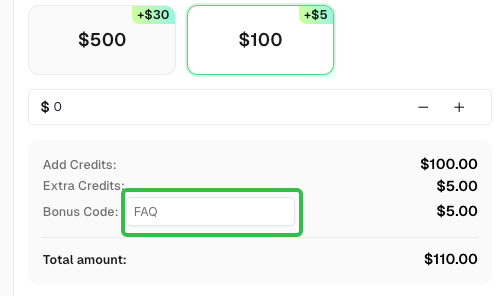
Use code
FAQwhen signing up at CapSolver to receive an additional 5% bonus on your recharge.
CapSolver FAQ — capsolver.com