
What is request rate limiting and how to solve it?
Answer
Request rate limiting is a technique used by websites to control how often a user (or bot) can access their server in a given time frame. It's like a speed limit for your web scraper, preventing abuse and reducing server strain. To solve request rate limiting, you need to understand its mechanisms and root causes.
Detailed Explanation
Request rate limiting works by tracking identifiers like IP addresses or user accounts and counting how many requests come from that ID in a given time window. If the count exceeds the threshold, it either delays or blocks your next request. Some servers use simple timestamp-based systems, while others employ more advanced models like token buckets or sliding windows. These mechanisms analyze how your scraper behaves, including things like TLS fingerprints and headers.
Solutions / Methods
- Rotate IP Addresses: Use a pool of proxies and rotate between them to avoid getting rate-limited or blocked. Each proxy handles a small number of requests, so none of them get flagged.
- Add Random Delays: Introduce random delays between requests to make your scraper look more human-like. This can be achieved using libraries like Selenium or Scrapy with the built-in
time.sleep()function.
Best Practice / Tips
To effectively implement IP rotation, use a combination of residential proxies with automatic User-Agent rotation. Set up your proxy pool to handle requests from different locations and switch between them regularly. Additionally, consider using a CAPTCHA solving service like CapSolver to solve reCAPTCHA challenges.
👉 Related:
- solve reCAPTCHA v2: Technical Strategies
- Cloudflare Scraping: solve Strategies
- solve reCAPTCHA v2 with Python: Tutorial
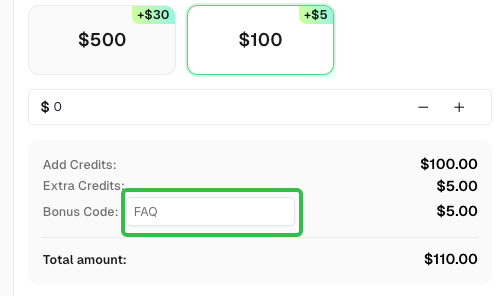
Use code
FAQwhen signing up at CapSolver to receive an additional 5% bonus on your recharge.
CapSolver FAQ — capsolver.com