
How Authentication Works in Python Requests (Basic Auth, Token & Proxy Login) - CapSolver FAQ
Answer
Authentication in Python requests is handled by sending credentials through headers, parameters, or built-in auth utilities like Basic Auth or token-based headers. It ensures only authorized users can access protected APIs or web resources.
Detailed Explanation
In HTTP-based systems, authentication is a mechanism that verifies the identity of a client before granting access to protected resources. The Python requests library simplifies this process by allowing developers to attach credentials directly to outgoing requests.
One of the simplest methods is Basic Authentication, where a username and password are encoded and sent via the Authorization header. This is commonly used in internal APIs or simple protected endpoints. More modern systems use token-based authentication, where an API key or bearer token is included in the header instead of raw credentials.
In more complex systems such as scraping APIs or proxy networks, authentication can also involve signed headers, session cookies, or proxy credentials embedded in the request URL. For example, proxy authentication requires combining username and password within the proxy endpoint to route traffic securely through intermediary servers. These patterns are widely used in web automation and data extraction workflows.
Solutions / Methods
- Basic Authentication (HTTP Auth): Use built-in authentication classes like
HTTPBasicAuthin requests to pass username and password securely during API calls. - Token / API Key Authentication: Include a bearer token in the request header (e.g.,
Authorization: Bearer YOUR_TOKEN) to access modern REST APIs without exposing raw credentials. - Proxy or Gateway Authentication: Embed credentials in proxy configuration or headers when routing traffic through external networks. In web scraping scenarios, advanced security management systems may require rotating proxies and session-based authentication. Solutions like CapSolver can help when authentication flows are combined with CAPTCHA or security challenges during automated requests.
Best Practice / Tips
Always prefer token-based authentication over sending raw credentials directly in requests, as it improves security and revocation control. Use requests.Session() to persist cookies and headers across multiple calls. When working with large-scale scraping or protected endpoints, combine proper authentication with anti-detection strategies such as rotating IPs and solving verification challenges.
👉 Related:
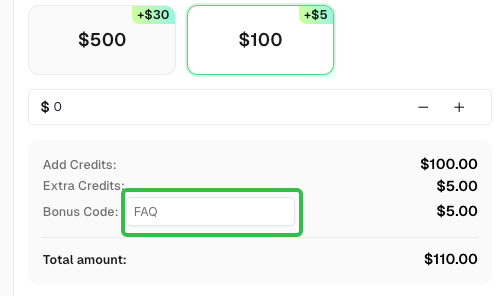
Use code
FAQwhen signing up at CapSolver to receive an additional 5% bonus on your recharge.
CapSolver FAQ - capsolver.com