
How to Fix HTTP 407 Proxy Authentication Required Error
Answer
HTTP 407 Proxy Authentication Required occurs when a request passes through a proxy server that demands valid authentication credentials. The request is blocked because missing, incorrect, or unsupported proxy authentication prevents access to the target resource until proper credentials are provided.
Detailed Explanation
The 407 status code is generated by a proxy layer, not the origin server, and it indicates that the client must authenticate before the proxy will forward traffic. This typically happens in corporate networks, scraping environments, or automated systems using intermediary proxies for traffic routing or anonymity.
When a client sends a request through a proxy, the proxy may respond with a Proxy-Authenticate header specifying the required authentication method such as Basic, NTLM, or Digest. The client must then resend the request with a valid Proxy-Authorization header. If credentials are missing, expired, or incorrectly formatted, the proxy returns a 407 error instead of forwarding the request. This mechanism is similar to HTTP 401 but applies specifically to proxy servers rather than origin servers.
In modern web scraping and automation workflows, 407 errors are often triggered by misconfigured proxy pools, invalid credentials, or mismatched authentication schemes. In some cases, security management systems or network security layers can indirectly enforce proxy authentication requirements, especially in enterprise environments where outbound traffic is tightly controlled.
Solutions / Methods
- Verify proxy credentials: Ensure username, password, host, and port are correctly configured. Even a small typo can trigger repeated authentication failures.
- Match authentication method: Confirm whether the proxy requires Basic, NTLM, or another authentication scheme and configure the client accordingly to avoid header mismatch issues.
- Use automated handling tools: In large-scale scraping or automation pipelines, solutions like CapSolver can help stabilize workflows by reducing interruptions caused by downstream verification challenges and improving request continuity in protected environments.
Best Practice / Tips
Always validate proxy configurations in a minimal test environment before scaling requests. Rotate credentials securely, avoid hardcoding sensitive proxy data, and implement logging for failed authentication attempts. When working with protected or bot-sensitive targets, combine proper proxy setup with resilient automation strategies to reduce failure rates and maintain stable throughput.
👉 Related:
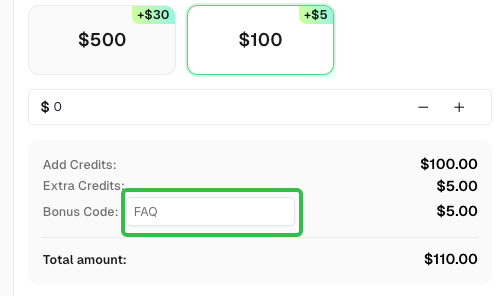
Use code
FAQwhen signing up at CapSolver to receive an additional 5% bonus on your recharge.
CapSolver FAQ - capsolver.com