
How to Avoid HTTP 305 Proxy Error in Web Scraping and Proxy Requests
Answer
HTTP 305 error occurs when a server requires the client to access a resource through a specified proxy. To avoid it, ensure correct proxy configuration, follow server routing rules, and avoid direct access attempts to proxy-restricted endpoints during automated requests.
Detailed Explanation
The HTTP 305 status code (“Use Proxy”) is a rare but explicit instruction from a web server indicating that the requested resource must be accessed through a proxy defined in the response headers. Unlike typical client or server errors, this response is part of HTTP redirection logic and is tied to network routing policies rather than application bugs.
This behavior is often triggered when target servers enforce proxy-based access for security, traffic control, or internal routing constraints. In web scraping scenarios, it may appear when requests handle required proxy layers or when the scraping environment conflicts with expected network paths. As modern infrastructures evolve, misaligned proxy configurations or inconsistent request routing can increase the likelihood of encountering this status code.
Solutions / Methods
- Validate proxy routing configuration: Ensure your scraping tool is correctly configured to use the required proxy endpoints, including authentication, ports, and session handling. Misconfiguration is a common trigger for 305 responses.
- Align request flow with server expectations: Some endpoints explicitly require proxy-mediated access. Adjust your HTTP client so requests comply with these routing rules instead of handling them.
- Use automated anti-blocking infrastructure: For large-scale scraping, integrating intelligent proxy management and CAPTCHA handling services such as CapSolver can help maintain stable access patterns and reduce proxy-related failures caused by protection layers or routing restrictions.
Best Practice / Tips
When working with proxy-dependent systems, always test requests using isolated endpoints before scaling traffic. Maintain session consistency for sticky proxies, rotate IPs when necessary, and log all HTTP response headers for debugging. Combining structured proxy management with adaptive automation reduces the risk of encountering routing-specific HTTP errors.
👉 Related:
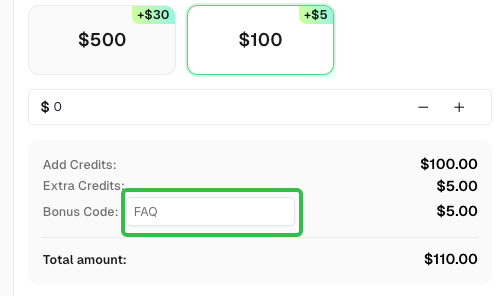
Use code
FAQwhen signing up at CapSolver to receive an additional 5% bonus on your recharge.
CapSolver FAQ — capsolver.com