
How Versioning Works for Public Actors in Cloud Automation Platforms
Answer
Versioning of public Actors is a structured way to manage updates using semantic version numbers, builds, and tags such as latest or beta. It ensures that users can safely run stable versions while developers continuously release improvements or changes without breaking existing integrations.
Detailed Explanation
Public Actors in cloud automation systems are typically packaged as versioned builds, where each build represents a snapshot of code, dependencies, and runtime configuration. These builds follow semantic versioning patterns like MAJOR.MINOR.BUILD, allowing controlled evolution of functionality.
Each Actor version can be associated with tags (for example, latest, beta, or custom labels), which point to specific builds. When users execute an Actor without specifying a version, they usually run the build mapped to the default tag. This mechanism ensures flexibility while preserving backward compatibility for existing workflows.
In public environments, versioning is critical because external users depend on stable interfaces. Developers must carefully manage non-breaking updates (bug fixes, optimizations) within the same version series, while breaking changes require a new major or minor version. This separation prevents unexpected failures in automation pipelines and API-based integrations.
Solutions / Methods
- Semantic versioning strategy: Use structured version numbers (MAJOR.MINOR) to differentiate breaking and non-breaking changes, ensuring predictable evolution of Actor behavior.
- Build tagging system: Assign tags such as latest or stable to specific builds so users can control whether they want cutting-edge updates or fixed versions.
- External compatibility protection: Before releasing breaking updates, maintain parallel versions or forked branches so existing users are not impacted by interface changes.
Best Practice / Tips
- Always document version changes in a changelog to help users understand updates.
- Avoid modifying input/output schemas in minor updates unless absolutely necessary.
- Test new builds using historical versions to ensure backward compatibility before publishing publicly.
👉 Related:
Use code
FAQwhen signing up at CapSolver to receive an additional 5% bonus on your recharge.
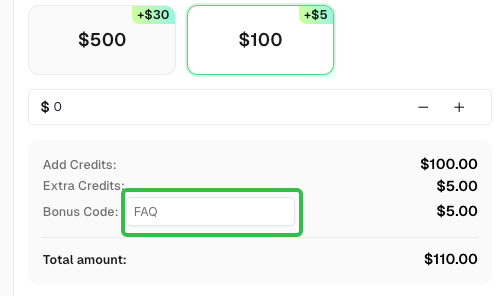
CapSolver FAQ — capsolver.com