🎉NEWCapSolver for AI agents-MCP, agent tools, and SDK integrations

Sora Fujimoto
AI Solutions Architect
Published Jun 18, 2026
Updated Jun 18, 2026 · min read
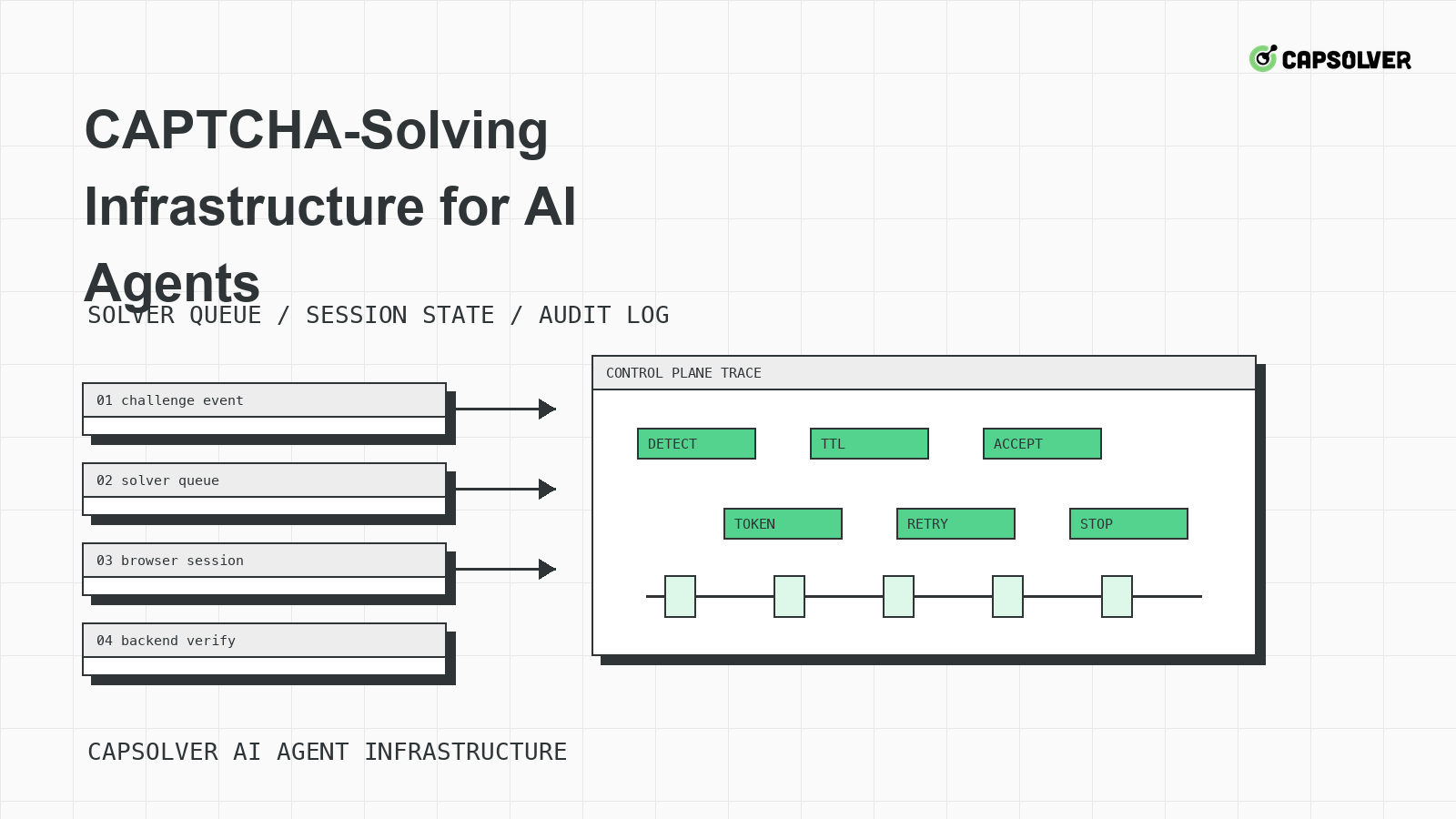
CAPTCHA-solving infrastructure for AI agents is a state-management problem before it is a solver-selection problem. CapSolver can support approved challenge handling, but the durable architecture is built around queues, browser continuity, cooldowns, and verifiable outcomes. The agent should never treat a solved widget as the same thing as a completed workflow. It should know which protected action is being resumed, which session owns it, and when the run must stop. That framing keeps CAPTCHA-solving infrastructure for AI agents useful for lawful automation without hiding access decisions inside retries.
CAPTCHA-solving infrastructure for AI agents should be decomposed into detection, dispatch, consumption, and verification. Detection decides that a protected state exists. Dispatch sends only the required challenge parameters to an approved solver path. Consumption applies the result in the same browser or protocol session that rendered the challenge. Verification confirms that the target application accepted the protected request. These are different contracts, and combining them makes failures look random.
The detection layer should emit a small typed event: challenge_detected, provider family, page URL, protected action, correlation ID, and evidence such as status code or widget presence. It should not pass full HTML into every agent prompt by default. MDN explains HTTP 403 Forbidden as an access refusal, so a 403 event must be labeled differently from an interactive CAPTCHA widget. CAPTCHA-solving infrastructure for AI agents becomes safer when the planner sees review_required or cooldown_required instead of guessing from screenshots.
The consumption layer should attach a solver result to exactly one protected attempt. Keep the same browser context, cookies, storage, proxy route, user-agent family, and form state from challenge rendering to protected submission. The WHATWG model for form data construction is a useful reminder that the browser submits the current control state, not the state the agent remembers from three steps ago. A solved result can fail if a framework rerenders the hidden field, if the form action changes, or if a new tab consumes the session.
The solver queue should decide whether a task is eligible for challenge handling. It is not only a message pipe. CAPTCHA-solving infrastructure for AI agents needs queue-level rules for domain permissions, route health, challenge budgets, duplicate attempts, and priority. A queue that accepts every repeated challenge from a planner can amplify a broken run.
The queue record should include the correlation ID, agent ID, domain, account class, route pool, challenge family, protected action, first-seen timestamp, and maximum attempts. CapSolver's AI browser CAPTCHA solver discussion is useful when deciding where challenge handling fits in a browser-centered workflow. CapSolver's CAPTCHA-solving API availability also helps teams frame solver dispatch as a service boundary rather than a hidden prompt instruction.
Before dispatching a new solver job, compare the challenge event with the latest unfinished attempt for the same protected action. If the URL, session ID, form fingerprint, and correlation ID match, the queue should reuse the pending attempt or stop after the budget is reached. This avoids paying for multiple answers to the same stale page. It also prevents an agent from submitting a protected form repeatedly while the first answer is still pending.
protected_action_contract:
  correlation_id: "agent-run-2026-06-18-001"
  allowed_domain: "example.com"
  protected_action: "submit_public_form"
  max_challenge_attempts: 1
  duplicate_window_seconds: 180
  stop_on_status: [403, 401]
  cooldown_on_status: [429, 503]
  solver_reference: "https://docs.capsolver.com/en/guide/api-tasktype/"
This configuration is a local control-plane example, not a CapSolver API request. It belongs near the queue or workflow engine. The solver_reference points engineers to CapSolver's official task-type documentation so they choose documented task families instead of inventing fields. The stop condition is the important part: if a hard refusal appears or the attempt budget is exhausted, the agent should preserve evidence and stop.
Session persistence should be implemented by the runtime, not left to the model. CAPTCHA-solving infrastructure for AI agents should persist cookies, local storage, route selection, viewport class, locale, and account state as a named session object. The agent can request a protected action, but the runtime should decide whether the session is coherent enough to continue.
RFC 6265 defines HTTP cookie state management, including domain and path scope. That matters when a challenge is rendered on one subdomain and the protected action posts to another. CapSolver's session persistence guidance gives a practical vocabulary for keeping cookies and browser state stable in automation. A CAPTCHA-solving infrastructure for AI agents should log storage snapshots only in safe, redacted form so teams can debug continuity without exposing private data.
Rate gates should run before a browser opens. If the domain, route pool, or account is cooling down, the agent should not load another challenge page just to discover the same limit. MDN describes HTTP 429 Too Many Requests as a rate-limit signal, and RFC 9110 defines Retry-After response timing for server-directed waiting. CAPTCHA-solving infrastructure for AI agents should convert those signals into shared cooldown keys, not local sleep calls.
The gate should store cooldowns by domain, path class, route pool, account class, and task type. CapSolver's HTTP 429 rate limits material supports the same operational principle: reduce pressure before repeating requests. For agent fleets, the gate must be shared across workers. Otherwise one worker stops politely while another worker immediately starts the same task.
Redeem Your CapSolver Bonus Code
Boost your automation budget instantly!
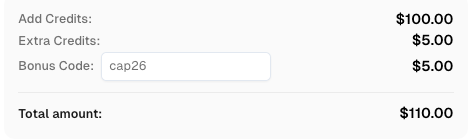
Use bonus code CAP26 when topping up your CapSolver account to get an extra 5% bonus on every recharge — with no limits.
Redeem it now in your CapSolver Dashboard
Agents need outcome labels that map to infrastructure actions. A vague message such as "captcha failed" is not enough. Use labels such as challenge_solved_backend_rejected, challenge_solved_action_completed, rate_limited_cooldown_started, route_refused_review_required, and budget_exhausted. These labels help the planner choose the next step without interpreting raw HTML.
A safe run record should include the task owner, lawful purpose, allowed domain, correlation ID, status history, route class, challenge family, attempt count, solver queue decision, protected request result, and stop reason. Do not store passwords, raw account tokens, private records, or full personal data payloads in normal logs. OWASP's automated threat taxonomy is a useful external reference because it explains why repeated automated actions can become risky. CAPTCHA-solving infrastructure for AI agents should make responsible stops observable.
Validation should replay one protected action end to end. The replay proves that the detector fired once, the solver queue accepted or denied correctly, the same session consumed the result, the protected request was accepted, and no duplicate side effect occurred. CapSolver's agentic browser CAPTCHA workflow gives context for browser-agent workflows, while the replay validates your own infrastructure.
Do not declare the system fixed because a widget disappeared. Declare it fixed when the application outcome is correct and the run record shows no hidden retries. For form workflows, verify that one source item created one submit. For data workflows, verify that the collected data is allowed, public, and expected. For account workflows, verify that the site owner or internal policy permits the automation. CAPTCHA-solving infrastructure for AI agents is reliable only when completion, compliance, and evidence agree.
The control plane should behave like an incident system when a protected workflow fails. Each challenge event needs an owner, severity, evidence packet, and final disposition. Low-severity events may be ordinary public-form friction. High-severity events include repeated access refusals, account lock warnings, private-data prompts, or a sudden rise in challenge rate across a route pool. CAPTCHA-solving infrastructure for AI agents should classify these events before spending additional attempts.
Use three triage questions. First, is the task allowed under policy and site terms? Second, did the same session that rendered the challenge consume the result? Third, did the backend accept the protected action once? If any answer is no, the incident should move to review or stop rather than another solver job. This keeps the control plane from treating permission, session, and application failures as the same defect.
Incident notes should also feed future planner context. If a domain was stopped for unclear authorization, the next agent run should start from that known stop state. If a route pool was cooling down, the next worker should see the shared cooldown before loading a browser. This memory makes CAPTCHA-solving infrastructure for AI agents less reactive and more predictable. It also gives compliance reviewers a clear account of why the system continued, waited, or stopped.
The incident system should produce weekly infrastructure signals. Review the domains with the highest challenge rate, the protected actions with the most backend rejections, and the route pools with the most cooldowns. Then decide whether to reduce concurrency, improve session handling, change the workflow, or remove the task from automation. This review keeps CAPTCHA-solving infrastructure for AI agents aligned with real operating evidence instead of isolated solver metrics.
Give finance and operations the same view. Solver spend should be tied to accepted protected actions, not only created tasks. When spend rises without better completion, the control plane is signaling architecture debt.
The weekly review should close with one concrete action: reduce traffic, fix state handling, update the eligibility rule, or retire the workflow. Without an owner and action, the same challenge pattern will return.
CAPTCHA-solving infrastructure for AI agents should be built as a controlled service layer: typed detection, documented solver dispatch, session-bound consumption, shared rate gates, and application-level verification. The architecture should spend fewer attempts, not more, and it should stop on refusals, unclear permission, or exhausted budgets. For lawful automation teams that need approved challenge support inside a disciplined runtime, CapSolver can operate the challenge layer while your infrastructure owns state and policy.
It is the service layer that detects challenges, sends eligible jobs to a solver path, keeps browser state coherent, applies results to the correct protected request, and records the final application outcome.
The queue should reject duplicate attempts, hard refusals, unclear permissions, exhausted budgets, and cooled-down routes. A solver queue that accepts every repeated event can make one broken agent run much worse.
No. The protected request still needs to be accepted by the application, and the intended business action must complete once. The widget state is only one checkpoint.
Log purpose, allowed domain, correlation ID, status sequence, route class, challenge family, attempt count, queue decision, cooldown decision, protected request result, and final stop reason. Keep secrets and private data out of ordinary debug logs.
Sora Fujimoto
AI Solutions Architect
Connecting agents, browsers, and APIs into one workflow.
ABOUT THE AUTHOR
Find CapSolver MCP in the Official MCP Registry, install version 0.1.3 with uvx or pip, configure a local client, and verify the stdio tools.

Add CAPTCHA tools to Pydantic AI using the official CapSolver adapter, test tool execution locally, and handle typed inputs and structured solver results.