🎉NEWCapSolver for AI agents-MCP, agent tools, and SDK integrations

Lucas Mitchell
Automation Engineer
Published Sep 12, 2024
Updated Sep 10, 2024 · min read

When performing web scraping, one of the common obstacles you might encounter is CAPTCHA challenges. Websites often use CAPTCHAs to prevent bots from accessing their content. CAPTCHA (Completely Automated Public Turing test to tell Computers and Humans Apart) is a widely-used technique to ensure that the user is human, not an automated bot.
In this guide, we’ll discuss different types of reCAPTCHA challenges, how to identify them using tools, and finally, how to solve multiple reCAPTCHA challenges concurrently using Python and threading.
WebScraping is the process of extracting data from websites. It is often used for tasks such as collecting prices from e-commerce websites, gathering news articles, or aggregating information from various web sources. Scraping involves making HTTP requests to a website and parsing the data from the response. However, many websites use CAPTCHAs to prevent automated access.
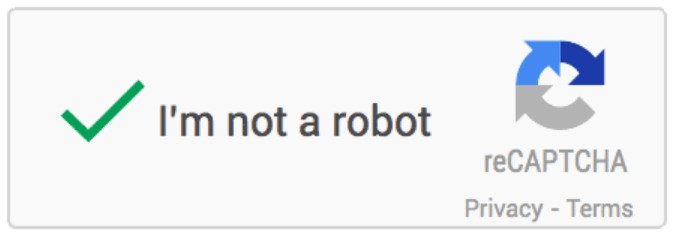
reCAPTCHA V2, this type of CAPTCHA is the most widely used and appears as a "checkbox" challenge labeled "I'm not a robot." It might ask the user to select certain images to verify they are human.
reCAPTCHA V3 works in the background, scoring user interactions to detect bot-like behavior. This system is designed to avoid disrupting the user experience by providing a score to the website, which can be used to block bots or require additional verification steps.
Invisible reCAPTCHA is a more user-friendly version of reCAPTCHA v2, where the challenge only appears if the system suspects bot-like behavior.

To identify the type of CAPTCHA being used on a website, you can use the following tools:
Capsolver is a service that allows you to solve CAPTCHA challenges programmatically. To detect CAPTCHA parameters:

Once you've set up Capsolver, follow these steps to detect CAPTCHA parameters:
The Capsolver Captcha Detector can return detailed information about reCAPTCHAs:

Key Parameters for reCAPTCHA:
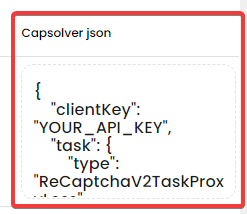
Website URLSite KeypageActionisInvisibleisEnterpriseisSRequiredisReCaptchaV3API DomainOnce these parameters are detected, Capsolver will return a JSON object with all the necessary details to submit the CAPTCHA to their service.
When working on web scraping projects, solving CAPTCHAs can become time-consuming, especially when you need to solve multiple CAPTCHAs simultaneously. Here's how you can automate solving multiple reCAPTCHA challenges concurrently using Python.
import capsolver
import threading

capsolver.api_key = "Your Capsolver API Key"
PAGE_URL = "PAGE_URL"
PAGE_KEY = "PAGE_SITE_KEY"

def solve_recaptcha_v2():
    solution = capsolver.solve({
        "type": "ReCaptchaV2TaskProxyless",
        "websiteURL": PAGE_URL,
        "websiteKey": PAGE_KEY,
    })
    return solution

def solve_recaptcha_task(result_list, index):
    result = solve_recaptcha_v2()
    result_list[index] = result

def solve_multiple_recaptchas(num_tasks):
    threads = []
    results = [None] * num_tasks

    for i in range(num_tasks):
        thread = threading.Thread(target=solve_recaptcha_task, args=(results, i))
        threads.append(thread)
        thread.start()

    for thread in threads:
        thread.join()

    return results

def main():
    num_tasks = 10  # Number of simultaneous tasks
    print(f"Solving {num_tasks} reCaptcha v2 tasks simultaneously")
    solutions = solve_multiple_recaptchas(num_tasks)
    for i, solution in enumerate(solutions):
        print(f"Solution {i+1}: {solution}")

if __name__ == "__main__":
main()The process for solving reCAPTCHA v3 is quite similar to v2, but you'll need to adjust the CAPTCHA type accordingly.
```python
import capsolver
import threading

capsolver.api_key = "Your Capsolver API Key"
PAGE_URL = "PAGE_URL"
PAGE_KEY = "PAGE_SITE_KEY"

def solve_recaptcha_v3():
    solution = capsolver.solve({
        "type": "ReCaptchaV3TaskProxyless",
        "websiteURL": PAGE_URL,
        "websiteKey": PAGE_KEY,
    })
    return solution

def solve_recaptcha_task(result_list, index):
    result = solve_recaptcha_v3()
    result_list[index] = result

def solve_multiple_recaptchas(num_tasks):
    threads = []
    results = [None] * num_tasks

    for i in range(num_tasks):
        thread = threading.Thread(target=solve_recaptcha_task, args=(results, i))
        threads.append(thread)
        thread.start()

    for thread in threads:
        thread.join()

    return results

def main():
    num_tasks = 10  # Number of simultaneous tasks
    print(f"Solving {num_tasks} reCaptcha v3 tasks simultaneously")
    solutions = solve_multiple_recaptchas(num_tasks)
    for i, solution in enumerate(solutions):
        print(f"Solution {i+1}: {solution}")

if __name__ == "__main__":
main()The process for solving reCAPTCHA v3 is quite similar to v2, but you'll need to adjust the CAPTCHA type accordingly.
```python
import capsolver
import threading

capsolver.api_key = "Your Capsolver API Key"
PAGE_URL = "PAGE_URL"
PAGE_KEY = "PAGE_SITE_KEY"

def solve_recaptcha_v3():
    solution = capsolver.solve({
        "type": "ReCaptchaV3TaskProxyless",
        "websiteURL": PAGE_URL,
        "websiteKey": PAGE_KEY,
    })
    return solution

def solve_recaptcha_task(result_list, index):
    result = solve_recaptcha_v3()
    result_list[index] = result

def solve_multiple_recaptchas(num_tasks):
    threads = []
    results = [None] * num_tasks

    for i in range(num_tasks):
        thread = threading.Thread(target=solve_recaptcha_task, args=(results, i))
        threads.append(thread)
        thread.start()

    for thread in threads:
        thread.join()

    return results

def main():
    num_tasks = 10  # Number of simultaneous tasks
    print(f"Solving {num_tasks} reCaptcha v3 tasks simultaneously")
    solutions = solve_multiple_recaptchas(num_tasks)
    for i, solution in enumerate(solutions):
        print(f"Solution {i+1}: {solution}")

if __name__ == "__main__":
main()import capsolver
# Consider using environment variables for sensitive information
capsolver.api_key = "Your Capsolver API Key"
PAGE_URL_V2 = "PAGE_URL"
PAGE_KEY_V2 = "PAGE_SITE_KEY"
PAGE_URL_V3 = "PAGE_URL"
PAGE_KEY_V3 = "PAGE_SITE_KEY"
def solve_recaptcha_v2(url, key):
solution = capsolver.solve({
"type": "ReCaptchaV2TaskProxyless",
"websiteURL": url,
"websiteKey": key,
})
return solution
def solve_recaptcha_v3(url, key):
solution = capsolver.solve({
"type": "ReCaptchaV3TaskProxyless",
"websiteURL": url,
"websiteKey": key,
"minScore": 0.5 # Adjust the minimum score if needed
})
return solution
def main():
print("Solving reCaptcha v2")
solution_v2 = solve_recaptcha_v2(PAGE_URL_V2, PAGE_KEY_V2)
print("Solution (v2): ", solution_v2)
print("Solving reCaptcha v3")
solution_v3 = solve_recaptcha_v3(PAGE_URL_V3, PAGE_KEY_V3)
print("Solution (v3): ", solution_v3)
if __name__ == "__main__":
main()Claim Your Bonus Code for top captcha solutions; CapSolver: scrape. After redeeming it, you will get an extra 5% bonus after each recharge, Unlimited
For more information, read this blog
Handling multiple CAPTCHA challenges is an important skill for anyone working in web scraping, especially as websites increase their security measures. With tools like Capsolver and the power of Python's threading, you can efficiently automate solving CAPTCHA challenges, ensuring smoother scraping processes for your projects.
Lucas Mitchell
Automation Engineer
Helping browser automation recover and continue.
ABOUT THE AUTHOR
Understand reCAPTCHA v3 score range (0.0 to 1.0), its meaning, and how to improve your score. Learn how to handle low scores and optimize user experience.

Facing "reCAPTCHA Invalid Site Key" or "invalid reCAPTCHA token" errors? Discover common causes, step-by-step fixes, and troubleshooting tips to resolve reCAPTCHA verification failed issues. Learn how to fix reCAPTCHA verification failed please try again.