🎉NEWCapSolver for AI agents-MCP, agent tools, and SDK integrations

Aloísio Vítor
Image Processing Expert
Published Apr 16, 2026
Updated Apr 16, 2026 · min read
TL;Dr:
invalid site key errors in automation, the primary fix is ensuring you provide CapSolver with the correct websiteKey and websiteURL. Use the CapSolver Extension to precisely identify these parameters from the target site.clientKey for CapSolver API requests. An incorrect or expired CapSolver API key will prevent task creation and result retrieval.Invalid reCAPTCHA token often means the token generated by CapSolver expired before being submitted to the target website. Ensure your automation submits the token promptly after retrieval.ReCaptchaV2TaskProxyLess, ReCaptchaV2EnterpriseTask) matching the reCAPTCHA version and your proxy setup on the target site.recaptcha verification failed please try again issues effectively.For developers and automation engineers, encountering reCAPTCHA challenges is a common hurdle when building web scrapers, data extraction tools, or automated testing suites. Specifically, the messages "reCAPTCHA Invalid Site Key" or "invalid reCAPTCHA token" can halt your automated workflows, leading to data loss and operational inefficiencies. These errors, while seemingly straightforward, often stem from subtle misconfigurations in your automation script or an incomplete understanding of how reCAPTCHA interacts with automated requests. This guide is tailored for those leveraging CapSolver to overcome reCAPTCHA, providing a deep dive into diagnosing and resolving these critical errors. We will focus on practical, code-centric solutions, emphasizing correct parameter extraction, API integration, and best practices for maintaining seamless automation. By the end, you will be equipped to ensure your CapSolver-powered automation runs smoothly, effectively tackling reCAPTCHA challenges.
reCAPTCHA is Google's defense against automated abuse, designed to differentiate human users from bots. For automation engineers utilizing services like CapSolver, encountering reCAPTCHA errors is a common operational challenge. When your automated script, integrated with CapSolver, receives an invalid site key or invalid reCAPTCHA token message, it signals a critical breakdown in the reCAPTCHA solving process. Understanding these errors from an automation perspective is the first step toward a robust solution.
In the context of automation, an invalid site key error means that the websiteKey (the public key identifying the reCAPTCHA instance on the target website) provided in your CapSolver task creation request is incorrect or unauthorized for the target domain. This error prevents CapSolver from even initiating the reCAPTCHA solving process, as it cannot correctly identify the reCAPTCHA challenge it needs to address. Common reasons for this error in automated scripts include:
websiteKey: The websiteKey passed to CapSolver's createTask method does not match the actual site key embedded on the target website. This is often due to manual transcription errors or using an outdated key.websiteURL: The websiteURL provided in your CapSolver task request does not precisely match the domain where the reCAPTCHA is hosted. Google's reCAPTCHA service performs domain validation, and any discrepancy will result in an invalid key error.websiteKey: Some websites might dynamically generate or change their reCAPTCHA websiteKey. If your script doesn't adapt to these changes, it will continue to send an outdated key to CapSolver.websiteKey or websiteURL from the target website.An invalid reCAPTCHA token error, when using CapSolver, typically occurs after CapSolver has successfully solved the reCAPTCHA and returned a token to your automation script. This error arises when your script attempts to submit this token to the target website, but the website's server-side verification rejects it. This indicates a problem with how your automation handles the token post-CapSolver, rather than an issue with CapSolver's solving capability itself. Key causes in automated workflows include:
invalid recaptcha token error.recaptcha verification failed please try again.invalid token (more for invalid site key), an incorrect or expired CapSolver clientKey would prevent task creation, meaning no token would be generated in the first place. Always ensure your CapSolver API key is valid and active.When your automated script encounters an invalid site key error while attempting to solve reCAPTCHA via CapSolver, the core issue lies in providing CapSolver with incorrect or outdated target website parameters. The solution focuses on accurately identifying and supplying the websiteKey and websiteURL to your CapSolver createTask request.
websiteKey and websiteURLPurpose: CapSolver needs precise information about the reCAPTCHA instance on the target website to solve it. An invalid site key error from CapSolver almost always means the websiteKey or websiteURL you provided in your API request does not match what the target website is actually using. This step guides you on how to extract these parameters reliably.
Operation:
websiteKey (often referred to as sitekey or data-sitekey) and the websiteURL (the page URL where the reCAPTCHA is present). It can also help identify other crucial parameters like pageAction or recaptchaDataSValue for more complex reCAPTCHA implementations.div element with the class g-recaptcha and extract the value of its data-sitekey attribute. The websiteURL is simply the URL of the page you are currently on.
<div class="g-recaptcha" data-sitekey="YOUR_TARGET_SITE_KEY"></div>Precautions:
websiteKey might not be immediately visible in the initial HTML source. The CapSolver Extension is particularly useful in these scenarios as it captures parameters after dynamic loading.websiteURL where the reCAPTCHA is displayed, including any subdomains or specific paths. Minor discrepancies can lead to validation failures.websiteKey corresponds to the reCAPTCHA version (v2 or v3) you intend to solve with CapSolver. Different versions use different keys and require different CapSolver task types.clientKey)Purpose: While an invalid site key error points to issues with the target website's reCAPTCHA parameters, it's equally important to ensure your CapSolver account is correctly authenticated. An incorrect or expired CapSolver API key (clientKey) will prevent any task from being created or processed, leading to a perceived failure in solving reCAPTCHA.
Operation:
clientKey (API Key) in your account settings. Copy it carefully.CAPSOLVER_API_KEY variable in your automation script is updated with the correct, active key.Precautions:
clientKey directly into publicly accessible code. Use environment variables or a secure configuration management system.invalid site key issue.createTask Request CorrectlyPurpose: Once you have accurately identified the websiteKey and websiteURL, and verified your CapSolver clientKey, the next step is to construct your CapSolver createTask request with these parameters. This ensures CapSolver receives all necessary information to solve the reCAPTCHA.
Operation:
ReCaptchaV2TaskProxyLess (CapSolver's proxy) or ReCaptchaV2Task (your own proxy). For reCAPTCHA v3, use ReCaptchaV3TaskProxyLess or ReCaptchaV3Task.websiteKey and websiteURL to the corresponding fields in your createTask payload.Example CapSolver createTask Payload (Python):
import requests

CAPSOLVER_API_KEY = "YOUR_CAPSOLVER_API_KEY"
TARGET_SITE_KEY = "6Le-wvkSAAAAAPBMRTvw0Q4Muexq9bi0DJwx_mJ-" # Extracted from target site
TARGET_SITE_URL = "https://www.google.com/recaptcha/api2/demo" # Extracted from target site

create_task_payload = {
    "clientKey": CAPSOLVER_API_KEY,
    "task": {
        "type": "ReCaptchaV2TaskProxyLess", # Or ReCaptchaV2Task if using your own proxy
        "websiteKey": TARGET_SITE_KEY,
        "websiteURL": TARGET_SITE_URL
        # Add other parameters like 'isInvisible', 'pageAction', 'proxy' if needed
    }
}

try:
    response = requests.post("https://api.capsolver.com/createTask", json=create_task_payload)
    response_data = response.json()
    if response_data.get("errorId") == 0:
        print(f"CapSolver task created successfully: {response_data.get("taskId")}")
    else:
        print(f"CapSolver task creation failed: {response_data.get("errorDescription")}")
except requests.exceptions.RequestException as e:
    print(f"Network error during CapSolver task creation: {e}")
Precautions:
errorDescription field is invaluable for debugging task creation failures.An invalid reCAPTCHA token error in your automated workflow, after CapSolver has successfully returned a token, indicates a problem with how your script handles and submits that token to the target website. This section focuses on ensuring the token generated by CapSolver is used correctly and promptly.
Purpose: reCAPTCHA tokens are designed to be short-lived, typically expiring within two minutes. If your automation script takes too long to receive the token from CapSolver and then submit it to the target website, the token will become invalid, leading to a recaptcha verification failed please try again message from the target site.
Operation:
gRecaptchaResponse from CapSolver and submitting it to the target website. This means processing the CapSolver result and making the subsequent request to the target site as quickly as possible.time.sleep() calls.Example of Timely Token Retrieval and Submission (Conceptual Python):
import requests
import time

# ... (CapSolver task creation and polling logic from previous section)

# Assuming 'recaptcha_token' is successfully obtained from CapSolver
recaptcha_token = solve_recaptcha_v2_with_capsolver() # Function from previous example

if recaptcha_token:
    print(f"CapSolver provided reCAPTCHA Token: {recaptcha_token}")

    # Immediately prepare and send the request to the target website
    target_website_url = "https://www.example.com/submit_form"
    form_data = {
        "username": "testuser",
        "password": "testpass",
        "g-recaptcha-response": recaptcha_token # The field name expected by the target website
    }

    try:
        target_response = requests.post(target_website_url, data=form_data)
        if target_response.status_code == 200:
            print("Form submitted successfully to target website.")
            # Further processing of target_response
        else:
            print(f"Target website submission failed with status {target_response.status_code}: {target_response.text}")
            # Analyze target_response.text for specific error messages like "invalid recaptcha token"
    except requests.exceptions.RequestException as e:
        print(f"Network error during submission to target website: {e}")
else:
    print("Failed to get reCAPTCHA token from CapSolver.")
Precautions:
Purpose: Each reCAPTCHA token is intended for a single successful verification by the target website. Attempting to reuse a token, or if the target website's server-side logic processes the token multiple times, will result in an invalid reCAPTCHA token error on subsequent attempts.
Operation:
invalid reCAPTCHA token error, your automation should initiate a new CapSolver task to obtain a fresh token and then retry the submission.Precautions:
Purpose: While an invalid site key error is more directly linked to incorrect websiteKey or websiteURL, an invalid reCAPTCHA token can sometimes indirectly result from using the wrong CapSolver task type or missing parameters during the createTask call. For instance, if the target site uses reCAPTCHA v2 Invisible, but you submit a ReCaptchaV2TaskProxyLess without isInvisible: true, CapSolver might solve it incorrectly, leading to a token that the target site rejects.
Operation:
ReCaptchaV2TaskProxyLess, ReCaptchaV3TaskProxyLess) accurately reflects the reCAPTCHA version implemented on the target website.createTask payload, such as isInvisible, pageAction, recaptchaDataSValue, or enterprisePayload.Precautions:
recaptchaDataSValue). Use the CapSolver Extension to capture these if they are present on the target site.Purpose: Although less direct causes for an invalid reCAPTCHA token (as they usually prevent token generation altogether), it's a fundamental check. If CapSolver cannot process your request due to an invalid clientKey or insufficient balance, you won't receive a token, and your automation will eventually fail with an invalid token error when it tries to submit a non-existent token.
Operation:
clientKey: Confirm your clientKey is correct and active in your CapSolver Dashboard.Precautions:
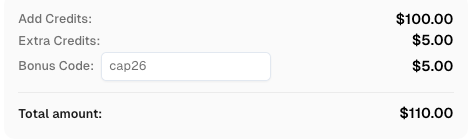
errorId and errorDescription in CapSolver's createTask and getTaskResult responses. This will help differentiate between CapSolver-side issues and target website-side issues. For example, an errorId other than 0 in createTask response indicates a problem with your CapSolver request or account, not necessarily the reCAPTCHA itself.Redeem Your CapSolver Bonus Code
Boost your automation budget instantly!
Use bonus code CAP26 when topping up your CapSolver account to get an extra 5% bonus on every recharge — with no limits.
Redeem it now in your CapSolver Dashboard
Even with correct parameter extraction and timely token submission, automated reCAPTCHA solving can encounter various issues. This section addresses common problems faced by automation engineers using CapSolver, providing targeted solutions.
Problem: Your script sends a createTask request to CapSolver, but it fails immediately or returns a non-zero errorId with a generic errorDescription.
Causes:
clientKey): The most common reason. Your clientKey is incorrect, expired, or has insufficient permissions.createTask endpoint is syntactically incorrect or missing required fields.Solutions:
clientKey: Double-check your CAPSOLVER_API_KEY against your CapSolver Dashboard. Ensure it's active and correctly copied.createTask endpoint. The errorDescription field will provide precise details about why the task failed.Problem: After creating a task, polling getTaskResult continuously returns "status": "processing", and you never receive a "status": "ready" with a token.
Causes:
Solutions:
ReCaptchaV2TaskProxyLess, CapSolver manages proxies, so this is less likely an issue.taskId to CapSolver support for investigation.Problem: CapSolver successfully returns a reCAPTCHA token, but when your automation submits it to the target website, the website responds with a generic failure message, indicating the token was not accepted.
Causes:
recaptcha verification failed please try again.Solutions:
g-recaptcha-response) and any other required parameters. Ensure your automation's POST request payload matches this precisely.Choosing the correct CapSolver task type is fundamental for successful reCAPTCHA solving in automation. This table summarizes key CapSolver task types for reCAPTCHA:
| CapSolver Task Type | reCAPTCHA Version | Proxy Requirement | Description |
|---|---|---|---|
ReCaptchaV2TaskProxyLess |
v2 | CapSolver's Proxy | Solves reCAPTCHA v2 using CapSolver's internal proxies. Ideal for quick integration without managing your own proxy infrastructure. |
ReCaptchaV2Task |
v2 | Your Own Proxy | Solves reCAPTCHA v2 using a proxy you provide. Useful for maintaining specific IP origins or integrating with existing proxy pools. |
ReCaptchaV2EnterpriseTaskProxyLess |
v2 Enterprise | CapSolver's Proxy | Solves reCAPTCHA v2 Enterprise using CapSolver's internal proxies. Designed for more complex enterprise reCAPTCHA implementations. |
ReCaptchaV2EnterpriseTask |
v2 Enterprise | Your Own Proxy | Solves reCAPTCHA v2 Enterprise using a proxy you provide. Offers flexibility for enterprise-level automation. |
ReCaptchaV3TaskProxyLess |
v3 | CapSolver's Proxy | Solves reCAPTCHA v3 using CapSolver's internal proxies. Returns a token with a score, suitable for automated score-based verification. |
ReCaptchaV3Task |
v3 | Your Own Proxy | Solves reCAPTCHA v3 using a proxy you provide. Allows for custom proxy integration in v3 automation. |
Always refer to the CapSolver documentation for the most current and detailed information on task types and their specific parameters. This ensures you are using the most effective method for your automation needs.
Optimizing your CapSolver integration is crucial for efficient and reliable automated reCAPTCHA solving. This involves strategies to minimize latency, manage resources, and ensure your automation remains undetected and effective.
Purpose: Minimizing the time spent communicating with the CapSolver API directly impacts the overall speed of your automation. Efficient API calls and polling reduce latency, which is critical given the time-sensitive nature of reCAPTCHA tokens.
Operation:
api.capsolver.com, utilize HTTP keep-alive connections. This reduces the overhead of establishing a new TCP connection for each createTask or getTaskResult request, significantly speeding up communication.getTaskResult at an optimal interval. Too frequent polling wastes resources, while too infrequent polling risks token expiration. A common practice is to start with a shorter interval (e.g., 1-2 seconds) and gradually increase it if the task remains processing.Precautions:
Purpose: For robust automation, especially at scale, strategic proxy usage is paramount. Proxies help distribute requests, mask your automation's origin, and maintain a good reputation with target websites, preventing reCAPTCHA from flagging your requests as suspicious. CapSolver integrates seamlessly with your own proxies.
Operation:
ReCaptchaV2Task, ReCaptchaV3Task).recaptcha verification failed please try again errors.Example CapSolver createTask with Proxy (Python):
# ... (previous CapSolver code)

create_task_payload = {
    "clientKey": CAPSOLVER_API_KEY,
    "task": {
        "type": "ReCaptchaV2Task", # Use task type that supports proxies
        "websiteKey": TARGET_SITE_KEY,
        "websiteURL": TARGET_SITE_URL,
        "proxy": "http://user:pass@ip:port" # Your proxy details
    }
}

# ... (rest of CapSolver code)
Precautions:
Purpose: When running multiple automated tasks that interact with reCAPTCHA, managing concurrency and request frequency is vital. This prevents overwhelming the target website, triggering rate limits from Google, or exhausting your CapSolver balance too quickly. Uncontrolled requests can lead to temporary blocks or recaptcha verification failed please try again errors.
Operation:
time.sleep() or more advanced token bucket algorithms.Precautions:
By diligently applying these performance optimization strategies, you can significantly enhance the efficiency, reliability, and stealth of your CapSolver-powered automation. This proactive approach helps to prevent recaptcha invalid site key and invalid recaptcha token issues from disrupting your automated workflows, ensuring smooth and continuous operation.
For automation engineers, encountering reCAPTCHA Invalid Site Key or invalid reCAPTCHA token errors can be a significant impediment to efficient data collection and process automation. However, by understanding the nuances of these errors within an automated context and leveraging powerful tools like CapSolver, these challenges are entirely surmountable. The key lies in meticulous parameter extraction, timely token submission, and robust error handling within your automation scripts.
CapSolver provides a compliant and highly effective solution for navigating reCAPTCHA challenges in automated workflows. By integrating CapSolver, you empower your automation to reliably obtain valid reCAPTCHA tokens, ensuring uninterrupted operation and data flow. This not only resolves the immediate recaptcha verification failed please try again issues but also enhances the overall resilience and efficiency of your automated systems.
Ready to elevate your automation and conquer reCAPTCHA challenges with confidence? Explore CapSolver's comprehensive reCAPTCHA solutions today and ensure your automated processes run seamlessly, without being hindered by captcha roadblocks.
A1: When you encounter "reCAPTCHA Invalid Site Key" while using CapSolver, it typically means the websiteKey or websiteURL you provided in your CapSolver createTask request does not accurately match the reCAPTCHA configuration on the target website. CapSolver cannot proceed with solving if these parameters are incorrect. The best practice is to use the CapSolver Extension to extract the exact websiteKey and websiteURL from the target page.
A2: An "invalid reCAPTCHA token" after CapSolver has successfully returned one usually indicates that the token expired before your automation script could submit it to the target website, or your script attempted to reuse an already verified token. reCAPTCHA tokens are single-use and time-sensitive (typically expiring within two minutes). Ensure your automation submits the token promptly and requests a new token from CapSolver for each verification attempt.
A3: To prevent these errors, ensure:
websiteKey and websiteURL provided to CapSolver are correct.clientKey for CapSolver is active and has sufficient balance.g-recaptcha-response).A4: For reCAPTCHA v3, you should use ReCaptchaV3TaskProxyLess if you want CapSolver to manage the proxies, or ReCaptchaV3Task if you intend to provide your own proxies. These task types are designed to return a reCAPTCHA v3 token along with a score, which your automation can then use for server-side verification against the target website.
A5: Proxies, especially high-quality residential or mobile proxies, help your automation appear more legitimate to reCAPTCHA. By rotating IP addresses and mimicking diverse user origins, proxies reduce the likelihood of your automated requests being flagged as suspicious, thereby improving reCAPTCHA solving success rates and preventing IP bans. CapSolver allows you to integrate your own proxies with specific task types like ReCaptchaV2Task or ReCaptchaV3Task.
Aloísio Vítor
Image Processing Expert
Interpreting the visual signals behind web workflows.
ABOUT THE AUTHOR
Understand reCAPTCHA v3 score range (0.0 to 1.0), its meaning, and how to improve your score. Learn how to handle low scores and optimize user experience.

Fix reCAPTCHA verification failed errors fast. Step-by-step manual fixes for users and a Python API guide for developers using CapSolver. Covers v2, v3, and Enterprise.