🎉NEWCapSolver for AI agents-MCP, agent tools, and SDK integrations

Lucas Mitchell
Automation Engineer
Published Sep 23, 2024
Updated Sep 23, 2024 · min read

aiohttp is a powerful asynchronous HTTP client/server framework for Python. It leverages Python's asyncio library to enable concurrent network operations, making it highly efficient for tasks like web scraping, web development, and any network-bound operations.
Features:
asyncio for non-blocking network operations.Before you start using aiohttp, ensure you have:
Install aiohttp using pip:
pip install aiohttpHere's how to perform a simple GET request using aiohttp:
import asyncio
import aiohttp

async def fetch(url):
    async with aiohttp.ClientSession() as session:
        async with session.get(url) as response:
            status = response.status
            text = await response.text()
            print(f'Status Code: {status}')
            print('Response Body:', text)

if __name__ == '__main__':
asyncio.run(fetch('https://httpbin.org/get'))Let's scrape the Quotes to Scrape website to extract quotes and their authors:
import asyncio
import aiohttp
from bs4 import BeautifulSoup

async def fetch_content(url):
    async with aiohttp.ClientSession() as session:
        async with session.get(url) as response:
            return await response.text()

async def scrape_quotes():
    url = 'http://quotes.toscrape.com/'
    html = await fetch_content(url)
    soup = BeautifulSoup(html, 'html.parser')
    quotes = soup.find_all('div', class_='quote')
    for quote in quotes:
        text = quote.find('span', class_='text').get_text(strip=True)
        author = quote.find('small', class_='author').get_text(strip=True)
        print(f'{text} — {author}')

if __name__ == '__main__':
    asyncio.run(scrape_quotes())
Output:
“The world as we have created it is a process of our thinking. It cannot be changed without changing our thinking.” — Albert Einstein
“It is our choices, Harry, that show what we truly are, far more than our abilities.” — J.K. Rowling
... (additional quotes)In this section, we'll explore how to integrate CapSolver with aiohttp to bypass captchas. CapSolver is an external service that helps in solving various types of captchas, including ReCaptcha v2, v3
We'll demonstrate solving ReCaptcha V2 using CapSolver and then accessing a page that requires captcha solving.
First, install the CapSolver package:
pip install capsolverNow, here's how you can solve a ReCaptcha V2 and use the solution in your request:
import asyncio
import os
import aiohttp
import capsolver

# Set your CapSolver API key
capsolver.api_key = os.getenv("CAPSOLVER_API_KEY", "Your CapSolver API Key")
PAGE_URL = os.getenv("PAGE_URL", "https://example.com")  # Page URL with captcha
SITE_KEY = os.getenv("SITE_KEY", "SITE_KEY")             # Captcha site key

async def solve_recaptcha_v2():
    solution = capsolver.solve({
        "type": "ReCaptchaV2TaskProxyless",
        "websiteURL": PAGE_URL,
        "websiteKey": SITE_KEY
    })
    return solution['solution']['gRecaptchaResponse']

async def access_protected_page():
    captcha_response = await solve_recaptcha_v2()
    print("Captcha Solved!")

    async with aiohttp.ClientSession() as session:
        data = {
            'g-recaptcha-response': captcha_response,
            # Include other form data if required by the website
        }
        async with session.post(PAGE_URL, data=data) as response:
            content = await response.text()
            print('Page Content:', content)

if __name__ == '__main__':
    asyncio.run(access_protected_page())
Note: Replace PAGE_URL with the URL of the page containing the captcha and SITE_KEY with the site key of the captcha. The site key is usually found in the page's HTML source code within the captcha widget.
To route your requests through a proxy, specify the proxy parameter:
import asyncio
import aiohttp

async def fetch(url, proxy):
    async with aiohttp.ClientSession() as session:
        async with session.get(url, proxy=proxy) as response:
            return await response.text()

async def main():
    proxy = 'http://username:password@proxyserver:port'
    url = 'https://httpbin.org/ip'
    content = await fetch(url, proxy)
    print('Response Body:', content)

if __name__ == '__main__':
asyncio.run(main())You can manage cookies using CookieJar:
import asyncio
import aiohttp

async def main():
    jar = aiohttp.CookieJar()
    async with aiohttp.ClientSession(cookie_jar=jar) as session:
        await session.get('https://httpbin.org/cookies/set?name=value')
        # Display the cookies
        for cookie in jar:
            print(f'{cookie.key}: {cookie.value}')

if __name__ == '__main__':
asyncio.run(main())You can send custom headers and perform POST requests with aiohttp:
import asyncio
import aiohttp

async def main():
    headers = {
        'User-Agent': 'Mozilla/5.0 (compatible)',
        'Accept-Language': 'en-US,en;q=0.5',
    }
    data = {
        'username': 'testuser',
        'password': 'testpass',
    }
    async with aiohttp.ClientSession() as session:
        async with session.post('https://httpbin.org/post', headers=headers, data=data) as response:
            json_response = await response.json()
            print('Response JSON:', json_response)

if __name__ == '__main__':
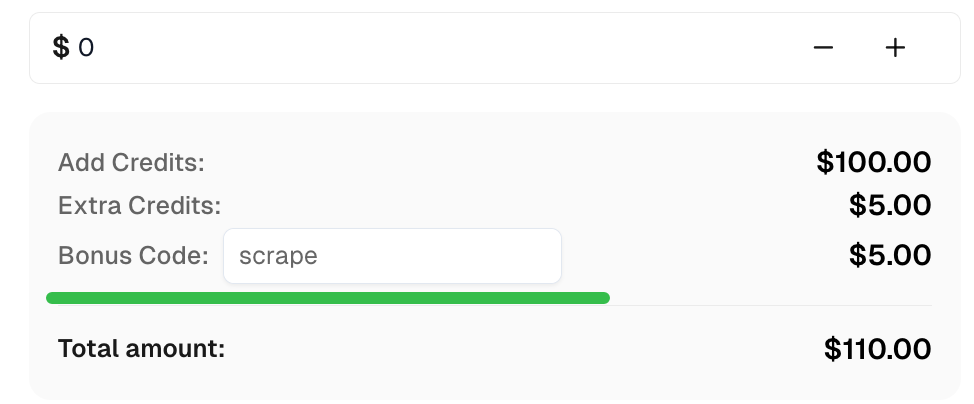
asyncio.run(main())Claim your Bonus Code for top captcha solutions at CapSolver: scrape. After redeeming it, you will get an extra 5% bonus after each recharge, unlimited times.
With aiohttp, you can efficiently perform asynchronous web scraping tasks and handle multiple network operations concurrently. Integrating it with CapSolver allows you to solve captchas like ReCaptcha V2, enabling access to content that might otherwise be restricted.
Feel free to expand upon these examples to suit your specific needs. Always remember to respect the terms of service of the websites you scrape and adhere to legal guidelines.
Happy scraping!
Lucas Mitchell
Automation Engineer
Helping browser automation recover and continue.
ABOUT THE AUTHOR
Find CapSolver MCP in the Official MCP Registry, install version 0.1.3 with uvx or pip, configure a local client, and verify the stdio tools.

Add CAPTCHA tools to Pydantic AI using the official CapSolver adapter, test tool execution locally, and handle typed inputs and structured solver results.