🎉NEWCapSolver for AI agents-MCP, agent tools, and SDK integrations

Lucas Mitchell
Automation Engineer
Published May 17, 2023
Updated May 17, 2023 · min read
Web scraping is an automated method for extracting structured data from websites and is commonly used for price tracking, market research, web indexing, and search engine analysis. Because websites are primarily designed for human users, dedicated web scraping services simplify data collection by handling proxies, geo-targeting, and large-scale request management. This article explains the fundamentals of web scraping and compares several popular web scraping and Google SERPs scraping services in terms of features, pricing, and supported platforms to help you select the right solution.
Web scraping has become a foundational technique for businesses and developers who rely on large-scale, up-to-date web data. From price monitoring and market research to search engine analysis and real estate aggregation, the ability to automatically extract structured information from websites is critical. This article introduces the concept of web scraping, explains how it works at a high level, and compares several popular web scraping services and Google SERPs scraping solutions to help you better understand the available options.
Web scraping, also known as web harvesting or data extraction, is a technique used to extract data from websites. It involves fetching a web page—which is the downloading of a page, similar to what a browser does when a user views a page—and extracting information from it. The content of a page may be parsed, searched, reformatted, and its data copied into a spreadsheet or loaded into a database. Web scraping is typically automated and implemented using a bot or web crawler.
It is used in a variety of applications, including web indexing, data mining, price change monitoring, product review scraping, gathering real estate listings, and more.
Web pages are built using text-based markup languages such as HTML and XHTML, and often contain useful data in text form. However, most web pages are designed for human end-users rather than automated access. As a result, specialized tools and software have been developed to facilitate web scraping.
Newer forms of web scraping involve monitoring data feeds from web servers. For example, JSON is commonly used as a transport mechanism between the client and the web server. At the same time, many websites deploy anti-scraping measures, such as detecting and blocking bots. In response, modern web scraping systems use techniques like DOM parsing, computer vision, and natural language processing to simulate human browsing behavior, enabling the collection of web page content for offline parsing.
Below is an overview of several popular web scraping services, highlighting their pricing models and key features.
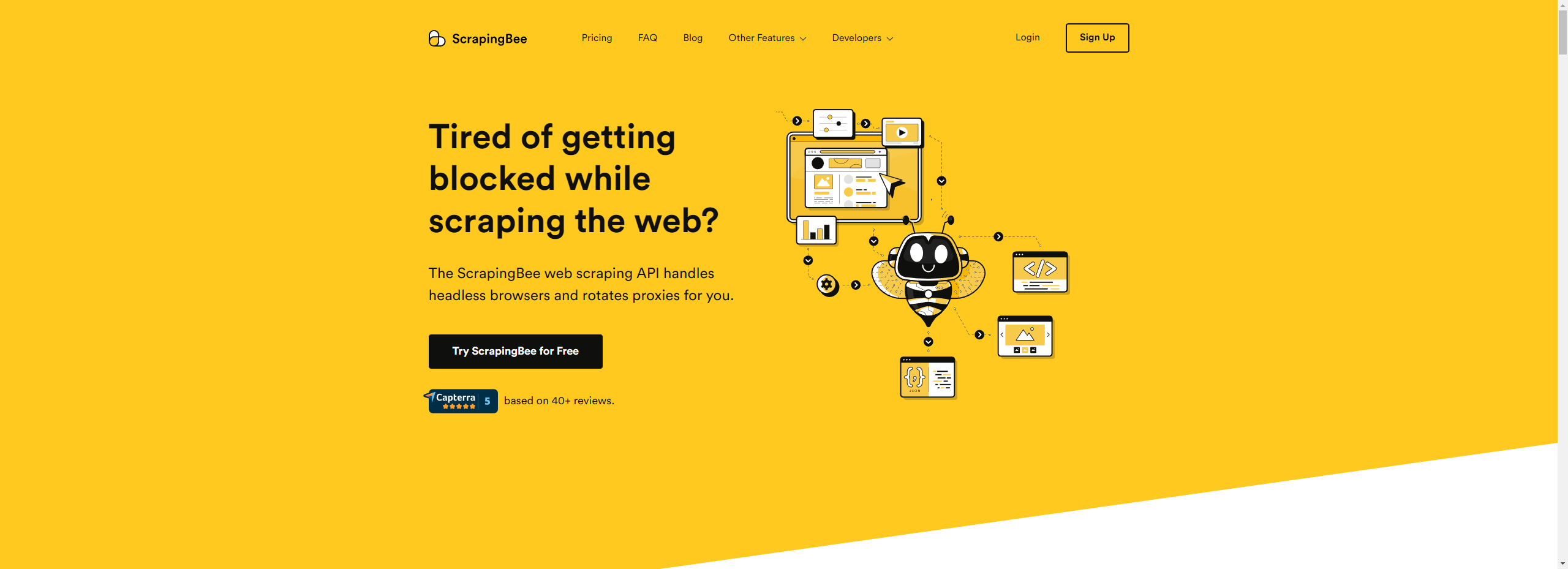
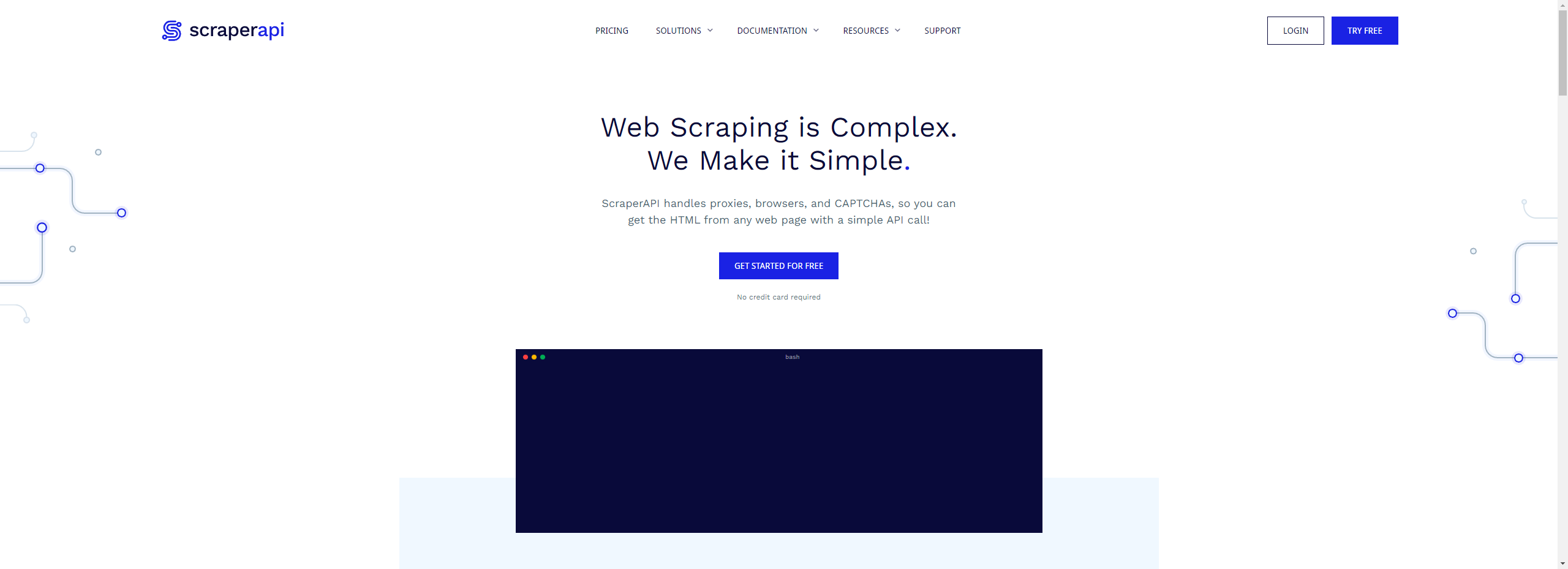
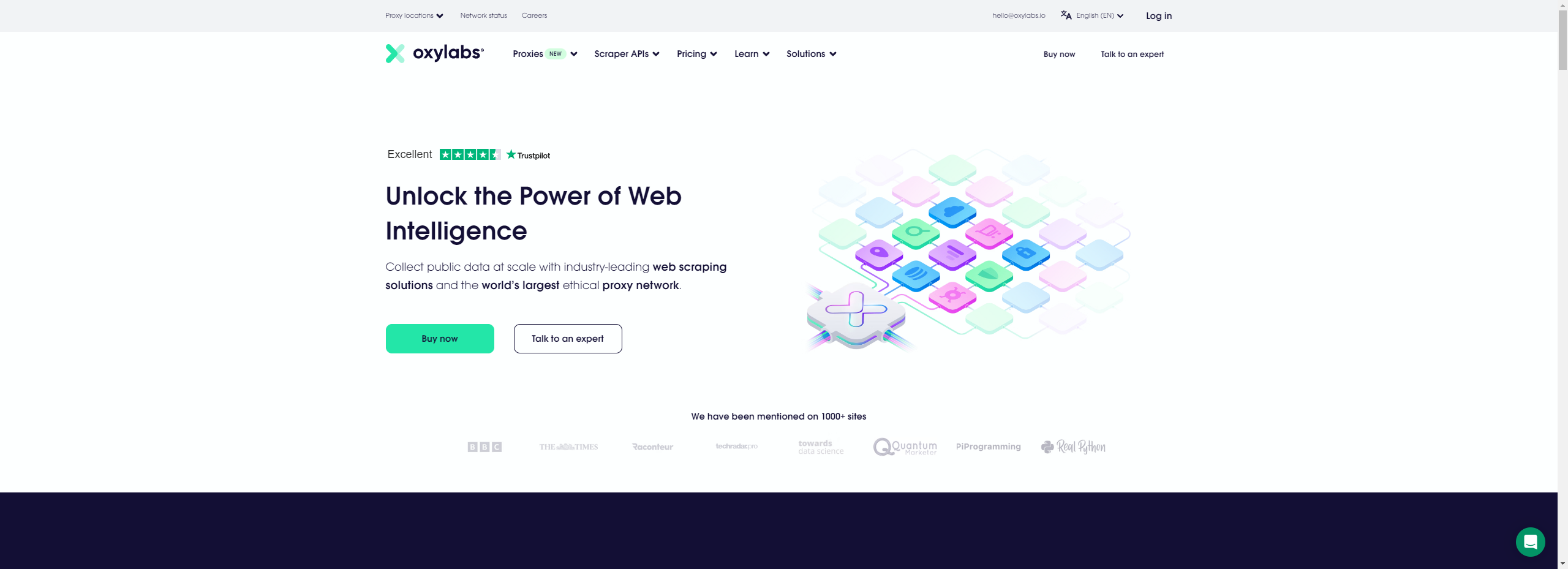
When choosing a web scraping service, it is important to evaluate your specific requirements. Factors such as proxy management, geo-targeting support, handling of failed requests, and overall cost efficiency should all be considered.
Below is a brief comparison of Google SERPs scraping features offered by different providers.
Web scraping is a powerful and widely used method for collecting structured data from the web at scale. While modern websites increasingly deploy anti-bot protections, specialized scraping services help abstract away much of the complexity by managing proxies, geo-targeting, and request handling. By understanding how web scraping works and comparing the strengths and pricing models of different providers—especially for Google SERPs scraping—you can select a solution that best fits your technical and business requirements.
Web scraping itself is not inherently illegal, but its legality depends on how the data is collected and used. Always review a website’s terms of service and ensure compliance with applicable laws and regulations.
Websites may block scrapers to prevent excessive traffic, protect intellectual property, avoid data misuse, or maintain fair access for human users.
General web scraping targets arbitrary websites, while SERP scraping specifically focuses on extracting search engine results pages, which often have stricter anti-bot protections.
Most scraping services handle proxy rotation, browser fingerprinting, geo-targeting, and request retries automatically, significantly increasing the success rate compared to building a scraper from scratch.
Lucas Mitchell
Automation Engineer
Helping browser automation recover and continue.
ABOUT THE AUTHOR
Learn scalable Rust web scraping architecture with reqwest, scraper, async scraping, headless browser scraping, proxy rotation, and compliant CAPTCHA handling.
Learn the best techniques to scrape job listings without getting blocked. Master Indeed scraping, Google Jobs API, and web scraping API with CapSolver.