Why Is My Playwright Bot Being Detected?

Adélia Cruz
Neural Network Developer
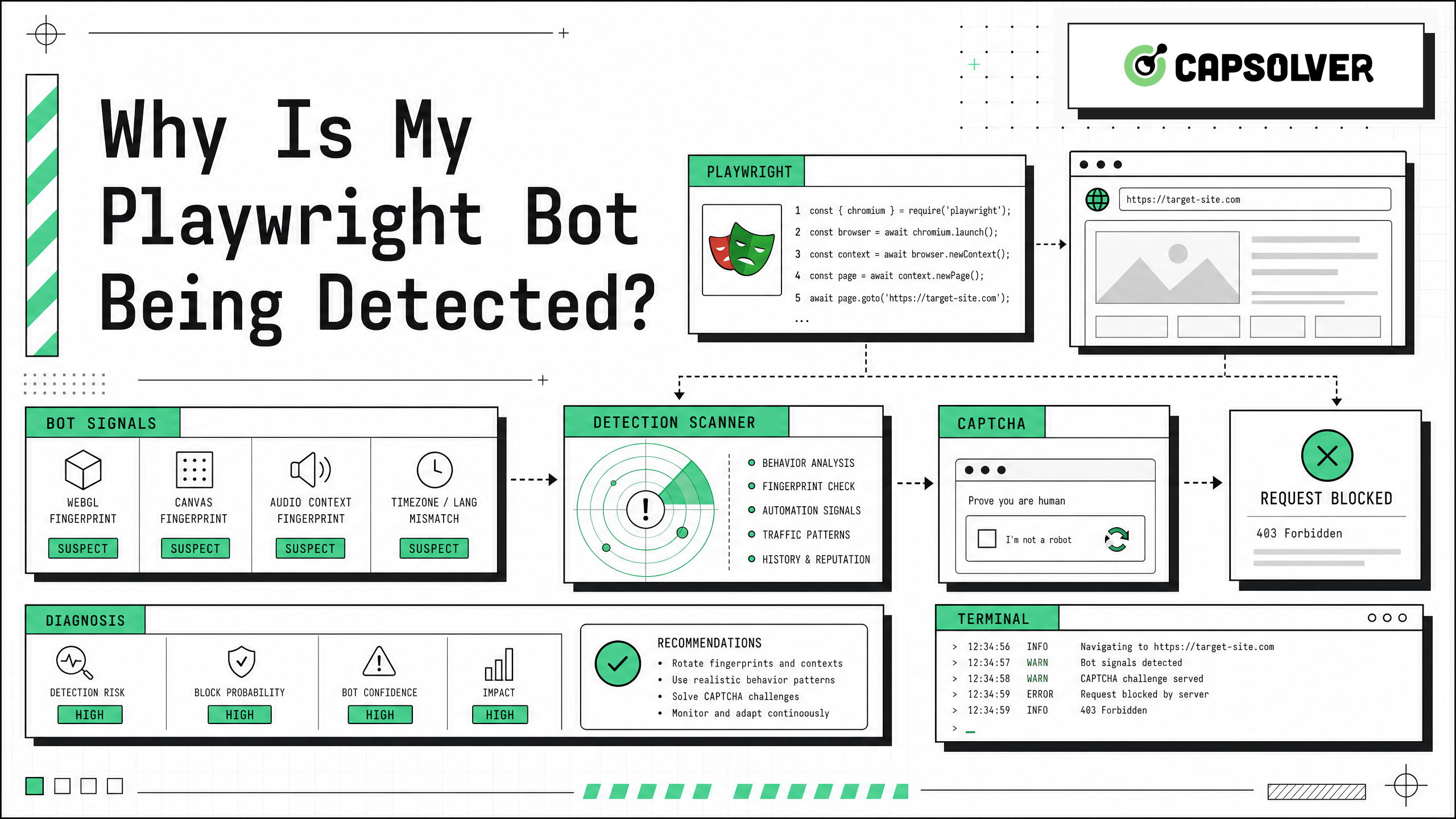
TL;DR
- Why Is My Playwright Bot Being Detected usually comes down to inconsistent browser fingerprints, fresh sessions, unusual network reputation, high-speed actions, or challenge-heavy target pages.
- Playwright is built for testing, scripting, and AI agent workflows, but production websites may still evaluate automation signals before allowing sensitive traffic.
- Detection often appears as repeated CAPTCHA prompts, 403 responses, login loops, blocked checkout steps, or inconsistent page rendering.
- A responsible fix starts with observability, stable sessions, realistic test environments, clean proxy configuration, rate control, and compliant CAPTCHA challenge handling.
- CapSolver can help automation teams handle supported CAPTCHA workflows while keeping the rest of the Playwright stack focused on lawful testing, QA, and permitted data access.
Introduction
Why Is My Playwright Bot Being Detected? The short answer is that the target website is not judging Playwright alone. It is evaluating a full traffic profile that includes browser state, JavaScript-visible properties, TLS and network behavior, session history, interaction timing, and challenge outcomes. Playwright is a legitimate automation framework for tests, scripts, and AI agents, and its official site describes support for Chromium, Firefox, and WebKit across testing and agent workflows through Playwright’s official documentation. When Playwright automation meets strict risk control, teams need a cleaner diagnostic process rather than random browser flags. For CAPTCHA-heavy workflows, CapSolver can be part of that process when the use case is lawful, permitted, and aligned with site rules.
What detection really means in Playwright automation
Why Is My Playwright Bot Being Detected is not a single-error question. Detection may mean that the server rejected a request, a JavaScript challenge scored the session as risky, a CAPTCHA appeared after several actions, or a fraud system moved the browser into a stricter review path. The same Playwright script can pass on a staging site and fail on production because production has more traffic validation layers.
Playwright’s design makes browser automation reliable. It includes auto-waiting, test isolation, resilient locators, tracing, and parallel execution, which are valuable for QA and agent workflows. Those same traits can look unusual when a live website expects a returning human browser with cookies, local storage, realistic delays, and a stable network identity. The issue is usually a mismatch between the automation environment and the website’s expected user profile.
For CapSolver readers, this distinction matters. A Playwright bot being detected does not always mean a CAPTCHA issue. It may be a browser configuration issue, a proxy issue, a session continuity issue, or a permissions issue. CAPTCHA handling should come after the team confirms that the workflow is permitted and that the browser setup is technically consistent.
The most common causes of Playwright detection
The most common answer to Why Is My Playwright Bot Being Detected is inconsistent identity. Modern risk systems compare many signals at once. A browser may claim one user agent while exposing another screen size, timezone, language, graphics profile, or automation-related state. Even small mismatches can move a session into a higher-friction path.
| Detection area | What usually goes wrong | Practical fix |
|---|---|---|
| Browser fingerprint | Headless defaults, inconsistent viewport, missing fonts, unusual locale, or unstable storage | Use a consistent browser profile, match locale and timezone, and test headed and headless differences |
| Network identity | Datacenter IP reputation, changing IPs within one account session, or proxy authentication failures | Use appropriate infrastructure for the use case and keep sessions tied to stable network paths |
| Session history | Every run starts with an empty profile, no cookies, no history, and no normal navigation path | Persist allowed session state and avoid treating every visit as a first visit |
| Interaction timing | Actions fire too quickly, forms submit instantly, or navigation skips expected intermediate steps | Add realistic waits based on page readiness and user-visible flow, not arbitrary sleep loops |
| Challenge handling | CAPTCHA appears but the script does not detect, solve, or submit the challenge correctly | Identify the challenge type and route only supported, permitted CAPTCHA tasks through a solver workflow |
Why Is My Playwright Bot Being Detected also comes up when teams run many tests from the same CI range. Continuous integration systems are great for repeatability, but they often run from cloud IP ranges that target sites already treat as higher risk. A single account logging in from many short-lived browser contexts can make the pattern even more unusual.
Browser signals that websites may inspect
A website can inspect client-side signals that differ between ordinary browsing and automation. These signals can include viewport size, device scale factor, permissions behavior, installed fonts, WebGL output, language order, timezone, storage availability, and error patterns. Playwright itself is not malicious, but automation environments often use clean profiles and predictable settings.
The Chrome DevTools Protocol is relevant because Chromium automation tools can use it to instrument and inspect browser behavior. The official protocol documentation states that CDP allows tools to instrument, inspect, debug, and profile Chromium-based browsers, and it exposes browser targets and metadata through debugging endpoints when configured for remote debugging Chrome DevTools Protocol documentation. Some detection systems watch for signs that a browser is being driven in a way that differs from ordinary interactive browsing.
Why Is My Playwright Bot Being Detected becomes easier to answer when you record evidence. Capture screenshots, traces, response codes, challenge pages, and request timing. Playwright’s tracing features can help teams understand whether the block happens before login, after navigation, after a form submit, or only when a CAPTCHA appears.
Network and proxy issues can look like Playwright issues
Many teams blame Playwright when the real problem is infrastructure. A website may challenge traffic because the IP range has poor reputation, because requests rotate too often, or because the same account appears from different regions in a short period. This is especially common in scraping, public monitoring, and multi-account QA workflows.
A clean network setup does not mean hiding identity. It means matching the infrastructure to the permitted use case. QA against your own properties should use allowlisted test routes or staging endpoints when possible. Public data collection should respect robots.txt, terms of service, rate limits, and applicable laws. If your workflow needs proxies, review proxy setup and keep sessions consistent.
Why Is My Playwright Bot Being Detected can also be caused by proxy-layer technical failures. Authentication errors, DNS leaks, IPv6/IPv4 mismatches, and regional inconsistencies may produce the same symptoms as a browser fingerprint issue. Before changing Playwright launch options, verify the outbound IP, geolocation, TLS path, and headers from inside the actual automated browser context.
CAPTCHA challenges are often a symptom, not the root cause
A CAPTCHA prompt usually means the risk system wants extra validation. It does not necessarily mean the website detected Playwright directly. The challenge may be triggered by fast navigation, repeated failed logins, high request volume, a risky IP, or a clean browser profile with no prior trust signals. For a general foundation, CapSolver’s CAPTCHA solving FAQ explains the role of CAPTCHA workflows in automation contexts.
When a CAPTCHA appears in a permitted workflow, the safest approach is to identify the challenge type and integrate a solver only where the site’s rules and the law allow it. CapSolver’s automation FAQ is relevant for teams connecting agents, headless browsers, and task orchestration. For Playwright-specific integration topics, CapSolver also maintains resources such as how to integrate Playwright and Playwright for web scraping.
Why Is My Playwright Bot Being Detected should therefore be diagnosed in layers. If the target page shows a CAPTCHA only after a burst of actions, fix pacing and session design first. If it shows the CAPTCHA immediately on page load, investigate network reputation, browser context, or account trust. If the CAPTCHA is part of the expected flow, use a documented challenge-handling workflow.
How to fix Playwright detection responsibly
The best fix for Why Is My Playwright Bot Being Detected is a controlled checklist. First, reproduce the issue in a single headed browser session and compare it with headless execution. Second, persist allowed storage state so the same test account does not look new on every run. Third, align locale, timezone, viewport, and user agent with the intended test geography. Fourth, reduce concurrency until the site stops presenting risk checks. Fifth, add logging around redirects, response codes, challenge pages, and form failures.
Chrome configuration can also matter. ChromeDriver’s official capabilities documentation shows that browser sessions can be configured with custom profiles, proxy settings, extensions, mobile emulation, window size, and Chrome-specific options ChromeDriver capabilities documentation. Playwright uses its own APIs, but the same lesson applies: session configuration is part of the traffic profile.
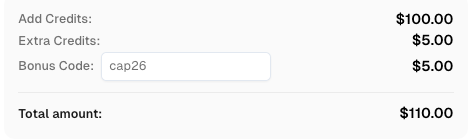
Redeem Your CapSolver Bonus Code
Boost your automation budget instantly!
Use bonus code CAP26 when topping up your CapSolver account to get an extra 5% bonus on every recharge — with no limits.
Redeem it now in your CapSolver Dashboard
After the basic environment is stable, add CAPTCHA handling only for supported challenge types. If the workflow involves reCAPTCHA, Turnstile, or other challenge systems, use documented CapSolver products and examples rather than unverified parameters. This keeps the Playwright code maintainable and reduces false assumptions about why the bot was detected.
A practical diagnostic workflow for teams
Why Is My Playwright Bot Being Detected should become an engineering ticket with evidence, not a guessing game. Start by labeling where the failure occurs: page load, login, search, checkout, form submit, or data extraction. Then record the browser mode, IP range, account state, challenge type, and exact server response. If the same issue appears only in CI, the CI environment is likely part of the profile.
Teams should also separate QA traffic from production user traffic. For owned applications, create test routes, test users, and allowlisted environments. For public websites, confirm that the workflow is permitted and keep volume within reasonable limits. CapSolver’s web scraping FAQ and web scraping legal guide are useful reminders that technical capability does not grant permission to access restricted, private, or sensitive data.
Finally, measure changes one at a time. If you change proxy routing, browser mode, user data directory, action timing, and CAPTCHA handling in one commit, you will not know which change fixed the issue. A reliable Playwright automation stack should be explainable, repeatable, and auditable.
Conclusion
Why Is My Playwright Bot Being Detected is best answered by looking at the full automation profile. Playwright can drive real browser engines, but a website may still challenge sessions that look new, fast, inconsistent, or risky. The fix is not a single flag. It is a responsible workflow: stabilize browser context, keep session identity consistent, tune concurrency, validate network configuration, log challenge pages, and handle supported CAPTCHA tasks only when the use case is permitted. If CAPTCHA is a legitimate part of your Playwright workflow, CapSolver can help your team route challenge handling through a documented integration while you keep the rest of the automation stack clean.
FAQ
Why Is My Playwright Bot Being Detected even when I use a real browser?
A real browser engine does not guarantee a normal traffic profile. A site may evaluate browser state, IP reputation, cookies, timing, account history, and challenge outcomes together. If any layer looks inconsistent, Playwright traffic may receive stricter validation.
Does headless Playwright always trigger detection?
No. Headless mode is only one factor. Many failures come from clean profiles, high concurrency, poor network reputation, missing session history, or unrealistic interaction timing. Compare headed and headless traces before assuming headless mode is the only cause.
Can a CAPTCHA solver fix every Playwright detection issue?
No. A solver helps only when a supported CAPTCHA challenge is the actual blocker and the workflow is lawful and permitted. If the root cause is network reputation, session churn, or excessive speed, fix those issues first.
What should I log when a Playwright bot is flagged?
Log the response code, final URL, screenshot, Playwright trace, browser mode, proxy route, account state, challenge type, and timing around the failed action. This evidence helps separate browser issues from network or CAPTCHA issues.
Is Playwright safe to use for automation?
Yes, Playwright is a legitimate automation framework for testing, scripting, and AI agent workflows. Use it responsibly, respect site rules, and avoid accessing private, restricted, or unauthorized data.
More
AutomationAug 21, 2026
How to Add Gumloop CAPTCHA Solving to Web Workflows
Build Gumloop CAPTCHA solving with a verified HTTP contract, controlled recovery branch, retry budget, browser-state checks, and human fallback.

AutomationAug 13, 2026
How to Add a CAPTCHA Solver to Form Automation Workflows
A form automation captcha solver is an error-recovery component for a permitted form workflow, not a shortcut around authorization. CapSolver can provide a reCAPTCHA solution through the documented task API while your application preserves inputs, browser context, consent, and the final submission rule. The safest sequence is detect, snapshot, create one task, poll with a deadline, apply the result in the same session, and verify the form's own confirmation state. This articl