🎉NEWCapSolver for AI agents-MCP, agent tools, and SDK integrations

Emma Foster
Machine Learning Engineer
Published May 19, 2026
Updated May 19, 2026 · min read
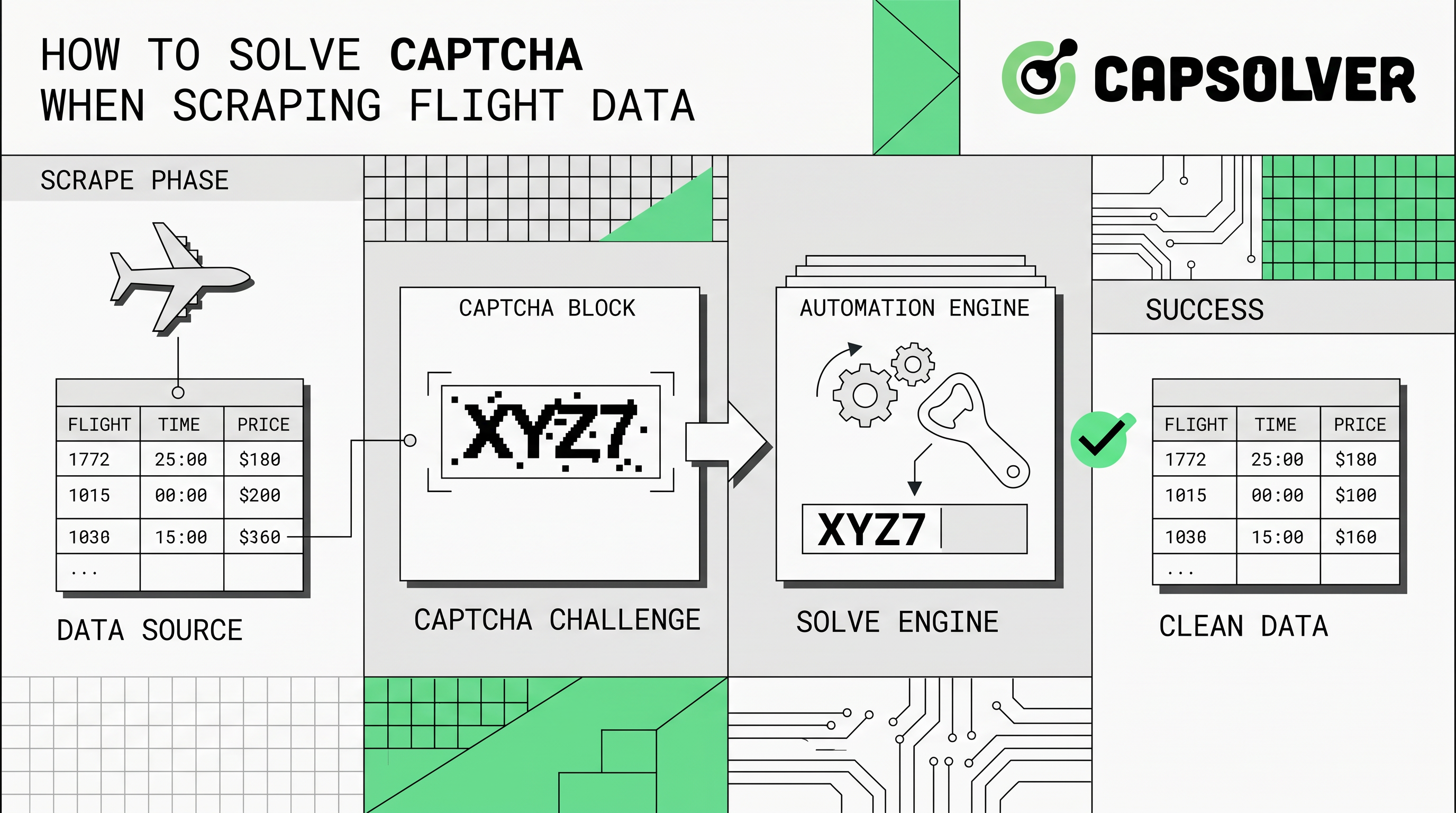
Acquiring real-time flight information is a competitive necessity for modern travel agencies and pricing aggregators. Data extraction allows businesses to monitor fare fluctuations and inventory changes across multiple global carriers instantly. However, the technical barriers to accessing this data have intensified significantly over the past few years. Automated systems frequently encounter complex security measures designed to verify human interaction before granting access. This guide explores the technical landscape of flight scraping and provides actionable strategies for managing CAPTCHA challenges. We focus on implementing reliable solutions that ensure consistent data flow while adhering to industry best practices. By utilizing professional tools like CapSolver, developers can automate the resolution process and maintain focus on data analysis.
The aviation industry relies heavily on data-driven insights to manage operations and optimize revenue streams effectively. Market reports indicate that the aviation analytics sector is expanding rapidly due to increased demand for efficiency. Businesses use scraped data to build comprehensive pricing models that respond to competitor movements in real-time. For example, monitoring routes on Google Flights helps agencies understand broader market trends. Accurate data collection supports better forecasting, improved customer service, and more strategic resource allocation for travel companies. Without a robust extraction pipeline, organizations struggle to remain relevant in an increasingly digital and fast-paced marketplace.
Web scraping in the travel sector is uniquely challenging due to the high value of the data involved. Airlines invest heavily in security infrastructure to prevent automated scripts from overloading their booking engines or scraping fares. These defensive measures often result in frequent IP blocks or the presentation of difficult verification puzzles. Standard scraping scripts often fail when they encounter these dynamic challenges without a dedicated resolution strategy. Beyond simple blocks, sites use behavioral analysis to detect non-human patterns in navigation and request timing. This environment necessitates a sophisticated approach that can adapt to various security configurations without compromising the speed of data retrieval.
Travel websites utilize diverse verification methods to distinguish between legitimate travelers and automated scraping scripts effectively. Identifying the specific type of challenge is the first step toward implementing a successful automated resolution.
| CAPTCHA Type | Primary Use Case | Complexity Level | Typical Solution Method |
|---|---|---|---|
| reCAPTCHA v2/v3 | Google-integrated travel platforms | High | Token-based API resolution |
| AWS WAF CAPTCHA | Cloud-hosted airline portals | High | Specialized token resolution |
| Image Puzzles | Legacy booking systems | Medium | AI-driven image recognition |
| Text CAPTCHA | Basic regional carrier sites | Low | OCR (Optical Character Recognition) |
Each of these systems requires a different technical approach to solve programmatically within a scraping workflow. For instance, what is web scraping often involves handling these barriers as part of the core data acquisition logic.
Manual intervention in a high-volume scraping operation is neither scalable nor cost-effective for modern enterprises. Thousands of requests may be sent per hour, each potentially triggering a verification challenge that requires immediate resolution. Automated services bridge this gap by providing high-speed, programmatic responses to these security checks as they occur. This ensures that the data pipeline remains uninterrupted, even when targeting highly protected airline websites or global distribution systems. Professional solutions allow developers to integrate a single API call to handle multiple verification types across different domains. This centralized approach reduces the complexity of maintaining custom scripts for every individual airline's security implementation.
CapSolver offers a streamlined API designed to handle the most difficult verification challenges encountered during flight data extraction. The service specializes in providing tokens that can be submitted to target websites to prove human-like interaction. This process involves sending the challenge details to CapSolver and receiving a valid response string in return. For developers working with Python, the integration is straightforward and requires minimal code changes to existing scraping scripts. By delegating the resolution task to a specialized service, you can achieve higher success rates and lower latency. This is particularly useful when dealing with advanced systems like how to solve google recaptcha in a production environment.
The following Python code demonstrates the standard method for interacting with the CapSolver API to resolve a verification challenge. This example uses the requests library to communicate with the service and retrieve the necessary solution token.
import requests
import time

# Replace with your actual API key from the CapSolver dashboard
api_key = "YOUR_API_KEY"
# The site key found on the target airline's website
site_key = "6Le-wvkSAAAAAPBMRTvw0Q4Muexq9bi0DJwx_mJ-"
# The URL of the page where the challenge is presented
site_url = "https://www.google.com/recaptcha/api2/demo"

def solve_flight_captcha():
    # Define the task payload for the CapSolver API
    payload = {
        "clientKey": api_key,
        "task": {
            "type": 'ReCaptchaV2TaskProxyLess',
            "websiteKey": site_key,
            "websiteURL": site_url
        }
    }

    # Create a new task on the CapSolver platform
    res = requests.post("https://api.capsolver.com/createTask", json=payload)
    resp = res.json()
    task_id = resp.get("taskId")

    if not task_id:
        print("Failed to create task")
        return

    # Poll the API until the solution is ready
    while True:
        time.sleep(1)
        payload = {"clientKey": api_key, "taskId": task_id}
        res = requests.post("https://api.capsolver.com/getTaskResult", json=payload)
        resp = res.json()
        status = resp.get("status")

        if status == "ready":
            print("CAPTCHA solved successfully")
            return resp.get("solution", {}).get('gRecaptchaResponse')

        if status == "failed" or resp.get("errorId"):
            print("Task failed or encountered an error")
            return None
This implementation ensures that your scraping script can wait for a valid token before attempting to submit a form or access a protected page. For more complex scenarios, you can refer to the CapSolver FAQ for troubleshooting and optimization tips.
Choosing the right approach for your scraping project depends on your specific requirements for speed, accuracy, and budget. Different methods offer varying levels of performance when applied to the travel industry's unique security landscape.
| Method | Accuracy | Scalability | Implementation Effort | Cost Efficiency |
|---|---|---|---|---|
| In-house AI Models | Variable | Low | Very High | Low |
| Manual Solving | 100% | None | Low | Very Low |
| CAPTCHA Solving API | High | High | Low | High |
| Browser Automation | Medium | Medium | High | Medium |
Using a professional API like CapSolver consistently ranks as the most efficient choice for large-scale flight data projects. It balances the need for high throughput with the technical complexity of modern security measures.
Redeem Your CapSolver Bonus Code
Boost your automation budget instantly!
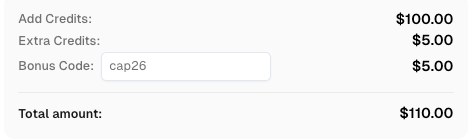
Use bonus code CAP26 when topping up your CapSolver account to get an extra 5% bonus on every recharge — with no limits.
Redeem it now in your CapSolver Dashboard
Solving the verification challenge is only one part of a successful data extraction strategy for flight information. Using high-quality residential or mobile proxies is equally important to avoid triggering security systems in the first place. Proxies help distribute your requests across multiple IP addresses, making your scraping activity appear as legitimate traffic from different locations. This is essential when scraping international airlines that may have different pricing or availability based on the user's geographic region. Combining CapSolver with a reliable proxy provider creates a robust system that can navigate even the most restrictive web environments. For a deeper understanding of the terms used in this field, visit our glossary for detailed definitions.
Maintaining ethical standards is paramount when collecting data from public websites, especially in the sensitive aviation sector. Responsible scraping involves respecting the target website's resources and adhering to legal guidelines regarding data usage. Always check the robots.txt file of an airline's site to understand their policies on automated access and data collection. Limiting the frequency of your requests helps prevent server strain and reduces the likelihood of being flagged as a script. Transparent data collection practices build trust and ensure the longevity of your research or business operations. Organizations like the International Air Transport Association (IATA) provide valuable context on industry standards and economic outlooks that can guide your data strategy.
Many major airlines utilize advanced web application firewalls to protect their infrastructure from automated threats. These systems can deploy specialized challenges that are more difficult to solve than standard image-based puzzles. For example, learning how to solve aws amazon captcha token is often necessary when targeting carriers hosted on cloud infrastructure. These challenges require precise token management and session handling to ensure that the solved state is correctly recognized by the firewall. CapSolver stays updated with the latest security trends to provide solutions for these evolving protection layers. This proactive approach allows your scraping tools to remain effective even as airlines upgrade their defensive technologies.
The battle between web scrapers and security systems is constantly evolving, with both sides utilizing more advanced artificial intelligence. We expect to see more behavioral-based challenges that analyze mouse movements, keystrokes, and sensor data from mobile devices. Biometric verification and device fingerprinting are also becoming more common in the travel industry to secure booking flows. Staying ahead of these trends requires a flexible scraping architecture that can integrate new resolution modules quickly. Investing in a versatile solution like CapSolver ensures that your data collection capabilities grow alongside the technological landscape. Continuous monitoring and adaptation are the keys to maintaining a competitive edge in flight data analytics.
Successfully scraping flight data requires a comprehensive strategy that addresses both IP management and automated verification resolution. By understanding the different types of challenges and implementing professional tools, you can build a reliable data pipeline. CapSolver provides the necessary API infrastructure to handle complex security measures efficiently and at scale. Remember to prioritize ethical practices and compliance to ensure the sustainability of your data collection efforts. With the right technical foundation, you can realize the full potential of aviation analytics and drive better business outcomes. Start optimizing your scraping workflow today by integrating a dedicated resolution service that understands the unique needs of the travel industry.
Scraping publicly available data is generally legal in many jurisdictions, provided it is done responsibly and does not violate specific laws. However, you should always consult with legal counsel regarding your specific use case and the regulations in your region.
Major airlines frequently update their security measures, sometimes weekly or monthly, to stay ahead of automated scraping tools. Using a service like CapSolver helps you adapt to these changes without having to rewrite your entire scraping logic every time an update occurs.
While it is possible to build your own AI-based solvers, it requires significant investment in machine learning expertise and infrastructure. For most businesses, using a specialized API is more cost-effective and provides higher accuracy and reliability for large-scale operations.
Python is widely considered the best language for web scraping due to its extensive ecosystem of libraries like BeautifulSoup, Scrapy, and Playwright. Its simple syntax also makes it easy to integrate API services like CapSolver into your existing data collection scripts.
To reduce the frequency of challenges, use high-quality residential proxies, rotate your user agents, and implement human-like delays between your requests. Avoiding aggressive scraping patterns will make your script appear more like a legitimate user to the website's security system.
Emma Foster
Machine Learning Engineer
Where machine learning meets practical AI tooling.
ABOUT THE AUTHOR
Understand CAPTCHA tokens, cookies, and solver results, including reCAPTCHA, Turnstile, expiry, browser context, and the checks that confirm completion.

Troubleshoot slow CAPTCHA API requests with clear checks for task creation, result polling, errors, token expiry, and the final browser action after solving.