🎉NEWCapSolver for AI agents-MCP, agent tools, and SDK integrations

Ethan Collins
AI Agent Workflow Engineer
Published Jul 22, 2026
Updated Jul 22, 2026 · min read
Technical SEO regression monitoring detects changes that can alter crawling, indexing, rendering, or search presentation. CapSolver can support an authorized browser-recovery step when a monitored property presents a documented CAPTCHA, but it should not define the pipeline.
The pipeline is inventory → fetch → render when needed → extract → normalize → compare → alert → review. Each stage should retain a correlation ID and explicit failure reason.
Start from an approved URL inventory. Record HTTP status, final URL, canonical target, meta robots, X-Robots-Tag, title, meta description, hreflang, structured-data types, and a content hash. Google's canonicalization guidance and robots meta documentation define the search controls worth monitoring.
Normalize whitespace and ordering before hashing. Otherwise harmless formatting produces noisy diffs.
Choose cadence by deployment risk rather than crawling every page continuously. Critical templates may run after each release; low-change pages can run daily or weekly. Respect property capacity and keep concurrency conservative.
If an owned site presents a challenge, first determine whether the monitor should be allowlisted or use a supported testing configuration. Only then consider a documented recovery step using the CapSolver task reference.
Redeem Your CapSolver Bonus Code
Boost your automation budget instantly!
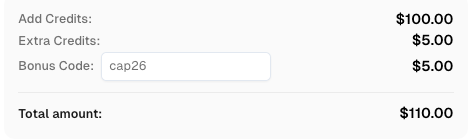
Use bonus code CAP26 when topping up your CapSolver account to get an extra 5% bonus on every recharge — with no limits.
Redeem it now in your CapSolver Dashboard
Compare normalized field values, not full HTML first. Assign severity by impact: an unexpected noindex or canonical change is critical; a punctuation-only title change may be informational. Validate structured data against the current Google structured-data guidance before classifying a regression.
Attach the deployment identifier and baseline version to every diff. This makes rollback and ownership clear.
The following Python function extracts a small set of high-impact fields from HTML already fetched by an authorized crawler. It deliberately separates extraction from networking so the same logic can be tested with saved fixtures.
from bs4 import BeautifulSoup
from urllib.parse import urljoin

def seo_snapshot(page_url: str, html: str, status_code: int) -> dict:
    soup = BeautifulSoup(html, "html.parser")

    def meta(name: str) -> str | None:
        tag = soup.find("meta", attrs={"name": name})
        return tag.get("content", "").strip() if tag else None

    canonical = soup.find("link", attrs={"rel": "canonical"})
    canonical_url = (
        urljoin(page_url, canonical.get("href"))
        if canonical and canonical.get("href")
        else None
    )
    title = soup.title.get_text(" ", strip=True) if soup.title else None

    return {
        "url": page_url,
        "status": status_code,
        "title": title,
        "description": meta("description"),
        "robots": meta("robots"),
        "canonical": canonical_url,
    }
Syntax-check the function and run fixture tests for missing tags, relative canonicals, duplicate descriptions, and non-200 responses. Add rendered DOM extraction only when client-side code changes the fields that search engines receive.
Compare named fields and attach severity rather than diffing raw HTML:
SEVERITY = {
    "status": "critical",
    "robots": "critical",
    "canonical": "critical",
    "title": "warning",
    "description": "warning",
}

def compare(baseline: dict, current: dict) -> list[dict]:
    changes = []
    for field, severity in SEVERITY.items():
        if baseline.get(field) != current.get(field):
            changes.append({
                "field": field,
                "severity": severity,
                "before": baseline.get(field),
                "after": current.get(field),
            })
    return changes
In production, redact or truncate unusually long values before logging. Group identical changes across templates so one deployment regression creates one incident, not thousands of alerts.
If an owned property unexpectedly presents Turnstile, first fix monitoring allowlists or staging configuration. When a documented CapSolver recovery path is explicitly approved, record challengeEncountered, task status, and final assertion without persisting the returned token. A failed recovery should produce blocked-by-challenge, never an assumed noindex or empty-title regression.
An alert should name the URL, field, baseline, observed value, first-seen time, and verification status. Suppress changes explicitly approved in the release manifest. Re-fetch once from a clean, authorized context before escalating.
Do not log CAPTCHA credentials or tokens. If a challenge blocks verification, label the alert blocked-by-challenge instead of guessing the page state.
Review critical alerts immediately, group template-wide changes, and close each event with cause and corrective action. Retain minimal evidence for the agreed period. Compare crawl data with first-party Search Console signals where appropriate, but do not treat rank movement as proof of a specific technical cause.
Use the CapSolver API guide only for the optional recovery adapter. The CapSolver blog and FAQ provide adjacent implementation context. On authorized properties, CapSolver can reduce manual interruption while the monitoring system preserves evidence and human review.
Q: What is the minimum useful SEO baseline?
Capture status, final URL, canonical, robots controls, title, description, structured-data types, and a normalized content hash.
Q: How often should the pipeline run?
Match frequency to deployment and business risk; critical templates need tighter checks than stable archive pages.
Q: Should the monitor automatically solve every challenge?
No. Prefer allowlisting or supported test configuration on properties you control, then use a bounded documented recovery step only when authorized.
Q: How do you reduce false alerts?
Normalize fields, suppress approved releases, group template changes, and verify critical diffs with a second fetch.
Q: Can a technical diff explain a ranking change?
Not by itself. Treat the diff as evidence to investigate alongside indexing and search-performance data.
Ethan Collins
AI Agent Workflow Engineer
Building clearer handoffs between AI agents and tools.
ABOUT THE AUTHOR
Learn scalable Rust web scraping architecture with reqwest, scraper, async scraping, headless browser scraping, proxy rotation, and compliant CAPTCHA handling.

Learn the best techniques to scrape job listings without getting blocked. Master Indeed scraping, Google Jobs API, and web scraping API with CapSolver.