Compare E-commerce Scraping Methods for Market Research: A Complete Guide

Ethan Collins
Pattern Recognition Specialist
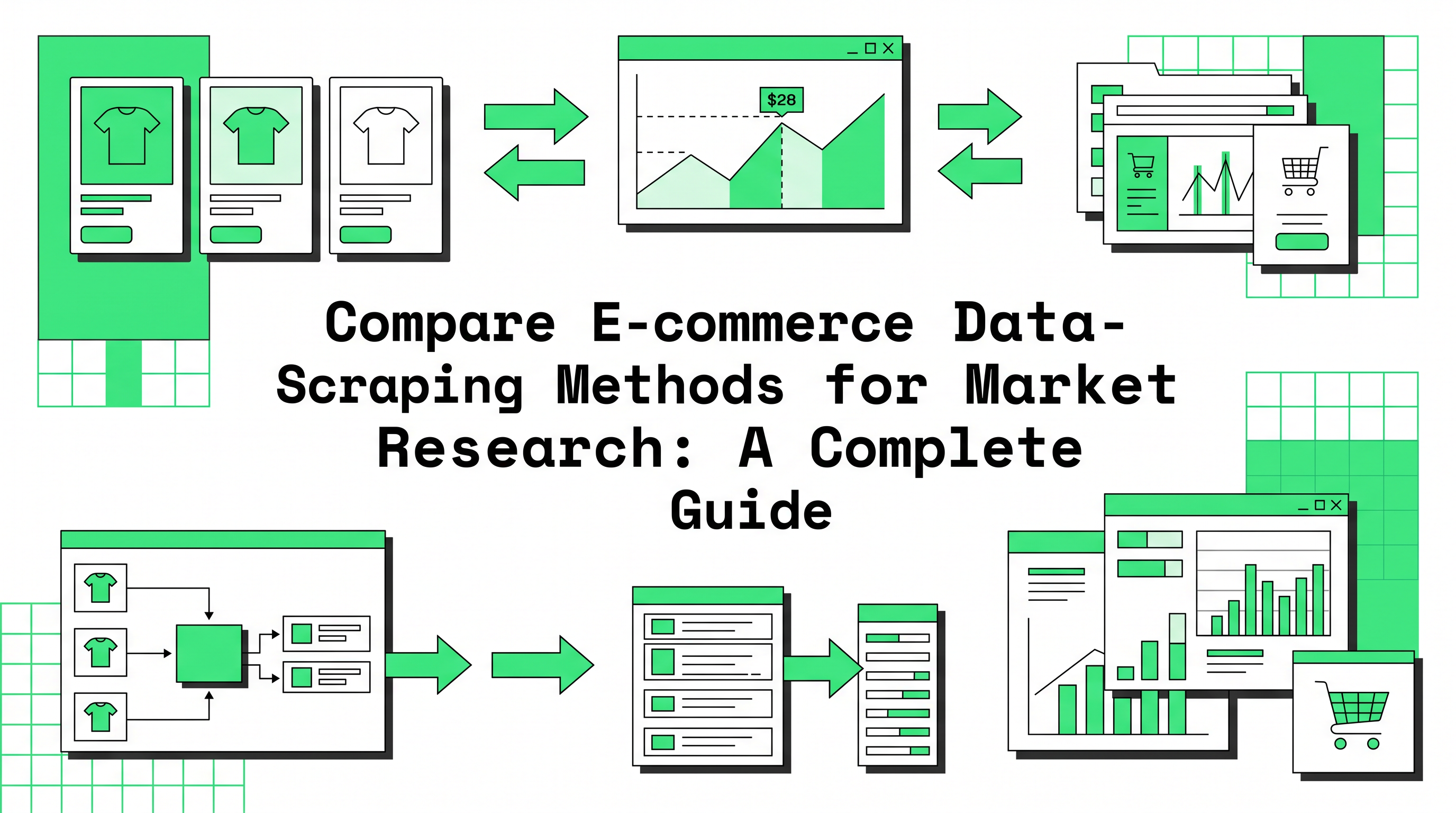
TL;DR: This article provides an in-depth comparison of common data scraping methods for e-commerce market research, including API-based scraping, browser automation, HTTP request scraping, and pre-built scraping services. It evaluates their pros and cons, costs, and use cases while highlighting the universal challenge of CAPTCHAs, recommending AI-powered solutions to ensure seamless data flow.
Market research demands reliable, large-scale data from e-commerce platforms. Whether you're tracking competitor pricing, monitoring product trends, or building training datasets for AI models, the method you choose directly impacts data quality, operational costs, and project sustainability. This article compares the most practical e-commerce scraping approaches available today, so you can make an informed decision for your specific use case.
Why E-commerce Scraping Matters for Market Research
What is E-Commerce Data Scraping? E-commerce platforms contain massive amounts of public data—product listings, pricing history, reviews, stock levels, and seller ratings—that drives strategic decisions. Manual collection is impractical at scale. Automated scraping enables researchers to:
- Monitor real-time pricing across multiple retailers
- Track product availability and demand shifts
- Build competitive intelligence dashboards
- Collect training data for machine learning applications
The global e-commerce market is expected to total $6.3 trillion in 2024 , with revenue projected to reach US$3.88 trillion in 2026 . The global web scraping market, which supports such data collection, was valued at $5.06 billion in 2023 and is projected to grow significantly. This highlights the critical role of efficient data extraction. However, e-commerce sites actively protect their data through bot detection systems, CAPTCHAs, and anti-scraping measures. Choosing the right scraping method determines whether you extract clean data or get blocked after a few requests.
Comparing E-commerce Scraping Methods
1. API-Based Scraping
What it is: Using official or unofficial APIs provided by e-commerce platforms to retrieve structured data directly.
Pros:
- Stable and reliable data access
- No risk of IP blocks or bot detection
- Structured data format (JSON/XML) requires minimal parsing
- Compliant with platform terms of service
Cons:
- Many platforms limit or charge for API access
- Rate limits restrict data volume
- Some valuable data (reviews, detailed specs) may not be available via API
- Premium API tiers can be expensive for large-scale research
Best for: Researchers with budget for official API access who need consistent, structured data feeds.
2. Browser Automation (Selenium, Playwright, Puppeteer)
What it is: Controlling a real browser programmatically to navigate websites, interact with elements, and extract rendered content.
Pros:
- Handles JavaScript-heavy pages and dynamic content
- Simulates real user behavior for better evasion
- Works with any website without API access
- Supports complex workflows (login, pagination, filtering)
Cons:
- High resource consumption (requires full browser instances)
- Slower than HTTP-based scraping
- Easily detected by advanced anti-bot systems without proper proxy rotation
- CAPTCHA challenges frequently interrupt automated sessions
Best for: Projects requiring interaction with complex e-commerce interfaces, login-protected areas, or JavaScript-rendered content.
3. HTTP Request Scraping (Requests, Scrapy, Aiohttp)
What it is: Sending raw HTTP requests to target servers to fetch HTML or JSON responses directly.
Pros:
- Extremely fast and lightweight
- Low infrastructure cost
- Full control over request headers and parameters
- Scalable with proper proxy management
- The web scraping market is projected to grow significantly, indicating increasing demand for efficient data collection methods like this.
Cons:
- Struggles with JavaScript-rendered content
- Easily blocked by anti-bot systems
- Requires constant maintenance as sites change structure
- High detection risk without residential proxies
Best for: High-volume data extraction from simpler e-commerce sites with minimal JavaScript dependencies.
4. Pre-built Scraping Services and APIs
What it is: Third-party platforms that handle infrastructure, proxy rotation, and anti-detection so you can focus on data extraction.
Pros:
- No infrastructure management required
- Built-in proxy rotation and CAPTCHA handling
- Handles scaling automatically
- Often includes data parsing and normalization
Cons:
- Ongoing subscription or per-request costs
- Less control over customization
- Data quality depends on service reliability
- Some services have limited target site support
Best for: Teams needing hands-off data collection without managing their own scraping infrastructure.
Key Factors When Choosing a Scraping Method
| Factor | API | Browser Automation | HTTP Scraping | Pre-built Services |
|---|---|---|---|---|
| Speed | Fast | Slow | Very Fast | Fast |
| Scalability | Limited by rate limits | Moderate | High | High |
| Maintenance | Low | Medium | High | Low |
| Cost | Variable (API fees) | Infrastructure | Proxy costs | Subscription |
| CAPTCHA Handling | Not needed | Manual required | Manual required | Usually included |
| JavaScript Rendering | N/A | Yes | No | Varies |
The CAPTCHA Challenge in E-commerce Scraping
Regardless of which scraping method you choose, CAPTCHAs remain a universal obstacle. E-commerce sites deploy CAPTCHAs—particularly reCAPTCHA v2/v3, and Cloudflare challenges—to prevent automated access. When your scraper encounters a CAPTCHA:
- Browser automation workflows stall until manual solving
- HTTP scrapers fail silently or return error pages
- API access may be blocked entirely
- Research timelines extend unpredictably
This is where automated CAPTCHA solving becomes essential. CapSolver provides an AI-powered CAPTCHA solving API that integrates with any scraping workflow, supporting reCAPTCHA v2/v3, Cloudflare Turnstile, AWS WAF, and Image-to-Text challenges. Response times as low as 0.2 seconds keep your data pipelines flowing without manual intervention.
How to Get Started
- Assess your data requirements — Define what data you need, update frequency, and scale.
- Choose your scraping method — Match the method to your technical capacity and budget.
- Integrate CAPTCHA solving — Add CapSolver's API to handle anti-bot challenges automatically.
- Set up monitoring — Track success rates, costs, and data quality over time.
Conclusion
No single scraping method fits every e-commerce research project. API access offers reliability but comes with costs and limitations. Browser automation provides flexibility but requires infrastructure management. HTTP scraping delivers speed but demands technical expertise and proxy infrastructure. Pre-built services reduce operational burden but add recurring costs.
The common thread across all methods? CAPTCHAs will appear, and how you handle them determines your project's success. CapSolver's AI-powered solving integrates seamlessly with browser automation tools like Playwright and Selenium, as well as custom HTTP scrapers, ensuring your data extraction remains uninterrupted.
Ready to streamline your e-commerce market research? Explore CapSolver's API documentation to see how automated CAPTCHA solving fits into your workflow.
FAQ
Q1: Why is data scraping necessary for e-commerce market research?
A1: E-commerce platforms contain massive amounts of public data such as product listings, pricing history, reviews, stock levels, and seller ratings. Collecting this data manually is impractical at scale. Automated scraping allows researchers to monitor prices in real-time, track product trends, build competitive intelligence dashboards, and collect training data for machine learning applications.
Q2: What are the pros and cons of API-based scraping?
A2: The advantages of API-based scraping include stable and reliable data access, no risk of IP blocks, and structured data formats that comply with platform terms. The disadvantages are that many platforms limit or charge for API access, have rate limits, and some valuable data may not be available via the API.
Q3: In which scenarios is browser automation scraping most suitable?
A3: Browser automation is best for scenarios requiring interaction with complex e-commerce interfaces, login-protected areas, or JavaScript-rendered content. It can simulate real user behavior and handle dynamic content, although it consumes more resources and is slower than other methods.
Q4: What is the difference between HTTP request scraping and pre-built scraping services?
A4: HTTP request scraping fetches HTML or JSON responses directly, making it fast and low-cost, but it struggles with JavaScript-rendered content and is easily blocked. Pre-built services are third-party platforms that handle infrastructure, proxy rotation, and anti-detection, allowing users to focus on data extraction at the cost of subscription fees and less customization.
Q5: How can one handle CAPTCHA challenges in e-commerce data scraping?
A5: CAPTCHAs are a universal obstacle in all scraping methods. Automated CAPTCHA solving solutions are essential, such as the AI-powered API provided by CapSolver, which integrates into any scraping workflow and supports various CAPTCHA types to ensure uninterrupted data extraction.
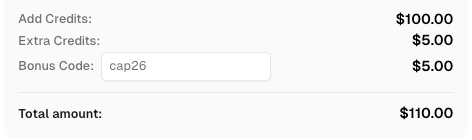
Redeem it now in your CapSolver Dashboard
More
Web ScrapingApr 22, 2026
Rust Web Scraping Architecture for Scalable Data Extraction
Learn scalable Rust web scraping architecture with reqwest, scraper, async scraping, headless browser scraping, proxy rotation, and compliant CAPTCHA handling.

Web ScrapingApr 17, 2026
How to Scrape Job Listings Without Getting Blocked
Learn the best techniques to scrape job listings without getting blocked. Master Indeed scraping, Google Jobs API, and web scraping API with CapSolver.